

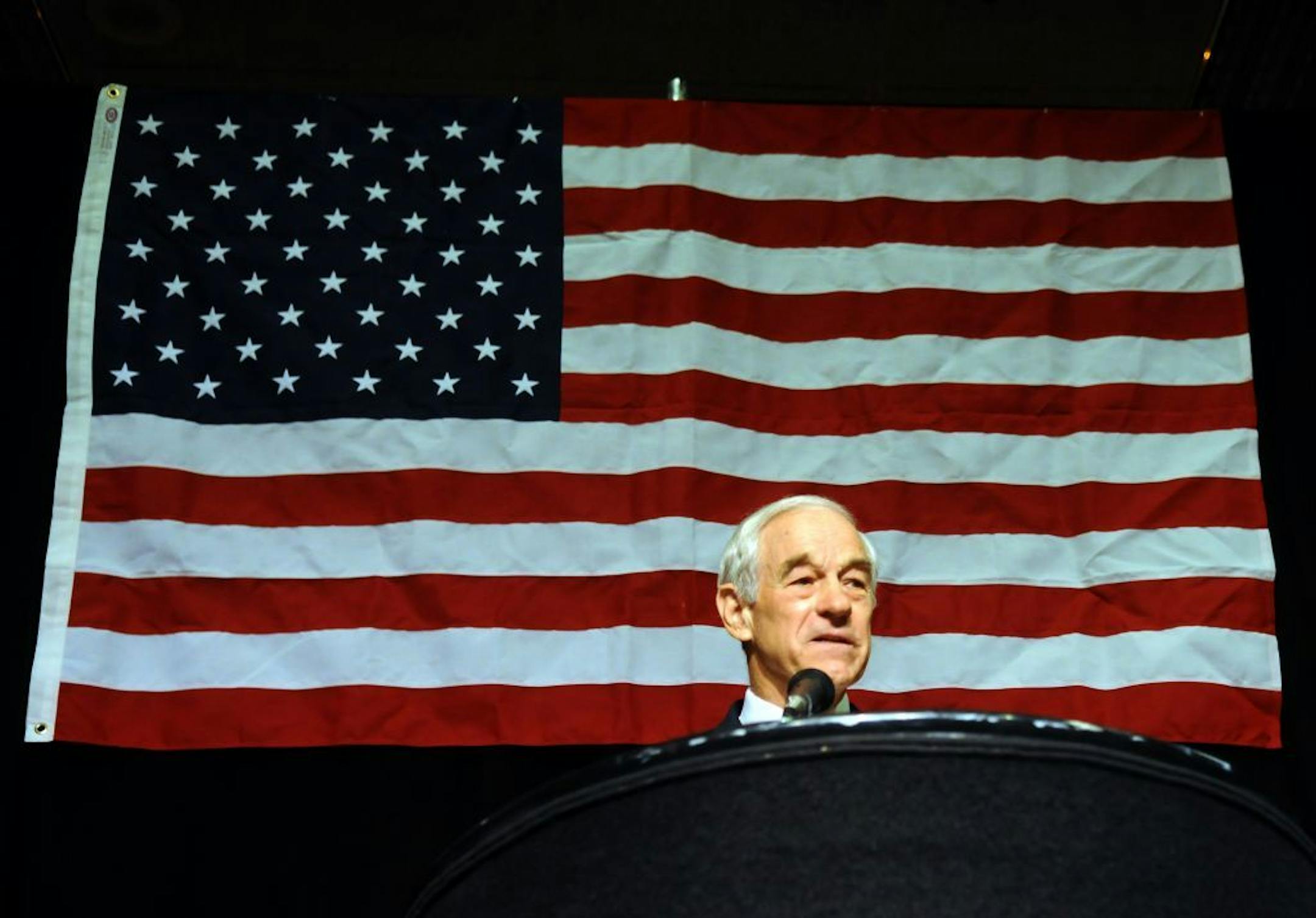
Counterpoint
After a lengthy analysis of the Ron Paul influence evident at the Minnesota GOP Convention May 18-19 in St. Cloud ("Libertarian surge remakes state GOP," May 20), the burning question for the Star Tribune Editorial Board was whether "a caucus-based political system that magnifies populist tides [and enabled Paul supporters to dominate the state convention] serves this state well."
Couple that with a harsher Washington Post piece published in full online ("The party of Ron Paul?" May 24) -- which labeled recently adopted planks in the Iowa Republican Party platform "wacky" and "nutty" and gleefully anticipated "a few highly visible fights" erupting over "Paulite positions in the national platform" -- and it's evident the Strib is a more than a little confused about what the Ron Paul revolution is all about.
Let me do what I can to clarify.
First, let's understand what a "movement" or a "revolution" is. All movements -- the Pat Robertson Republican coup in the 1980s, gay rights, women's suffrage, civil rights and, yes, the Ron Paul movement -- follow a common pattern.
Movements all begin at the margins with people who have little or nothing to lose. Unsuccessful movements never expand beyond the sloganeering fringe. Successful movements -- those with an intellectual and moral basis -- mature to attract a mainstream following.
The gay-rights movement is a great example. Shirtless hunks in leather tutus and motorcycling "Dykes on Bikes" are no longer the point of the gay-rights spear. It's the gay lawyer/gay accountant, lesbian legislator/lesbian physician -- same-sex couples with kids and fundamental concerns about faith, family and freedom -- who are now the face of the movement.
Focusing commentary on the remnants of the gay-rights fringe is something the media would never do. But focusing on the fringe of the Ron Paul movement is exactly what the Strib and WaPo commentaries actually do.


