
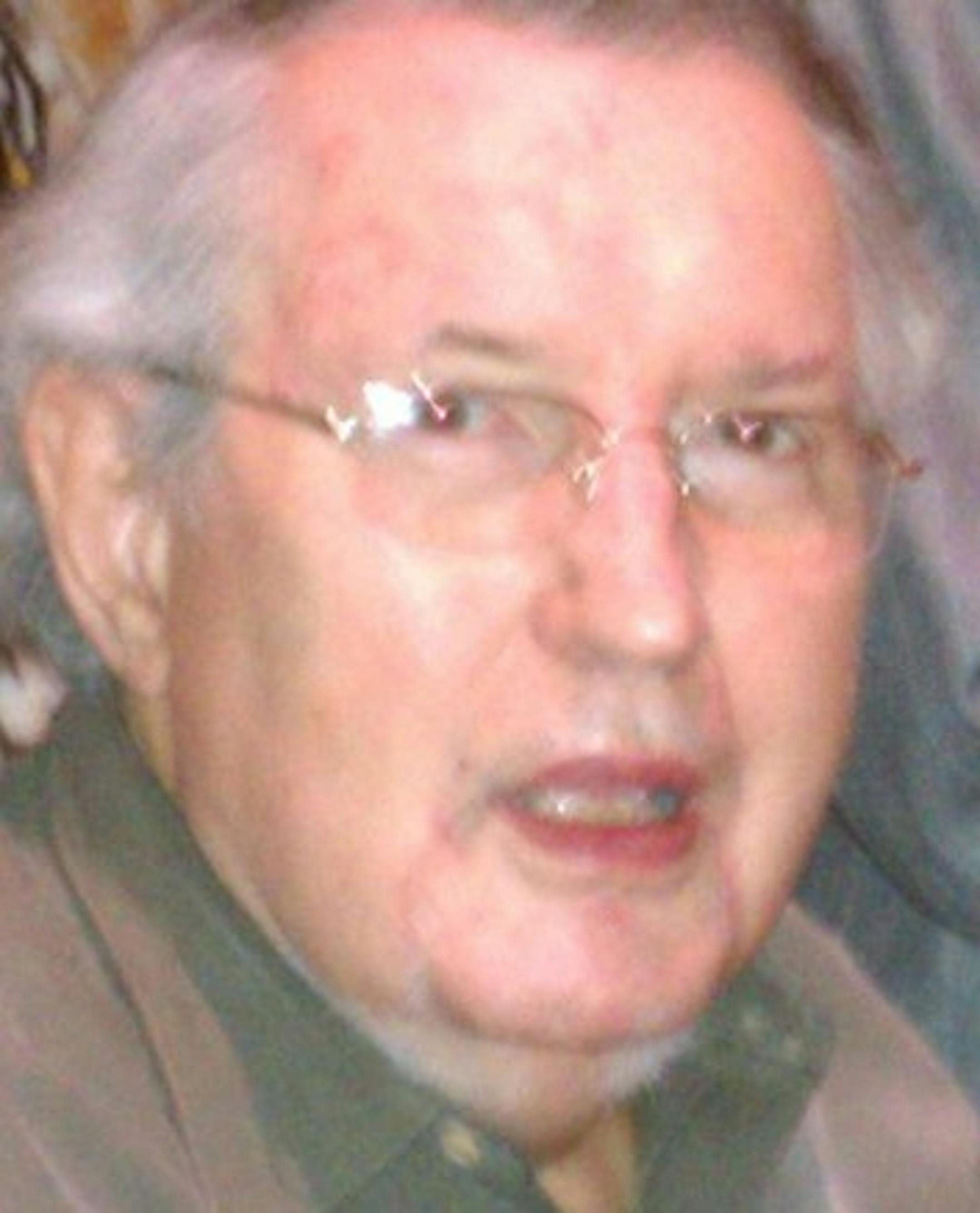
Robert Halfhill, Twin Cities gay activist and archivist, dies at 76

His death leaves few left who remember the early days of the Twin Cities movement.

April 22, 2017 at 12:19AM
Robert Halfhill, 76. died April 7, 2017
Halfhill (The Minnesota Star Tribune)

Robert Halfhill likely won't make it into the history books on the fight for gay rights. But those who stood on the front lines with him say the Minneapolis man was a persistent force in the Minnesota movement.

He not only helped to make history, he preserved it.

"Today's activists should be grateful that there were people like Bob around who were willing to slug it out without any particular personal motive," said longtime gay activist Tom Burke.

To those who knew Halfhill, his tirelessness could be sometimes exhausting. But he was integral to the gay rights movement as the steadfast foot soldier — the person you could count on to be there for a demonstration or a meeting.

"Bob would always be there," Burke said. "And if you wanted him to do something, he would do it." He was the note-taker, the detail-oriented person who became a group's secretary and treasurer. "These are the people who you rely on all the time."

Halfhill, who was 76 when he died April 7, grew up in Kentucky, where he was bullied for "appearing to be gay," said Douglas Benson, a longtime friend. Halfhill came out as gay in the 1960s after he moved to the Twin Cities.

He was a proud atheist and self-described political radical who marched for racial equality and protested the Vietnam War before taking to the front lines in the gay rights movement as Minneapolis emerged as a "hotbed of activism," said Phil Willkie, a longtime gay activist. "When you write the book about gay activism in Minneapolis, I think you can get it down to 20 people … and he was maybe in the top 10."

There were two camps during the early years, Willkie said. One group worked behind the scenes to quietly pass legislation; the other took to the streets, staged sit-ins and was arrested, he said.

Halfhill often moved between the groups, although he wasn't always appreciated.

"He was a very unusual guy," Willkie said. "But a lot of the early activists were very strange people. … We didn't fit into normal society, so we didn't have a lot to lose by fighting."

Halfhill's peculiarities made it difficult to know him, but friends of the chain-smoking loner appreciated his dry wit and accepted him for who he was.

"I was having a party at my house and Bob arrived 15 minutes early," Burke said. "I had to explain to Bob that a party wasn't like a meeting, where it was good to arrive early. He comprehended things in a different context."

With a Kentucky drawl, Halfhill was a deliberate, slow talker who could test people's patience.

"He had good things to say; it was just hard sometimes to listen to him," said Dean Amundson, who worked alongside Halfhill for ACT UP Minnesota. "He liked to cover all the points in one statement. He was never brief."

Halfhill, who ran unsuccessfully for city and state offices, was a prolific letter writer to newspapers and "anywhere he could get his opinion in," Amundson said.

He was just as diligent in collecting newspaper clips, documenting events and preserving the history of gay rights. The result was 44 boxes of material that he donated to the Jean-Nickolaus Tretter Collection in Gay, Lesbian, Bisexual and Transgender Studies at the University of Minnesota, said Lisa Vecoli, the collection's curator.

The boxes included a 500-page history about the fight for gay rights, "an unedited, unrefined, first-person narrative of that moment in time," Vecoli said. "It's in the raw form where you really see everything behind the scenes. It's a wonderful piece he contributed to Twin Cities history."

Halfhill's death leaves few left who remember those days. "He was one of the people at the very first Gay Pride march in '72," said Jean-Nickolaus Tretter, a gay community historian. "There were probably 40 or 50 of us. … Now there's only four or five of us still alive."

There are no funeral services planned.

about the writer

about the writer

Mary Lynn Smith

Reporter

Mary Lynn Smith is a general assignment reporter for the Star Tribune. She previously covered St. Paul City Hall and Ramsey County. Before that, she worked in Duluth where she covered local and state government and business. She frequently has written about the outdoors.

See Moreicon

More from No Section

See More
FILE -- A rent deposit slot at an apartment complex in Tucker, Ga., on July 21, 2020. As an eviction crisis has seemed increasingly likely this summer, everyone in the housing market has made the same plea to Washington: Send money — lots of it — that would keep renters in their homes and landlords afloat. (Melissa Golden/The New York Times) ORG XMIT: XNYT58
Melissa Golden/The New York Times

It’s too soon to tell how much the immigration crackdown is to blame.