Indian tribes have the right to legalize marijuana on their own lands, the federal government now says.
At least one Minnesota tribe may do just that.
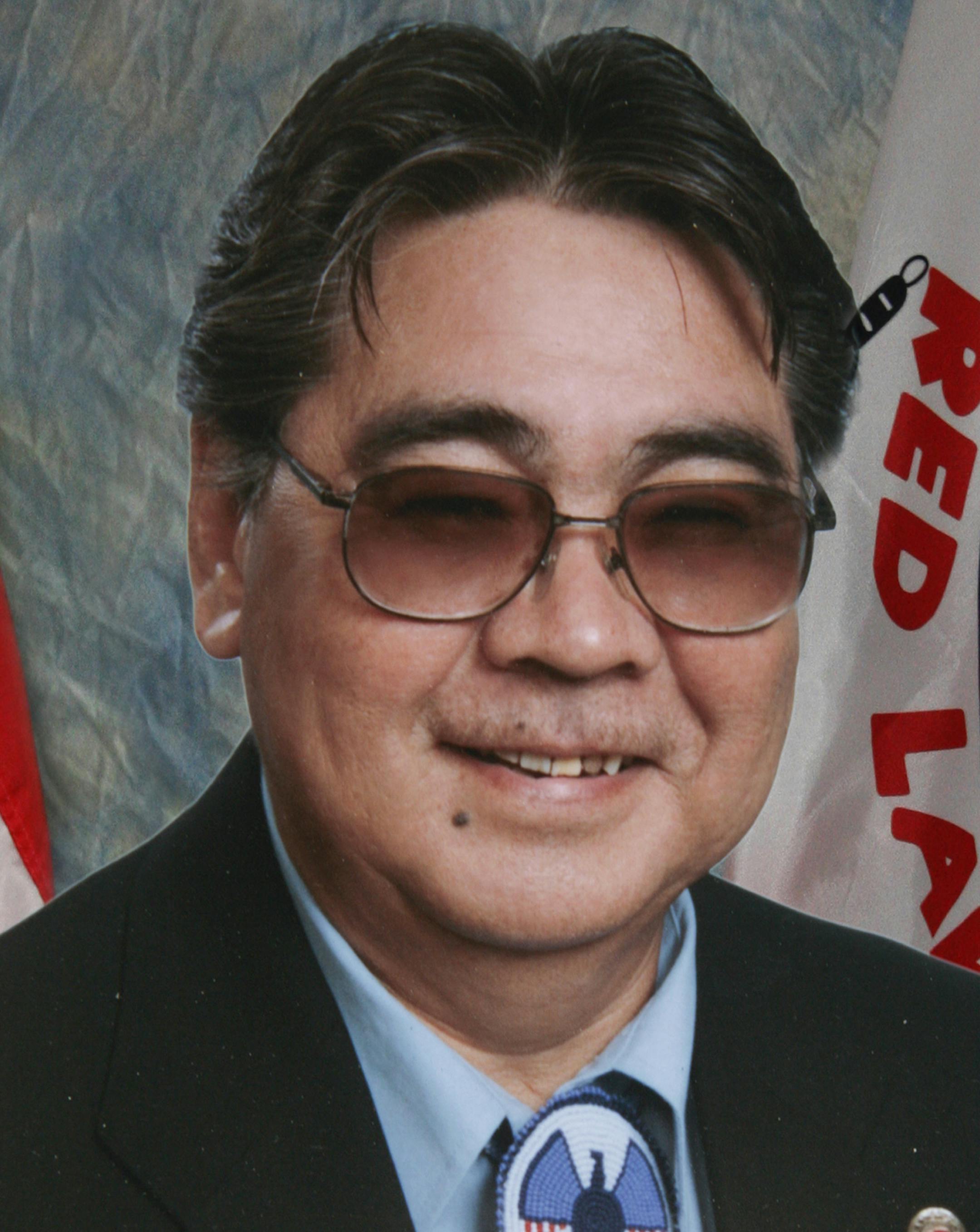
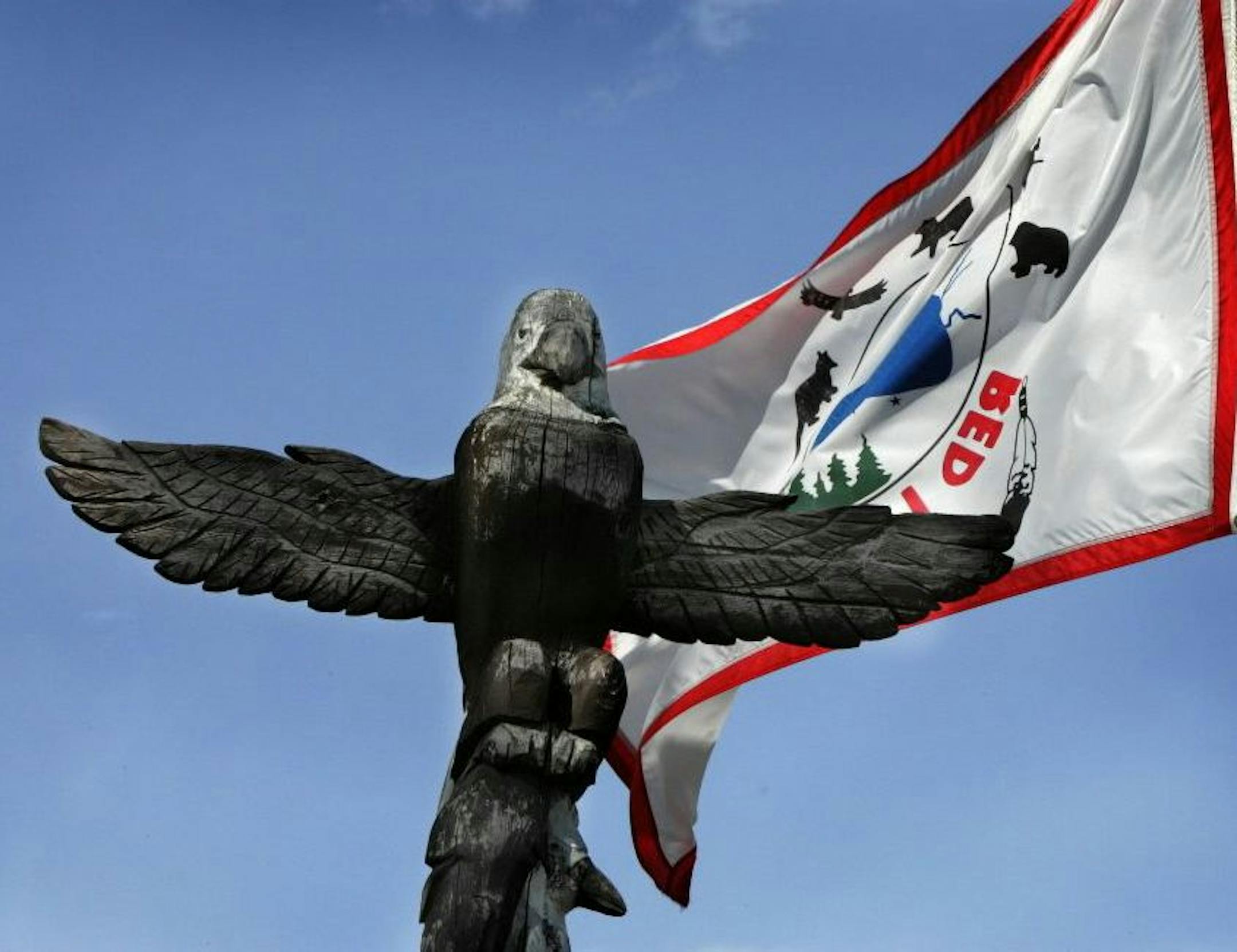
The Red Lake Band of Chippewa announced in January that it will study the idea legalizing medical marijuana and industrial hemp on the reservation north of Bemidji.
"Whatever we do, it will be done very carefully," Red Lake Chairman Darrell Seki Sr. announced after the Red Lake Tribal Council voted Jan. 13 to conduct a feasibility study into the economic benefits — and potential risks — of getting into the cannabis business. Seki will conduct a series of community meetings around the Red Lake Nation throughout February.
Medical marijuana will be legal in Minnesota starting July 1. But it will be a strictly limited and tightly controlled program. Only patients with certain medical conditions will be able to buy the drug, only in the form of a pill or a liquid, and only at one of eight dispensaries around the state.
Minnesota tribes would face no such restrictions if they decided to set up their own marijuana dispensaries. Late last year, the U.S. Department of Justice announced that Indian tribes — like the four states that have legalized recreational marijuana — are free to grow and sell marijuana on their reservations.
"They are their own jurisdiction and they can control what they do on their own land," said Assistant Health Commissioner Manny Munson-Regala, who is overseeing the rollout of the Minnesota Medical Cannabis Program.
The Health Department has reached out to Red Lake with an offer to share some of its own hard-earned insights about how to launch a medical marijuana program, Munson-Regala said. Just as the department turned to other states with medical marijuana programs to figure out such things as: how to evaluate the rival companies that want to grow and sell the drug, how to ensure the product is safe and the greenhouses and dispensaries are secure, and how to get the drug into the hands of patients while keeping it out of hands of kids.