

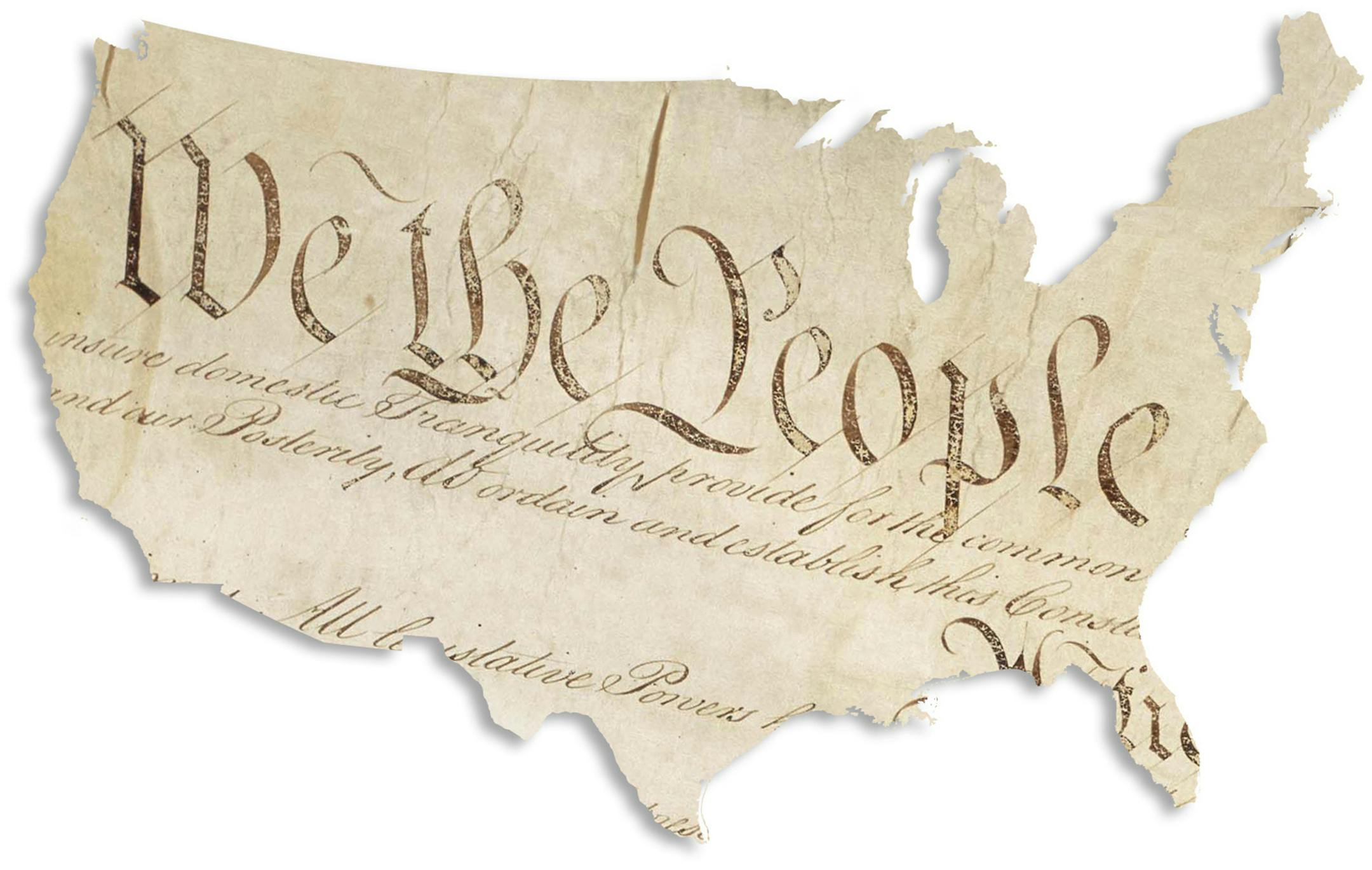
The June 17 commentary "The U.S. Constitution: If we were willing to redraft …" sent a chill down my spine. Our Constitution was written by many highly educated individuals and thinkers, living through much more dangerous times than today. The framers came from all walks of life and viewpoints to frame a document to last through the ages, not just a few applicable years. It was made difficult to change precisely because of the short-term, tunnel-vision focus exhibited by that commentary. I'll take the original version from the original drafters over any version written by an individual with limited experience and vision.
Marc Sullivan, Richfield
• • •
Edgar M. Morsman's proposal for changes to the Constitution form an excellent starting point for discussion. In the same spirit, I would like to offer the following commentary on his preamble on the purpose of government.
In his view, government is responsible for providing citizens with "quality education," "affordable health care" and a protected environment. I think these are commendable goals, except for one key point: Each goal is ultimately the domain of professionals. I would propose that in each case, elected officials may try to promote these goals, but they can succeed only if professionals show the way. Specifically:
1) The goal of providing everyone with "a quality education" will not have the same meaning for all citizens. Persons with remarkable musical talent or inventiveness or athleticism or manual dexterity may have little need for an advanced academic education. Educators, with the prompting of government, should lay out a plan for offering each person the optimum type and duration of education. If government funds are needed in the process, educators should quantify the needs and present them to government.
2) With hindsight, I would suggest that President Obama should perhaps have begun health care reform by assembling the leaders of the various medical associations, research hospitals, medical specialties, medical device companies and manufacturers of pharmaceuticals to spell out the needs. How can we reduce medical costs for everyone? What is the role of education and prevention? What about people who can't afford medical care, or who find the existing system inadequate for whatever reason? I would propose that the president should have said, in effect, "Fix it, because if you don't, government will be forced to do the job for you — and you won't like the results."
3). With similar hindsight, I would propose that government should not have needed to explain the science of climate change to the public. Neither government nor lobbyists are qualified to do that. Instead, the heads of professional associations in the various earth sciences should have been directed to explain the science to the public and answer any dissenting views. If the facts require government action, the professionals should have discussed the various alternatives.
Under such a focus, one effect would be to reduce the scope of government, not by ignoring problems but by directing them to the qualified people.


