

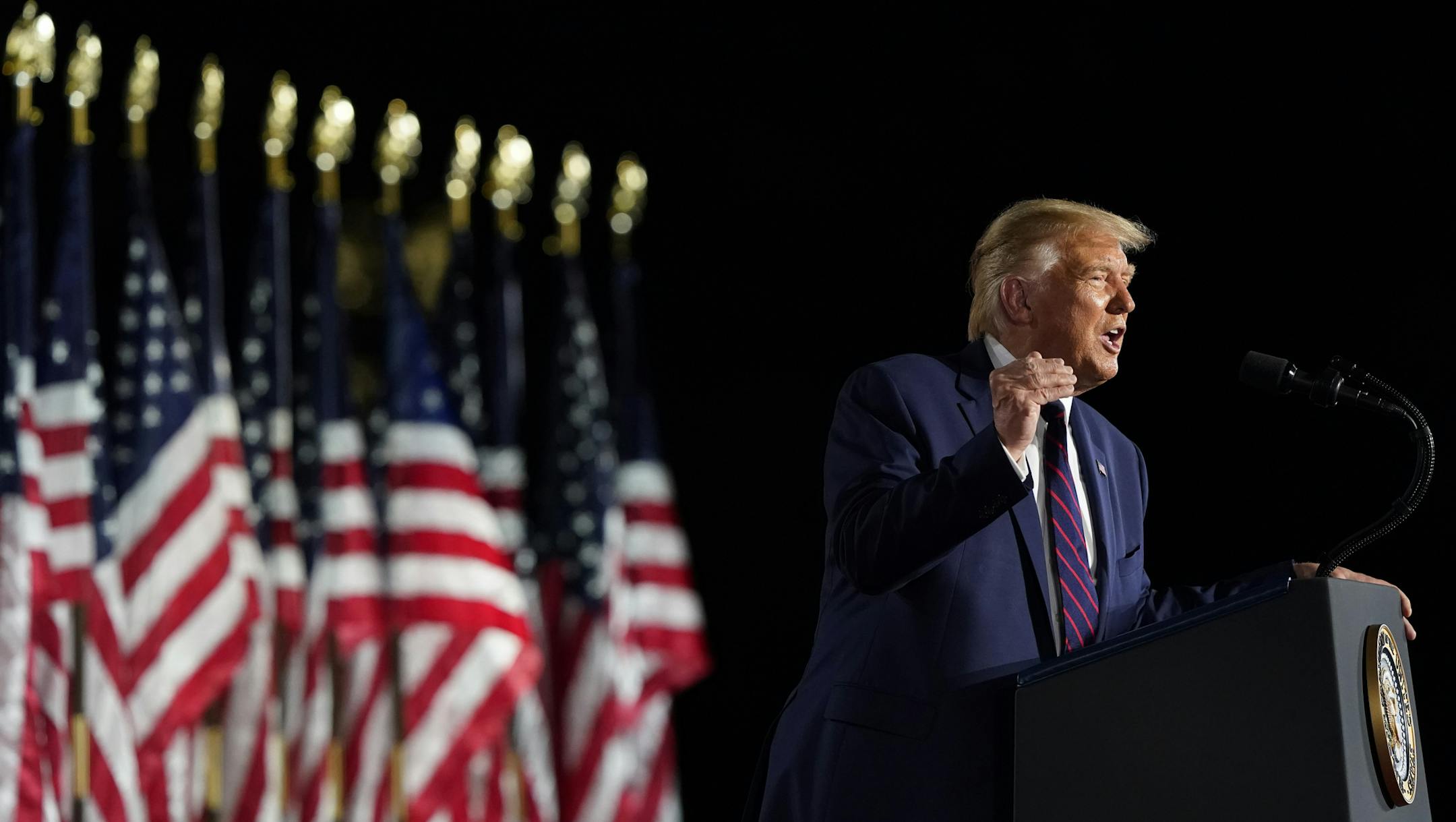
As "The Apprentice" was peaking in popularity in the mid-2000s, Donald Trump met with advertisers at an annual program development meeting in Los Angeles.
In introducing the show's star, an NBC executive told me and other media buyers (my pre-journalism job) that Trump was now so attuned to TV ratings that he was reading Daily Variety before the Wall Street Journal.
Trump did indeed learn how to read audiences. And in effect, how to read Americans — at least well enough to be elected president in 2016.
Whether he has as good a read on the country in 2020 won't be known until Election Day (or days, considering the delayed results many expect).
And whether the Democratic and Republican National Convention ratings reflect the country's response to the election is uncertain. Viewer interest may not match voter intent. But like public opinion polls, the DNC and RNC ratings show a lead for Joe Biden.
In fact, according to Nielsen ratings data of viewership over 13 cable and broadcast networks, for the four-day conventions more viewers watched the DNC than the RNC, and on the Thursdays when the two candidates spoke it was Biden with the win: About 24.6 million people tuned in the night of Biden's acceptance speech, compared with about 23.8 million who watched Thursday when Trump accepted the GOP nomination.
While both conventions were watched by fewer viewers than four years ago, when delegates gathered in person instead of virtually, the smaller audience belies the big interest in the election.
Viewers may not have been as compelled by conventions without the traditional trappings of frenzied (and at times fractious) delegates. Or it could confirm that Americans are so decided — and divided — that they just didn't want to watch the other side, let alone their party's presentation.


