

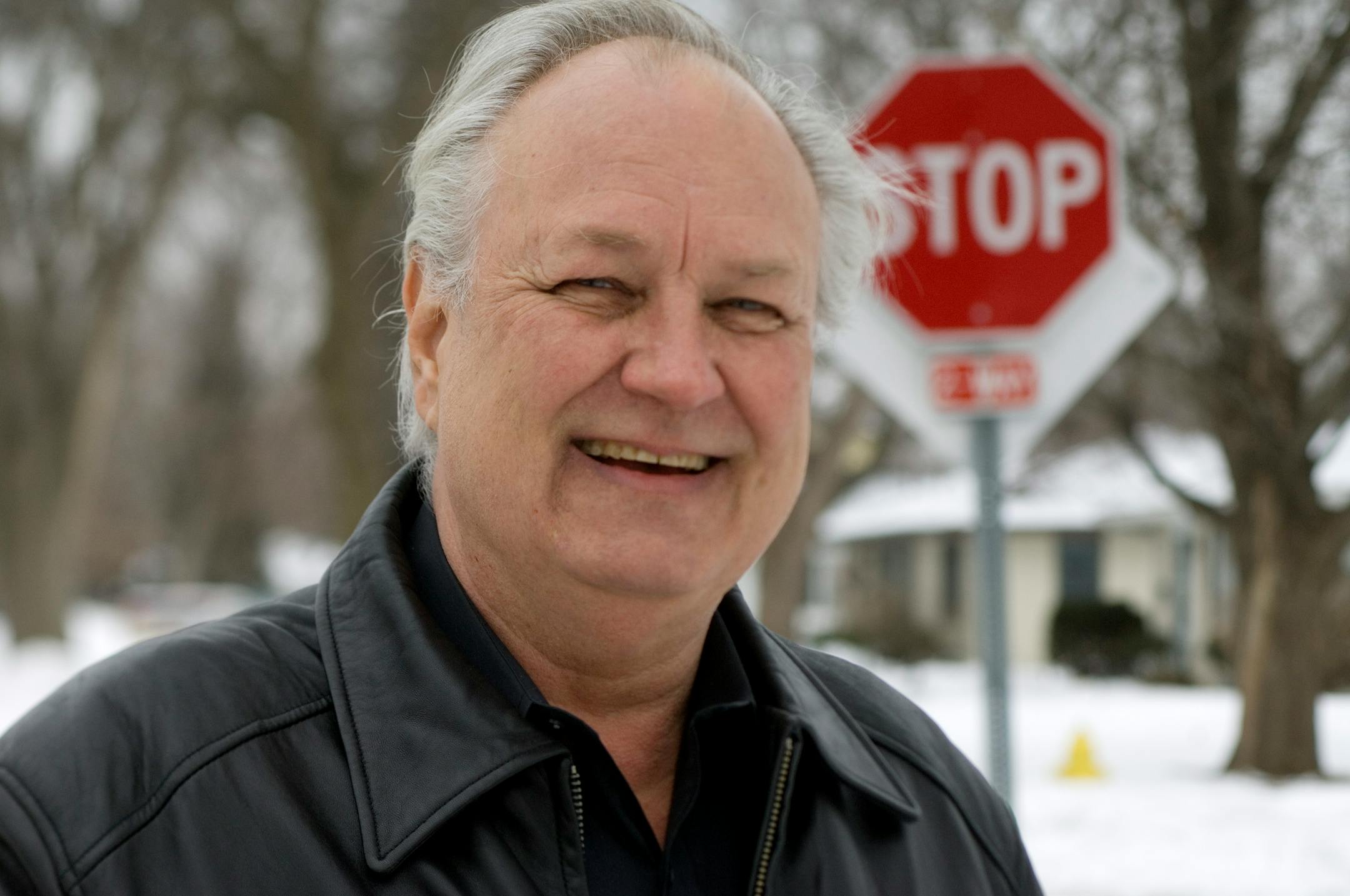
Before the city of Richfield agreed to put a stop sign at the end of Bill Kilian's block a few years ago, there were three car crashes at the intersection. In one, a car driven by a neighbor rolled on its side after being T-boned by an oncoming vehicle.
So the Richfield city councilman feels good about the council's decision earlier this month to add two-way stops to every uncontrolled intersection.
Richfield has 455 controlled intersections now, while 250 have no traffic light or stop sign. Those 250 will get two stop signs each within the next three years at a cost of $30,000. City officials are convinced it will reduce confusion and make the streets safer.
"People generally have been in favor of this ... but I still have people who say, 'I don't want any stop signs, period,'" Kilian said. "They say people roll through them, don't stop, they don't slow down." But, he said, "I think we will have fewer accidents."
Richfield's decision is unusual, said Lars Impola, a district traffic engineer with the Minnesota Department of Transportation. Based on the e-mail chatter he sees from traffic engineers in cities locally and nationally, he said, more cities seem to be removing stop signs.
But Richfield officials think they're on the right track to improving safety and traffic flow.
A U-turn in policy
City transportation engineer Tom Foley admitted that the project is an about-face.


