
Oil, electrical use decreases slowed industrial production in March

The Federal Reserve report was weaker than analysts expected.

April 16, 2015 at 4:01AM
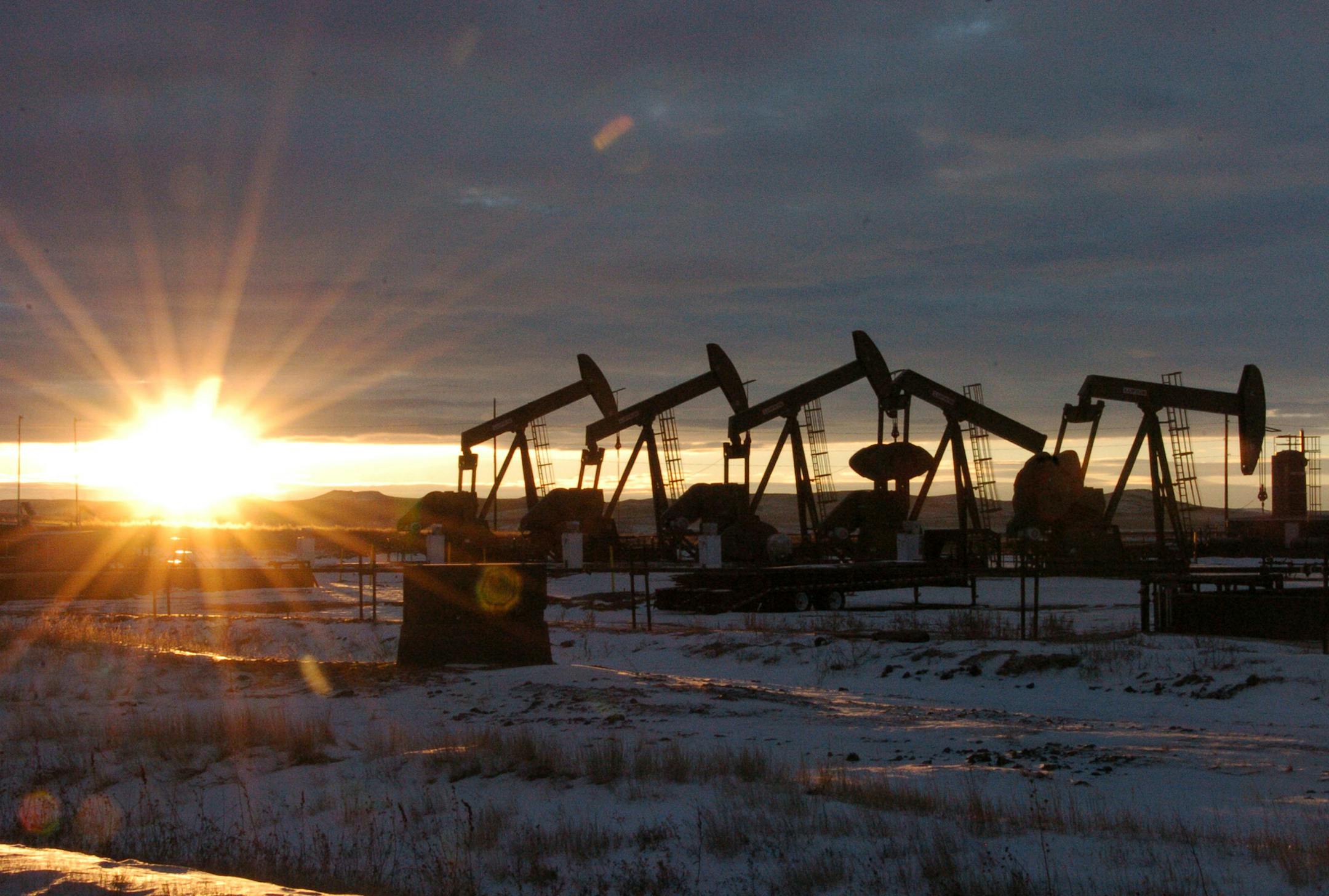
FILE - In this Jan. 14, 2015 file photo, some of the 60 rigs that are drilling surrounding McKenzie County, 40 percent of the rigs statewide, work in western North Dakota. The recent surge in oil production, from roughly 5 million barrels a day in 2008 to 8.9 million barrels in 2014, has led to more than 11,600 miles of crude oil pipeline being added to the domestic oil network, increasing the size by almost a quarter. (AP Photo/Matthew Brown, File)
FILE - In this Jan. 14, 2015 file photo, some of the 60 rigs that are drilling surrounding McKenzie County, 40 percent of the rigs statewide, work in western North Dakota. (The Minnesota Star Tribune)

U.S. industrial production fell in March as electrical usage plummeted nationwide and drilling and mining slowed in the wake of falling prices and enhanced global competition, according to a Federal Reserve report released Wednesday.

The report, which showed that production fell 0.6 percent, was weaker than analysts expected. Several economists said it was proof that the U.S. economy — and manufacturing specifically — is beginning to slow down.

"The March consensus call was for a 0.3 percent decline in industrial production, so the March data was weaker than expectations," said Ward McCarthy, chief financial economist with Jefferies & Co. Inc.

The report echoes reports issued earlier this month that indicated a slowdown in Minnesota and Midwest factories, particularly in ore mining, oil drilling, exports and employment.

The Fed's monthly industrial production report reflects the inflation-adjusted output of U.S. manufacturing, mining and gas and electric utilities. The sectors' combined drop in March followed a 0.1 percent increase in February and contributed to the first quarterly decline since the second quarter of 2009.

First quarter production fell 1 percent amid cutbacks in oil and gas drilling and lower manufacturing production. March was particularly hurt by declines in the output of natural gas and electric output.

Companies with Minnesota operations such as Pentair, Fastenal and U.S. Steel have pointed to the same weaknesses in the economy as the Federal Reserve report. Plummeting oil prices, unrelenting East Coast storms and brutal West Coast shipping problems all contributed to challenges for the companies.

Local factories also battled the strong U.S. dollar that makes American goods more expensive overseas and are adjusting to slower economic growth in parts of Europe, Japan and China.

"The short-term outlook for manufacturing is murky. Spring weather might strengthen domestic U.S. demand as meteorological patterns have been outside of seasonal norms. But an array of global challenges creates a downside risk for even moderate manufacturing performance," said Cliff Waldman, chief economist of the Manufacturers Alliance for Productivity and Innovation.

When segregated from the ailing utilities and mining sectors, U.S. manufacturing output in March actually rose 0.1 percent. That gain was attributed to stellar auto production rates and helped mark the first monthly uptick since November.

Several Minnesota factories surprised state officials in March and April with news of expansions despite the series of gloomy economic reports. Ziegler Caterpillar is expanding in Wilmar; Andersen Corp. is expanding in Bayport, North Branch and Cottage Grove; and ATV manufacturer Arctic Cat wants to expand in Thief River Falls.

Dee DePass • 612-673-7725

about the writer

about the writer

Dee DePass

Reporter

Dee DePass is an award-winning business reporter covering Minnesota small businesses for the Minnesota Star Tribune. She previously covered commercial real estate, manufacturing, the economy, workplace issues and banking.

See Moreicon

More from Business

See More
card image
Fairview Health Services

The school is changing an elective course while still working with the Eden Prairie-based health care giant after students raised concerns.

This transmission electron microscope image shows SARS-CoV-2, the virus that causes COVID-19, isolated from a patient in the U.S., emerging from the surface of cells cultured in the lab. (NIAID/TNS) ORG XMIT: 1659810
card image