

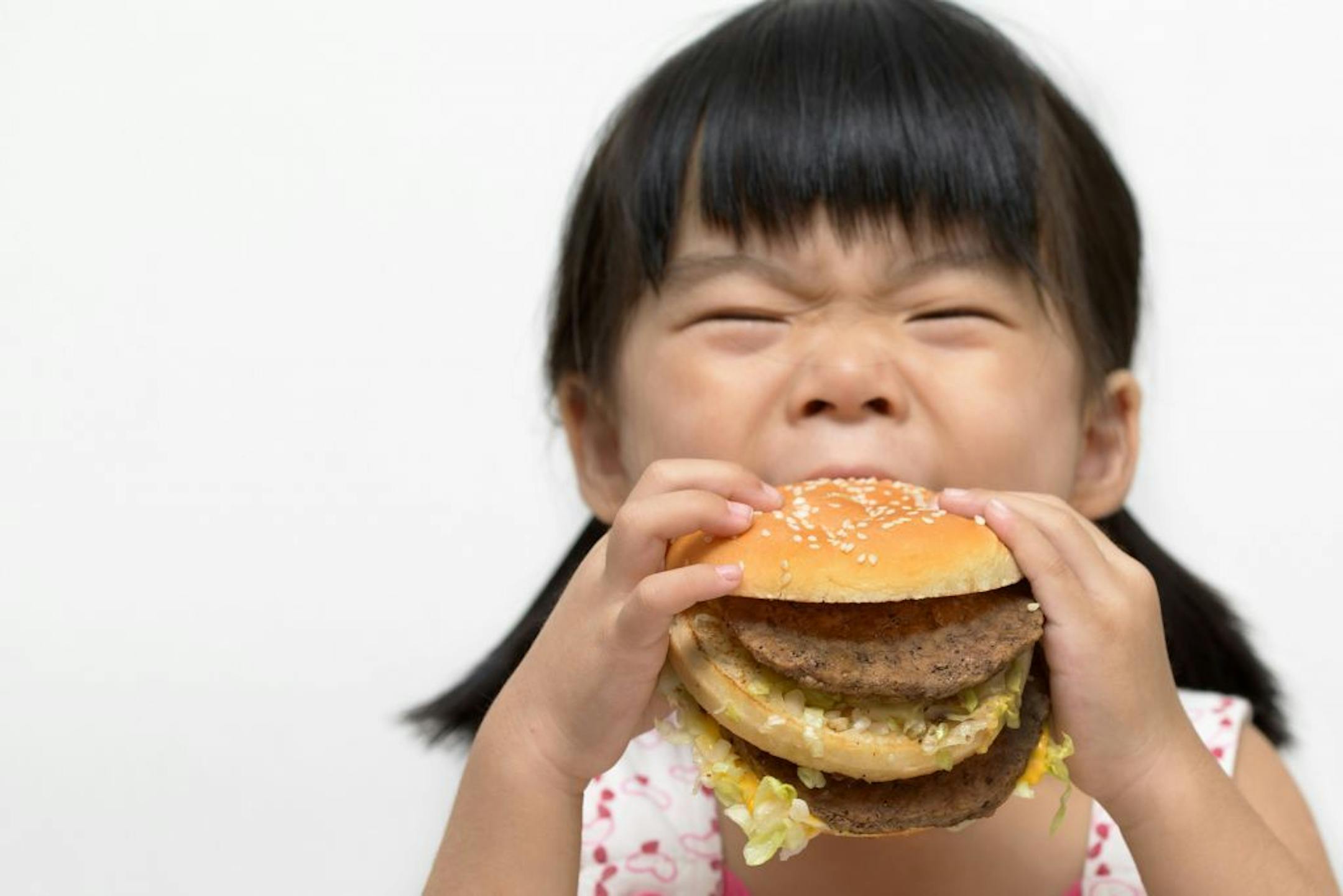
Once seen only among an older population, adult diseases such as fatty liver disease, hypertension and osteoporosis are being diagnosed more and more in children. And you can add to that sleep apnea, Type 2 diabetes and high cholesterol levels. The culprits? Unhealthy diets and growing waistlines, experts say.
Recognizing obesity early and appreciating the cardiovascular decline it can pose for young children has become so important that the American Academy of Pediatrics established guidelines and recommendations for pediatricians, typically not accustomed to seeing the resulting cascade of health issues in their patients.
"Several studies have shown that obesity is underrecognized by parents as well as by physicians," said Dr. Seema Kumar, pediatric endocrinologist at the Mayo Clinic Children's Center. "Parents in general tend to think they will outgrow it. … It also depends on the ethnic group they're coming from. In some cultures, being overweight is actually a sign of prosperity. So they may actually not even consider that as a problem."
Kumar's observations ring true with a study by the New York University Langone Medical Center that was published online in the journal Childhood Obesity. While rates of childhood obesity have risen over the past several decades, the study showed, a vast majority of parents perceive their kids as "about the right weight."
The researchers also compared these 2012 survey results with those from a similar survey in 1994. Not only were the children in the recent survey significantly heavier, but the likelihood that parents could identify their child's weight accurately had declined about 30 percent. Dr. David Katz, the director of Yale's Prevention Research Center, has coined a word for the problem: "oblivobesity."
"Parents cannot ignore the threat of obesity to our children and still hope to fix it," he wrote in an editorial accompanying the new study.
One reason parents may have difficulty perceiving their child's weight is because of the "new normal": Children are generally becoming heavier. But Katz also cited parents for "willful, genuine denial."
Dr. James J. Maciejko, a lipidologist and director of the Adult and Pediatric Lipid Clinics at St. John Hospital in Detroit, is concerned by how few Americans in general understand the grave dangers of overeating. Maciejko sees kids eating 3,000 calories a day and reminds them and their parents that young bodies cannot handle that load. In general, he said, prepubescent children should be consuming about 2,000 calories per day; if they are quite active, maybe 200 to 300 calories more. After puberty, most boys should consume about 2,000 calories a day and girls about 1,500 to 1,600 daily. Why? Here's the list:


