Editor's note: This is one in an occasional series of stories called First Person, with contributions from readers and Star Tribune staff members.
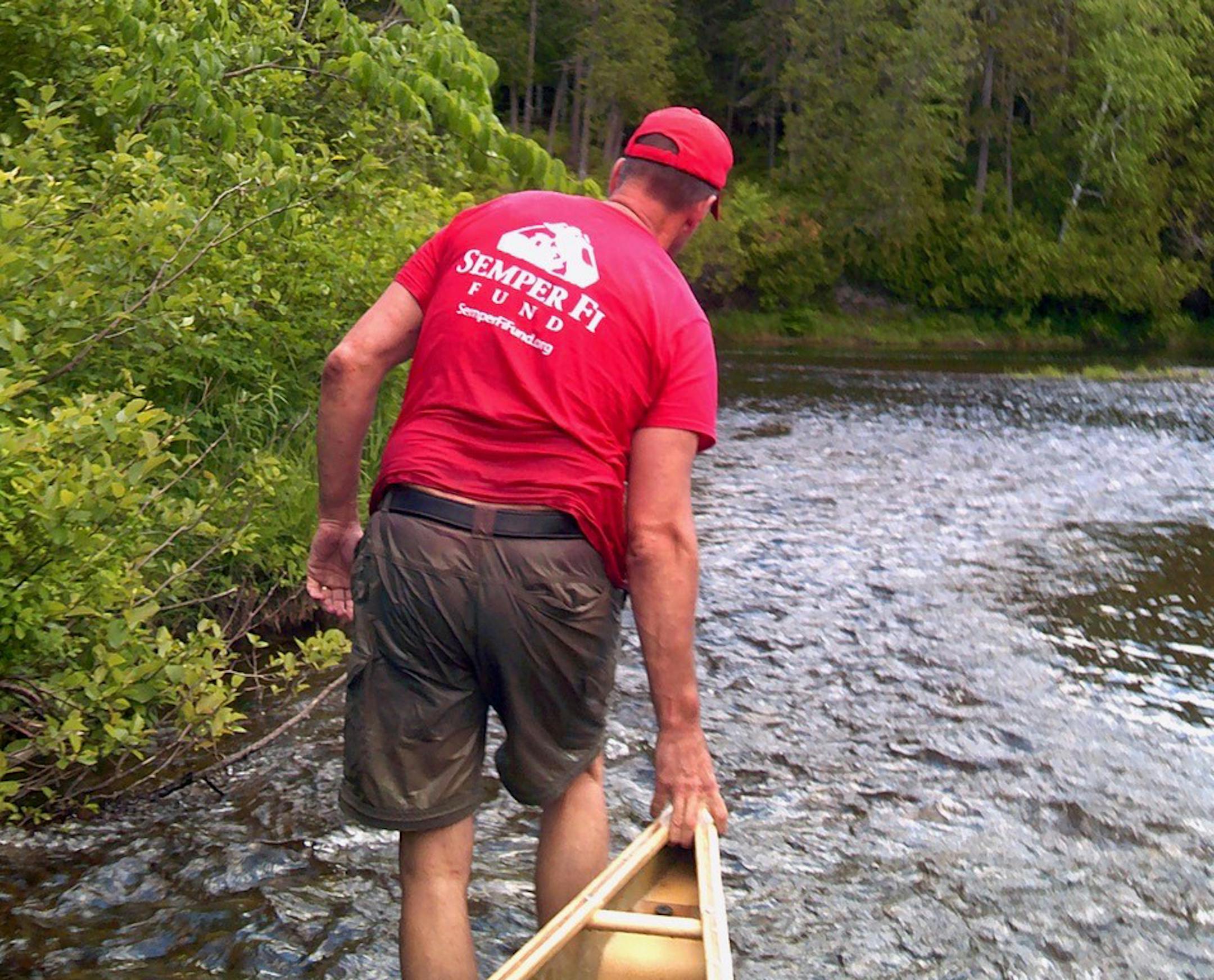
There we were, bearing down, gritting our teeth and paddling as hard as we could on the Aroostook River in northern Maine. My brother-in-law and I were both experienced paddlers in the Boundary Waters Canoe Area Wilderness (BWCA) and Quetico Provincial Park, but that was irrelevant. The shore of the river was not moving. We weren't either, and would soon be going backward. "Get out" was a near-simultaneous refrain. We needed to drag our canoe upstream until we found calmer waters.
If we did this once, we must have done it a hundred times during the duration of our five-day adventure. We were canoeing more than 63 miles round trip up the Aroostook River from Oxbow, Maine, to Munsungan Stream. The final destination was Munsungan and Chase lakes. We returned using the same route, and I finished the adventure with a hike of more than 46 miles back down to Island Falls, Maine. We saw no one canoeing the river or stream the entire trip for good reason: The locals likely knew how terrible and arduous the circumstances.
Quite simply, it was the most challenging canoeing conditions I'd experienced. Why go against the flow? There was really only one reason: because that's what Theodore Roosevelt did.
Our paramount mission was to retrace the experiences of Roosevelt around Island Falls, during his summer of 1879. Doing so is part of my broader mission to study the terrain of Roosevelt and retrace many of his primary adventures. I already have completed treks in the White Mountains and the Dakotas (Roosevelt's Dakota Territory). Adventures to come include the Adirondacks, Oyster Bay (N.Y.), the Matterhorn, Cuba, Africa and Brazil. "TR" preached what he called "the strenuous life, the life of toil and effort, of labor and strife," which often manifested itself in extreme physical activity and helped to form the grit and leadership of one of our nation's greatest presidents. I'm seeking, through self-discovery, to better understand this "terrain" development and identify the lessons to take forward.
I have this opportunity because I'm in transition professionally. I decided to take the summer off to jump-start this project, spend time with family and friends, and also begin forming my own strategy and leadership development firm. I also want to raise awareness and money for the Semper Fi Fund, which helps wounded and ailing servicemen and women, and call attention to the Campaign to Save the Boundary Waters. TR was awarded the Medal of Honor and helped to create our National Park system as our president from 1901-1909. He understood the importance of taking care of our service members and preserving the environment for future generations. We should do the same.
Big impact
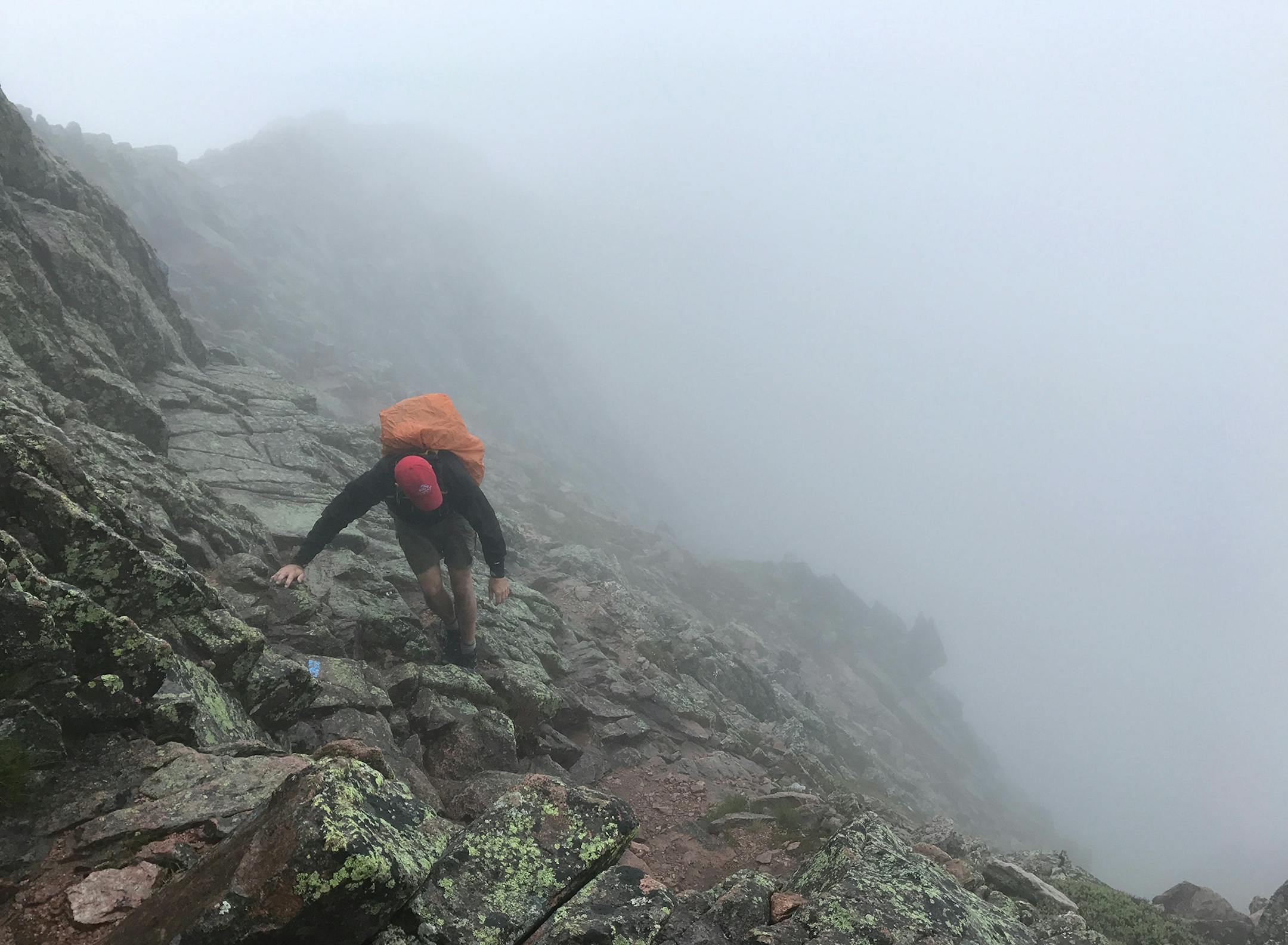
Our specific Maine adventures in June 2017 included summiting Mount Katahdin, canoeing to Munsungan Lake and spending some time on Mattawamkeag Lake on the outskirts of Island Falls. My son, Jeb, 19, and I reached the summit of Katahdin; for the Musungan and Mattawamkeag portions, my companion was my brother-in-law, Gerard Madden, who is an avid outdoorsman and retired Maine state trooper.
TR had been to Maine many times, but it was this trip in the summer of 1879 that was the most defining for him and likely had the biggest impact. At the time, he was 20 and had just completed his junior year at Harvard. He wanted time in the outdoors. His guide was William W. (Bill) Sewall, who ultimately became his mentor and lifelong friend. We stayed in same house as TR in Island Falls, called the Sewall House, which acted as our base of operations in between segments of the trip. (It is now a yoga retreat owned and operated by Sewall's great-granddaughter.) It was awe-inspiring to prepare and rest in the same confines.