Endless Poetry
⋆⋆⋆½ out of four stars
Unrated by the MPAA. Nudity and sex. In subtitled Spanish.
Theater: Lagoon
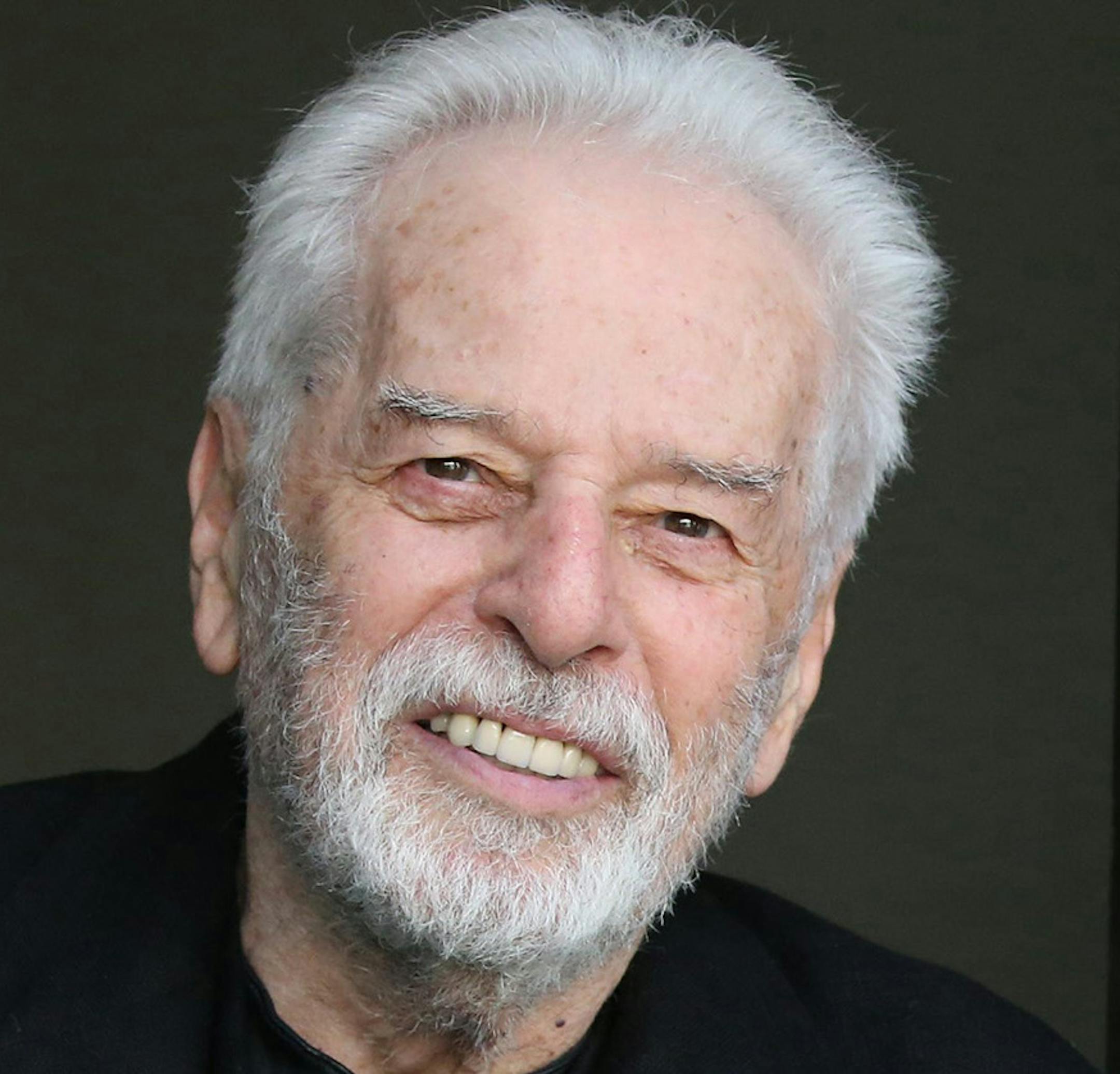
A master of midnight cinema in the '70s with marvelous psychedelic blockbusters including "El Topo" and "The Holy Mountain," Chilean director/actor/author Alejandro Jodorowsky may be the only cinema visionary more lively and eccentric than David Lynch. His latest film, the dreamlike, surreal autobiography "Endless Poetry," lives up to its title. At 88, Jodorowsky is still unfolding artistic flourishes as if he were a magician with an endless supply of rabbits in his top hat. It feels sometimes like a soulful ballad, at other moments like funny doggerel, and always like Fellini at his most spectacular and colorful.
The new film is another chapter of the uproariously unruly life story he introduced in 2013's "The Dance of Reality," which followed young Alejandro from childhood to early adolescence in the Chilean seaside town of Tocopilla. Moving into the 1950s and '60s here, things have changed (the nation's reactionary Ibáñez dictatorship has simmered down) and stayed the same (Alejandro's kin are still world-class eccentrics).
As before, the protagonist moves through an abstract family mythology where father (Jodorowsky's son Brontis) is a relentless bully, and while mother (opera star Pamela Flores) sings her dialogue in golden soprano tones she is clearly the diva of her exclusive solo opera.
This time, Jodorowsky's youngest son Adán plays the main character, with every bit of his bloodline's handsome looks and performing energy. Alejandro is an odd artistic duck. He regularly slips away from home to become a poet in secret, and also to connect with a busty, Wagnerian poetess who could become his muse — or more. But Father will have none of that. He insists that his son become a doctor and rise above his own limited status as a haberdasher.
In Jodorowsky's signature style, the screen is packed with bizarre minor characters who could occupy separate films of their own, and no opportunity to launch a ribald love scene is ignored. Much of the story is told in theatrical artifice, with black-clad stagehands unrolling huge sheets of graphic backgrounds and delivering props to the players. They are truly special effects, their frank fakeness much superior to everyday computerized illusions. Joining his sons on-screen, Jodorowsky appears as himself now, explaining what the turmoil of the moment means to him from the perspective of age. It's a flourish of magical realism perfectly suited to a wise, silly film of exhilarating beauty.