Microsoft's Satya Nadella must be wondering what more he has to do to impress China's leadership.
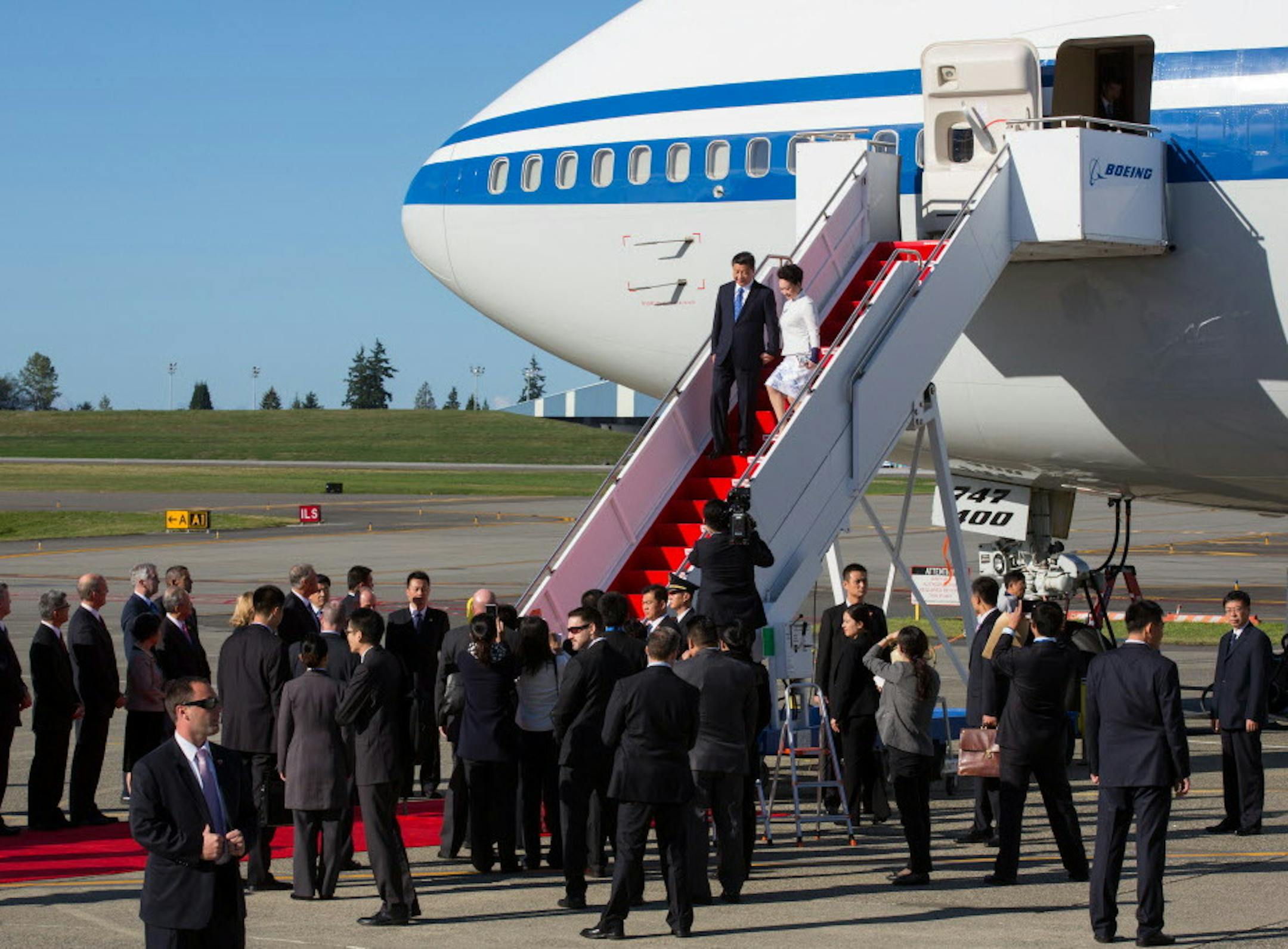
Nadella and his predecessors have done quite a bit already. Back in September, for example, Nadella not only played host to Chinese President Xi Jinping and his chief Internet censor at Microsoft headquarters near Seattle, but established a partnership to customize Windows with a state-owned defense contractor once called "the hi-tech heart of China's military."
Rather than giving thanks for Nadella's efforts, China announced last week that it was doubling down on a 2014 antimonopoly investigation into the company.
The actual charges are vague — state media claimed that Microsoft had caused "incompatibility problems" by not fully disclosing unspecified information related to Windows — but the import of the charges isn't. More than 20 years after entering China, Microsoft has earned little but suspicion for its efforts to play ball with the government. For U.S. tech companies with similar ambitions, Microsoft should serve as a cautionary tale.
This wasn't how it was supposed to work out.
In 2007, Bill Gates told Fortune that he expected China to be Microsoft's biggest market, "though it might take 10 years." The comments came during a visit to Beijing, during which Gates was given an honorary degree from Tsinghua University (only the 13th granted in the school's then 82-year history) and visited with four members of China's Politburo. A year earlier, then-Chinese President Hu Jintao, during a visit to Gates' Seattle compound, told the software magnate that he used Microsoft's software every day.
It must have felt like the company had turned the corner on the ugly early days of its operations in China. When Microsoft officially entered China in 1992, Windows and Office were already dominant. However, thanks to piracy (copies of Windows cost around $1 in most big cities during the early 2000s) and the government's unwillingness to crack down, the company wasn't making money on its market share.
So Microsoft took the nonsensical approach of suing Chinese firms violating its intellectual property — and lost. Meanwhile, it tried to sell full-priced software in a country where a legit copy of Windows exceeded many monthly wages.