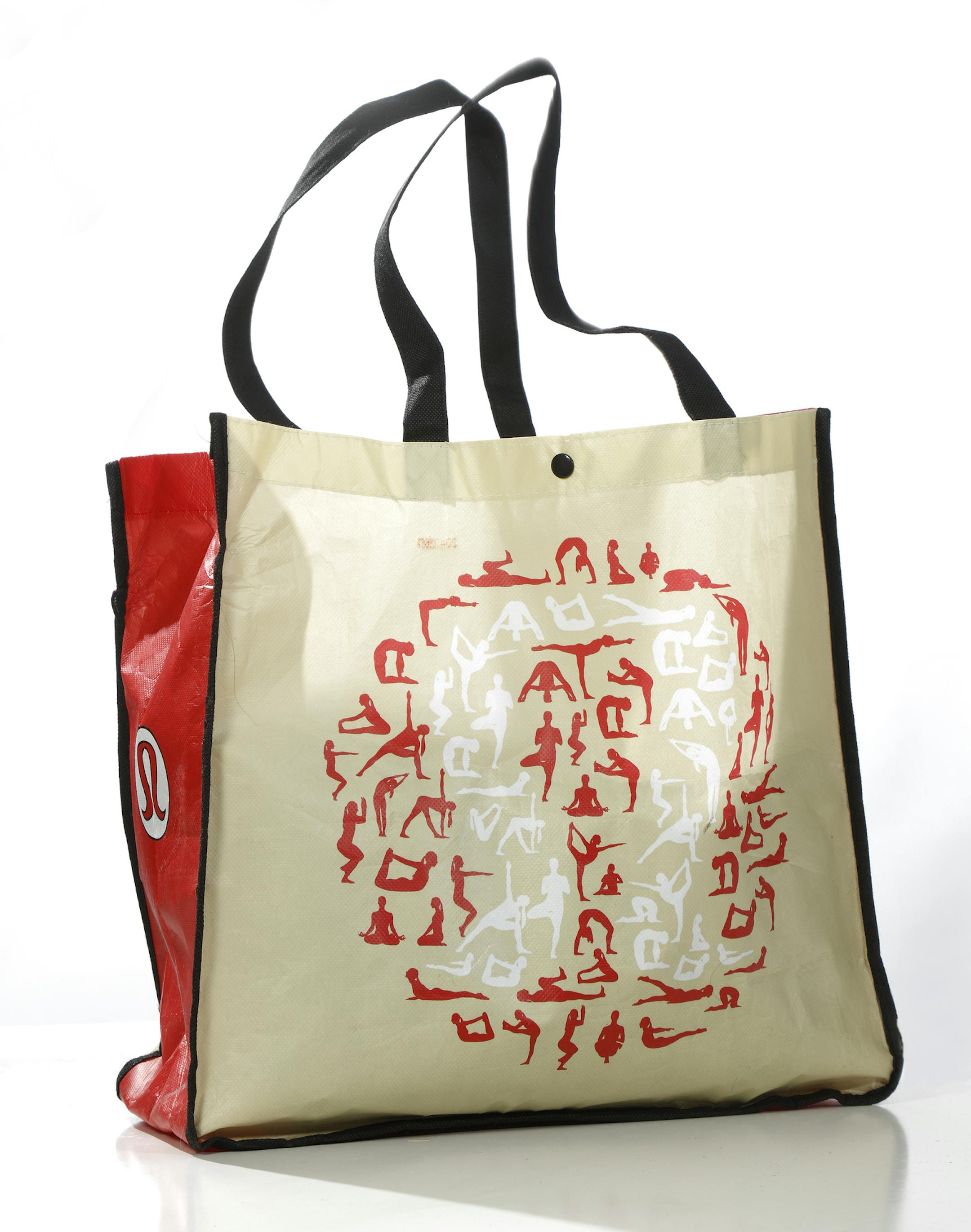
No one wants to be bored to death with some facts 'n' figures about the exciting world of reusable bags, so let's whip up some scaremongering for the sake of consumer-type journalism: Your reusable bag might kill you.
Intrigued? No? Go read the Asimov Super Quiz, then. But this is important. Minneapolis has banned plastic bags, so you will have to get some reusable bags, and we'd be remiss if we didn't play up an exaggerated account of the downsides. So: What possible problems can there be with these simple sacks?
Downside No. 1: They might break.
A good reusable bag should hold a half-gallon of milk, a half-gallon of OJ, some canned goods and a glass jar of pasta sauce. A bad bag will hold all that, but it'll rip. Not today. Not next week. But eventually the handle will rip away from the side of the bag, possibly as you're going up the stairs, and you will watch in horror as the jar of Paul Newman Sockarooni Red sauce bounces down three steps before detonating in a shower of red goo. This happened to me once. It took three coats of paint to get rid of the murder scene.
You can avoid this by checking your bag monthly. Examine the seams. Giveaway bags tend to be flimsy. so remember this handy couplet: If the bag cost money, it's a long-term honey. If the bag was gratis, short-term its status.
Note: Since no one expects you to remember to inspect your bags monthly, just do it when you make the bimonthly replacement of your smoke-alarm batteries. (Insert mocking laughter here.)
Downside No. 2: You'll have to buy new pants.
While researching the problems with reusable bags, I came across a story on a San Francisco TV station that had the teaser: "They're good for the environment, but could your reusable shopping bag lead to weight gain?"
You could imagine an entire city leaning forward in shock, eager for more. WELL, COULD IT? If you fill it full of Nutella and strap the handles around your ears and nom nom nom your way through six pounds of spreadable chocolate, sure. But this story went beyond that.
The story cited an actual Harvard science person, Uma Karmarkar, who studied the way people behaved when they brought their own bags. While people with reusable bags were more likely to choose organic produce — as opposed to inorganic wax fruit, apparently — "they were also more likely to put an indulgence in their basket, and so we defined indulgences as cookies, ice cream and potato chips."