2:35
2:35One of the answers to stability for the restive country of Pakistan is to improve the disparities in how its boys and girls are educated.
The Minneapolis-based American Refugee Committee is working on bridging the gap, particularly among boys and girls through high school. The issues are daunting, from the cultural to the geographic to the tribal to the religious.
Through a program called PAGE (Pakistan Alliance for Girls Education), the organization is bringing in donors, other practitioners and the country's leaders in higher education to address the gap.
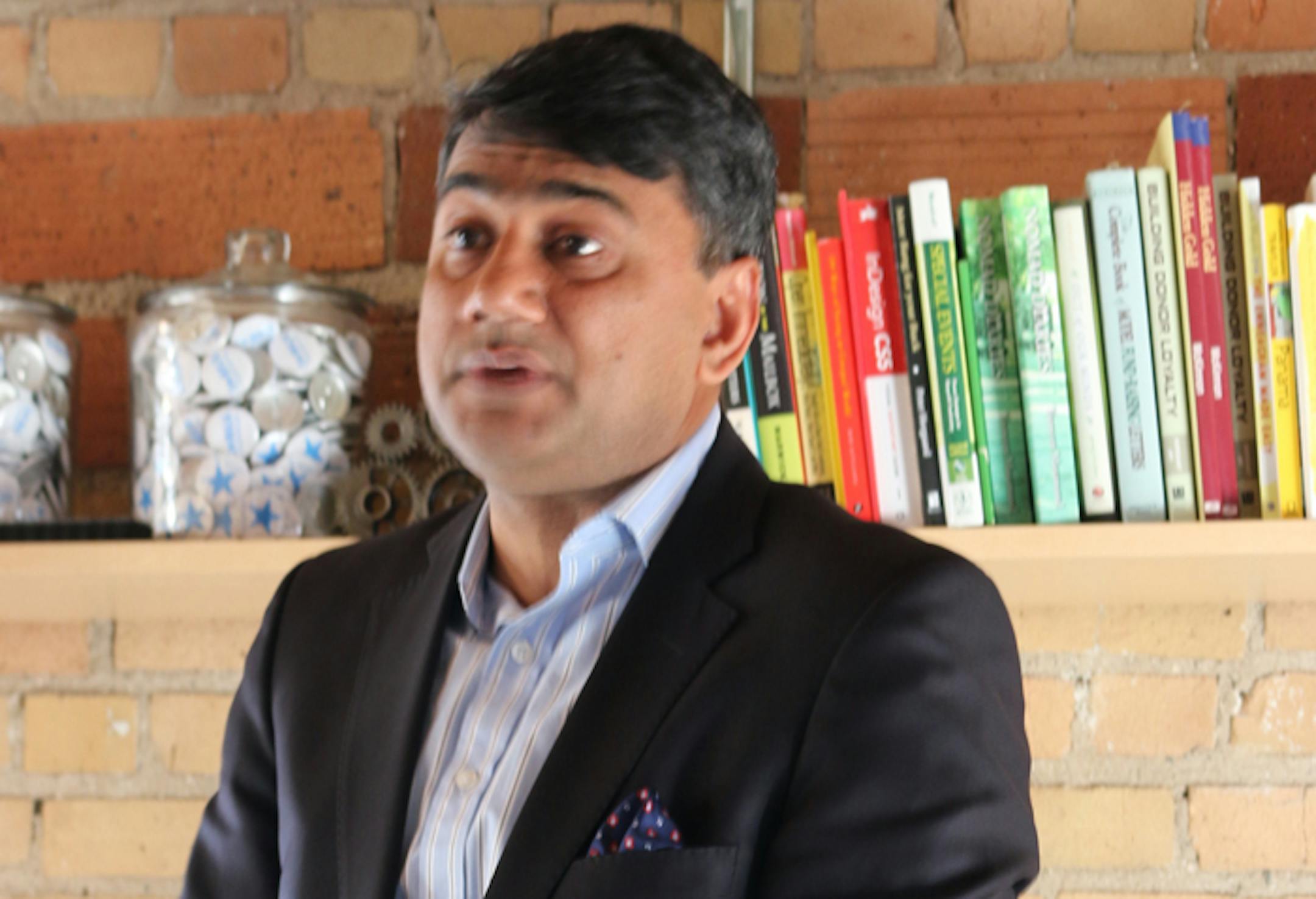
"It's an issue of human rights, it's an issue of equity. We have to make sure the girls get the opportunity to go to schools," said Tariq Cheema, Pakistan's representative for the American Refugee Committee. He gave a briefing on the program while in town on Tuesday.
Pakistan still struggles to rid itself of its British colonial influences, and the disparities in education are an example. The vestiges of the class system left by the Brits' departure in the 1940s mean huge disparities in the haves and the have-nots.
The country has an overall literacy rate of 58 percent, but the rate for females in some areas is as low as 10 percent.
"I have yet to see a single family who says we don't want to educate our girls," Cheema said. But the realities of life get in the way: Parents are concerned about the distances girls must travel to school. Security is a frequent problem; so are concerns about curriculum. Even the availability of classrooms is a problem in some areas.
Cheema said the focus isn't necessarily in building schools as much as it is in building alliances.