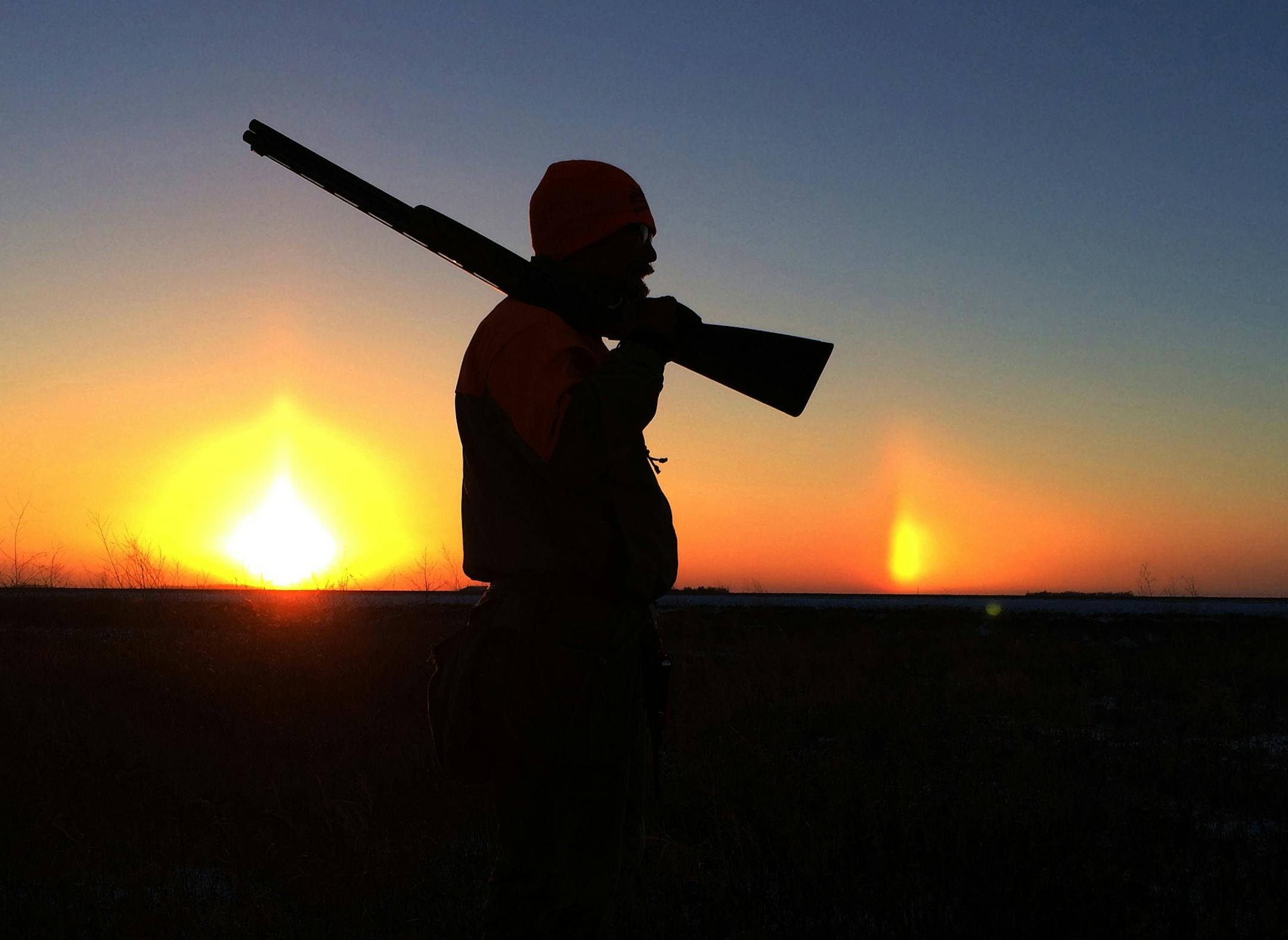
Thursday on the way north, summer faded fast in the rear-view mirror. Already some sumacs blazed brilliantly and alongside the blacktop a dirt footpath that angled into oak and popple suggested the promise of the coming season. This wasn't yet grouse time and there was no gun behind the seat. Still, soon, leaves will change color, migrant birds will gather and an eager dog will quarter ahead, nose to the ground, a chill in the air.
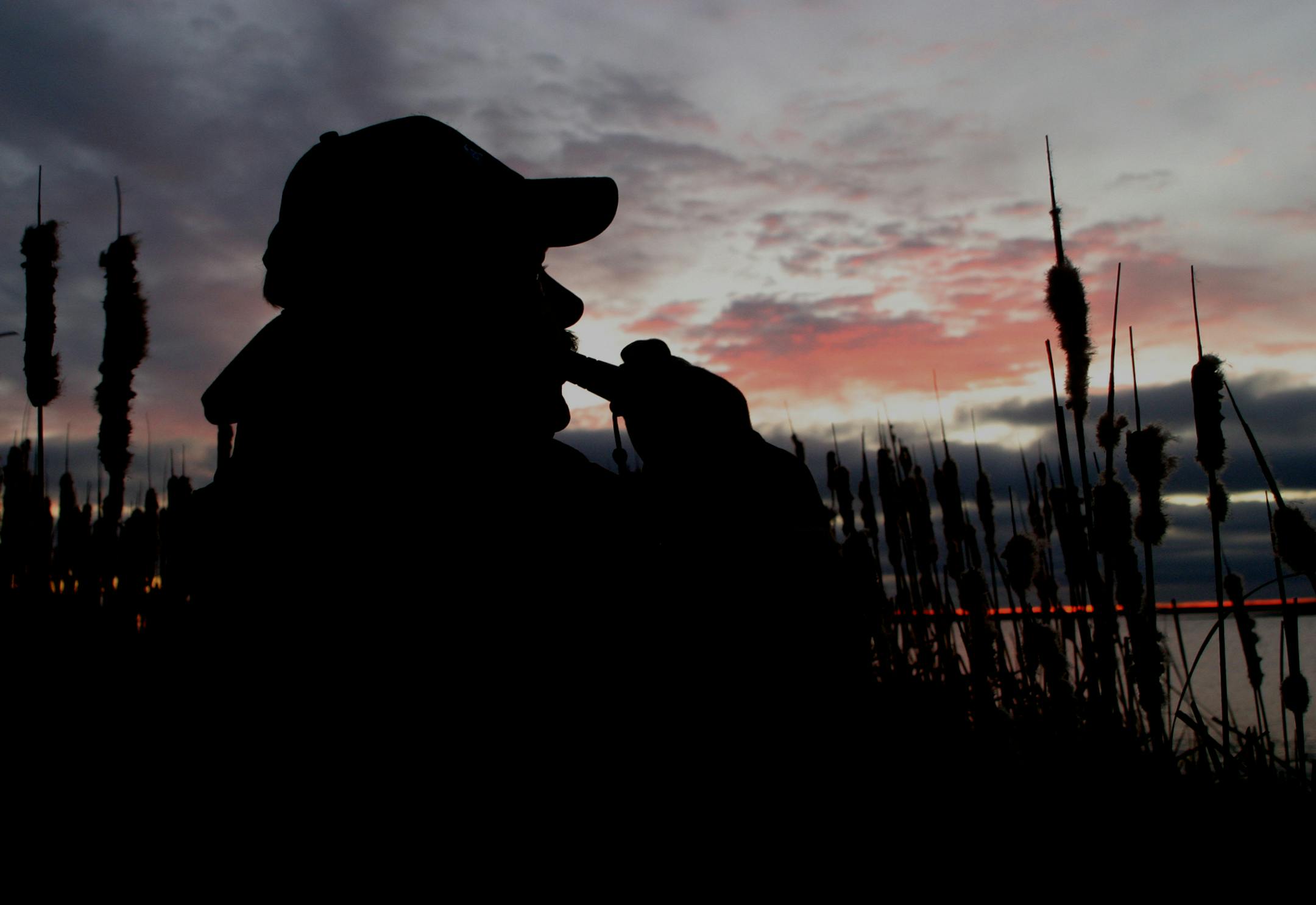
Some years ago my friend Willy and I were on Delta Marsh in Manitoba, hunting ducks. It was late October and the big squalls from the far north rumbled overhead, snow cascading from gunboat-colored skies. Amid these furies each morning in the still-dark we launched our sport boat, loaded decoys and dogs and broke ice toward open water beyond. With the coming light canvasbacks and bluebills arrowed over our decoys, gale winds muffling our scatterguns' reports, poof, poof, birds soon piling at our sides.
Then one morning we were alone. Overnight the marsh froze shut and the few hunters who remained pulled out. Willy and I knew only one place we could hunt a final time: Cabin 70 on the west marsh. Freeze-up came late there, and in the black of that last morning, wipers flapping against the snow, we angled the truck in its direction. Ducks would be cattail-high at sunup, afterburners glowing.
We wanted to be ready.
So it goes in autumn, and you can't really make someone participate under these conditions. The interest is there or it is not. Or, rather, the passion.
The thinking all along has been that a certain percentage of the population will hunt, particularly those exposed early to the field sports, and those who do over time burnish their abilities, enriching their lives, leaving in the end, cast in the funeral pyre, a scrapbook of full-on experiences, life well-lived, page by page.
Yet a hunter is more than a hiker with a gun, and the intent of autumn's pursuit is not for game alone. If it were, production could be ramped up. Rather, what's important about hunting, and manifests itself often among hunters as it has for centuries, is expression of an American principle fast losing favor among the general public: individualism.
Ayn Rand, among many others, advocated this critical but often misunderstood ideal: the importance to the broader society of an individual acting in his or her self-interest, regardless of the aggregate's opinion of the individual's action. The notion can be carried too far, and any reading of Rand that isolates her thinking to the caricature of selfishness as a virtue misses the point.