

The possible future paths of the Vikings are best understood by looking at the past. The biggest trick is knowing when to stop going backward, but 2012 seems like as good a candidate as any.
That season, the Vikings had two first round picks, choosing offensive tackle Matt Kalil with the No. 4 overall pick and grabbing safety Harrison Smith at No. 29.
It remains the only time between 2003 and 2018 that the Vikings have taken an offensive lineman in the first round of the draft. Kalil played at a high level as a rookie, helping pave the way for Adrian Peterson's 2,097 yard rushing season and a surprise playoff berth under second-year QB Christian Ponder. But injuries started a downward spiral for Kalil. Instead of being a 10-year anchor on the offensive line, he was gone after 2016.
Smith, on the other hand, has become one of the NFL's best safeties. He started a run of defensive stalwarts plucked from the draft – joined by Xavier Rhodes (2013), Anthony Barr (2014), Eric Kendricks and Danielle Hunter (2015), that together with head coach Mike Zimmer (hired in 2014) formed the identity of the Vikings. They invested in defense, and they were rewarded with division titles in 2015 and 2017.
What they lacked was stability at quarterback and enough talent/depth on the offensive line. Teddy Bridgewater's devastating injury in 2016 is the single most-defining moment in the last seven years of Vikings history. And the inability to construct a consistently adequate offensive line has been the biggest downfall.
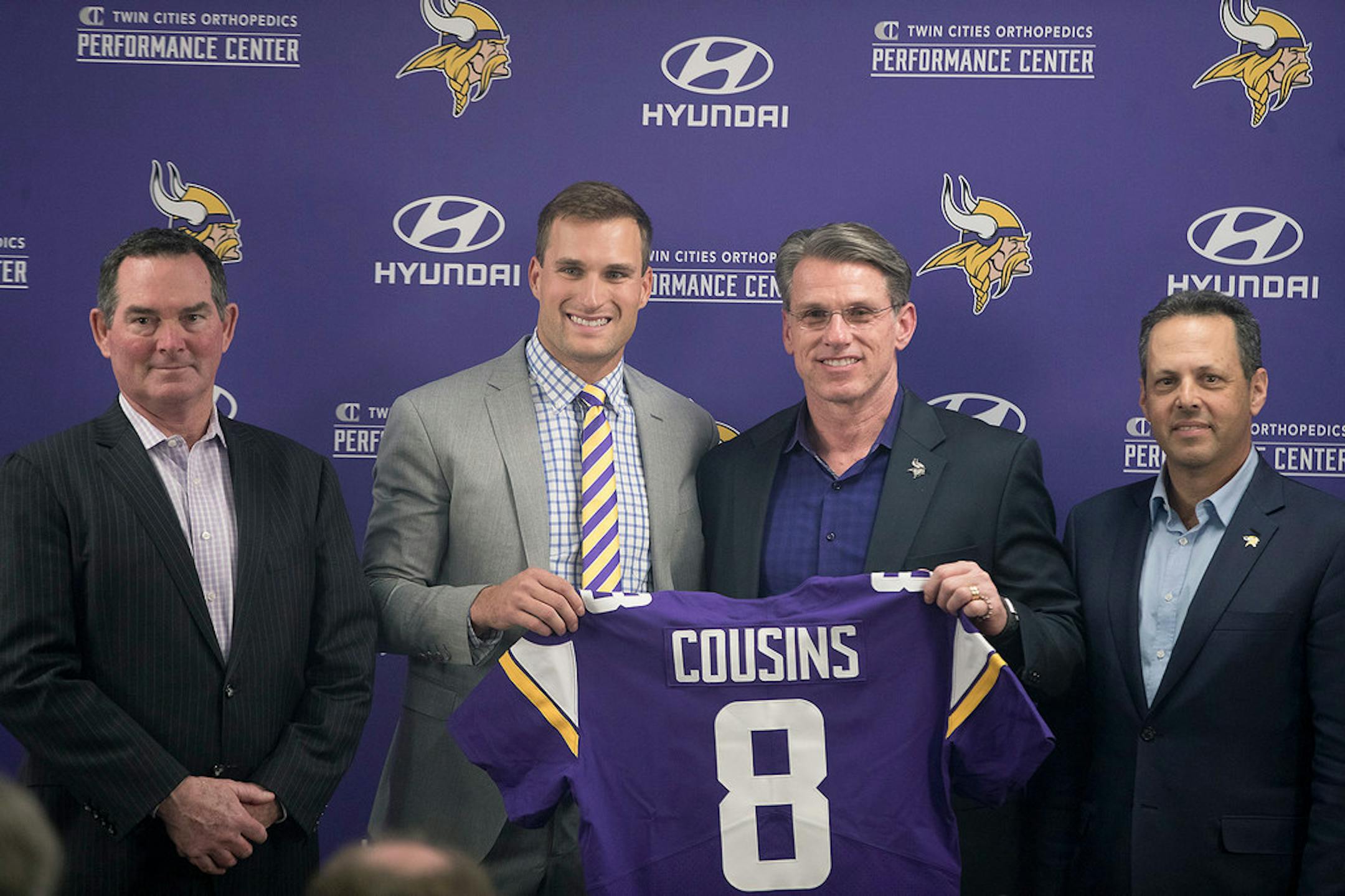
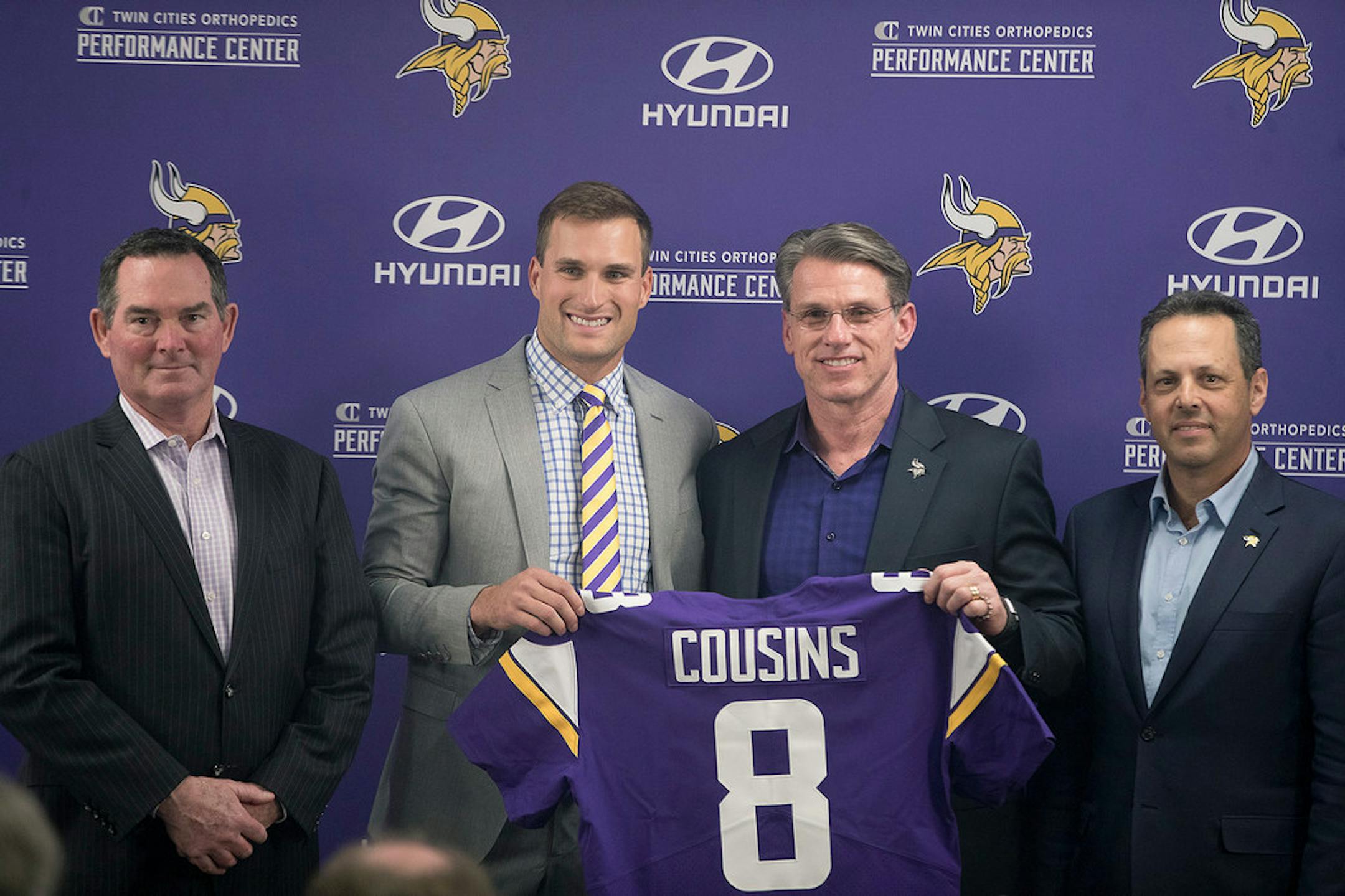
Those two things weren't necessarily linked for many of those years, but they sure are now. The Vikings went all-in on Kirk Cousins as a free agent QB in 2018, signing him to a three-year, $84 million guaranteed contract. What they bought was the idea of a consistent upgrade over 2017 starter Case Keenum and the potential for stability with a QB in Cousins who is a bona fide starter and a durable one at that. It was a fair gamble, but it came with a risk.
Signing Cousins instead of, say, re-signing Keenum or banking on Bridgewater's return to health for much lower prices, meant there was less money to spend on defense and the offensive line. That in turn put pressure on drafting players, striking gold with lower-tier free agents and improving in-house candidates on the O-line. The strategy failed miserably in 2018, even when considering the tragic death of offensive line coach Tony Sparano before the start of the season. For the second time in three seasons, poor offensive line play derailed a potential playoff season.
That lack of success, particularly in the Super Bowl-or-bust 2018 season, has put the onus on GM Rick Spielman and head coach Mike Zimmer to succeed in 2019 or risk losing their jobs.


