

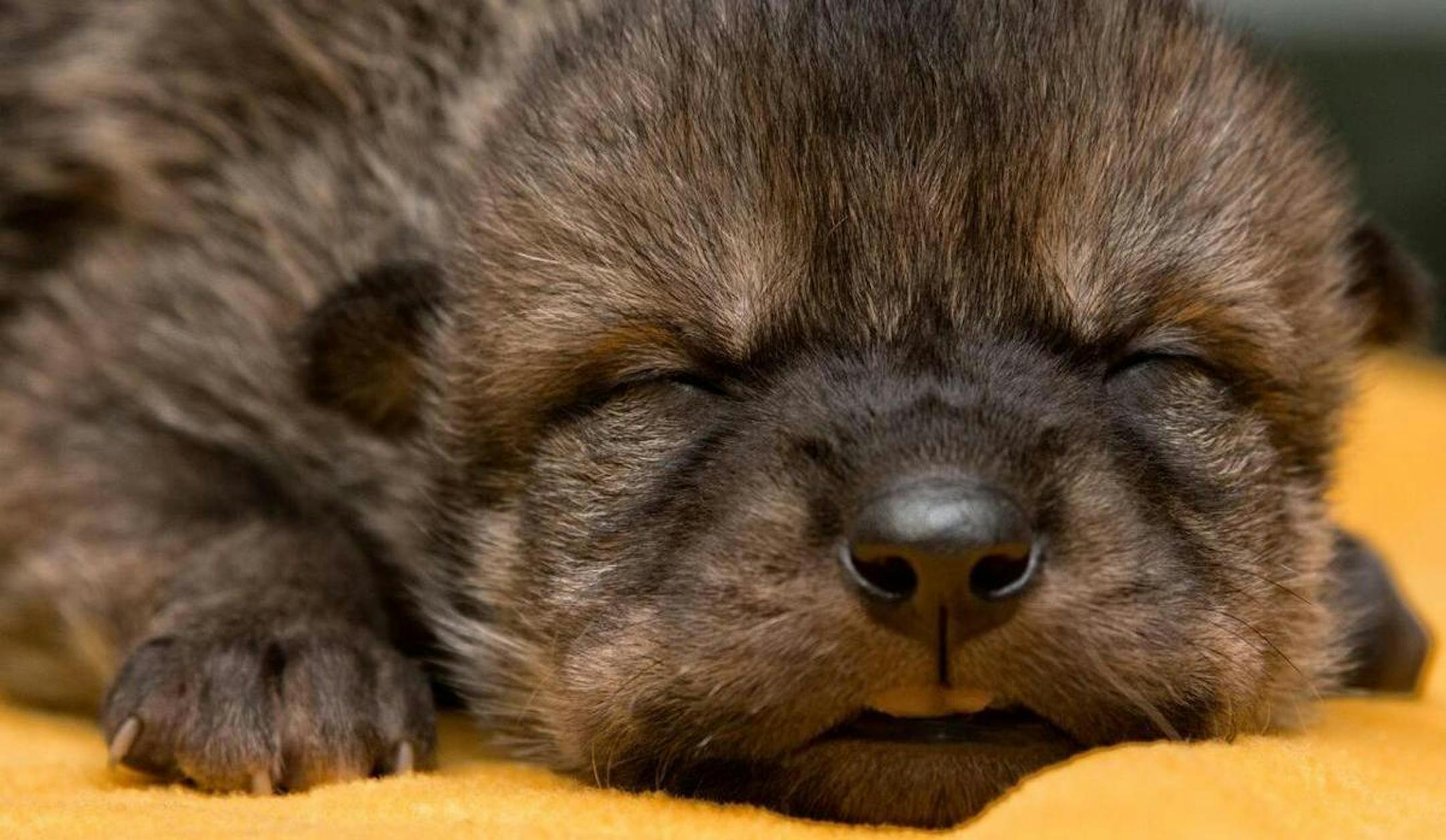
EUREKA, Mo. – It was just before 5 a.m. and four critically endangered wolves were tucked under a seat on a flight from St. Louis to Arizona.
The Mexican wolf puppies, one of the most endangered subspecies of the gray wolf in the world, sat piled in a carrier at the feet of a conservationist. Her team was on a mission to bring the tiny wolves born in captivity at the Endangered Wolf Center in Eureka to two packs of wild wolves in Arizona and New Mexico that might raise them along with their own.
"The stars, the moon, the planets — everything had to align," said Regina Mossotti, director of animal care and conservation at the Endangered Wolf Center.
For these pups to make it into a wild pack, they needed to be no older than 14 days and born within three days of the wild pups they would be paired with and conservationists had to be able to find and hike to the wild den in time.
The stakes were high — the Mexican wolf was just recently saved from the brink of extinction. In the past 40 years, the wolves have gone from just seven to about 150 in the wild.
The Fish and Wildlife Service searched the database of wolf litters born in captivity, looking for one born within three days and with lineages that will add to the genetic diversity of the wild pack. They also need to find a pack with several healthy pups. At least two have to be left in captivity with the parents.
In April, five pups where born to the wild Elk Horn Pack in Arizona, six pups were born to the Frieborn Pack in New Mexico, and seven were born in captivity in Eureka.
The match — if they could make it happen — was perfect.


