

Every president since Richard Nixon in the 1970s has called upon Americans to reduce our reliance on imported "foreign oil" and to become more energy independent. As the nation becomes a major oil and gas producer, we have begun to reverse the balance of trade. However, we are still dependent upon those fossil fuels to power our economy and way of life.
The goal of energy independence has a uniquely Minnesota spin because, unlike the nation as a whole, we have no natural deposits of coal, gas or petroleum, and we import some $18 billion in fossil fuels every year. As a state, we have much to gain from an economy based on Minnesota-grown energy resources. A strong case can be made that a Minnesota version of energy independence is what will truly sustain us for years to come.
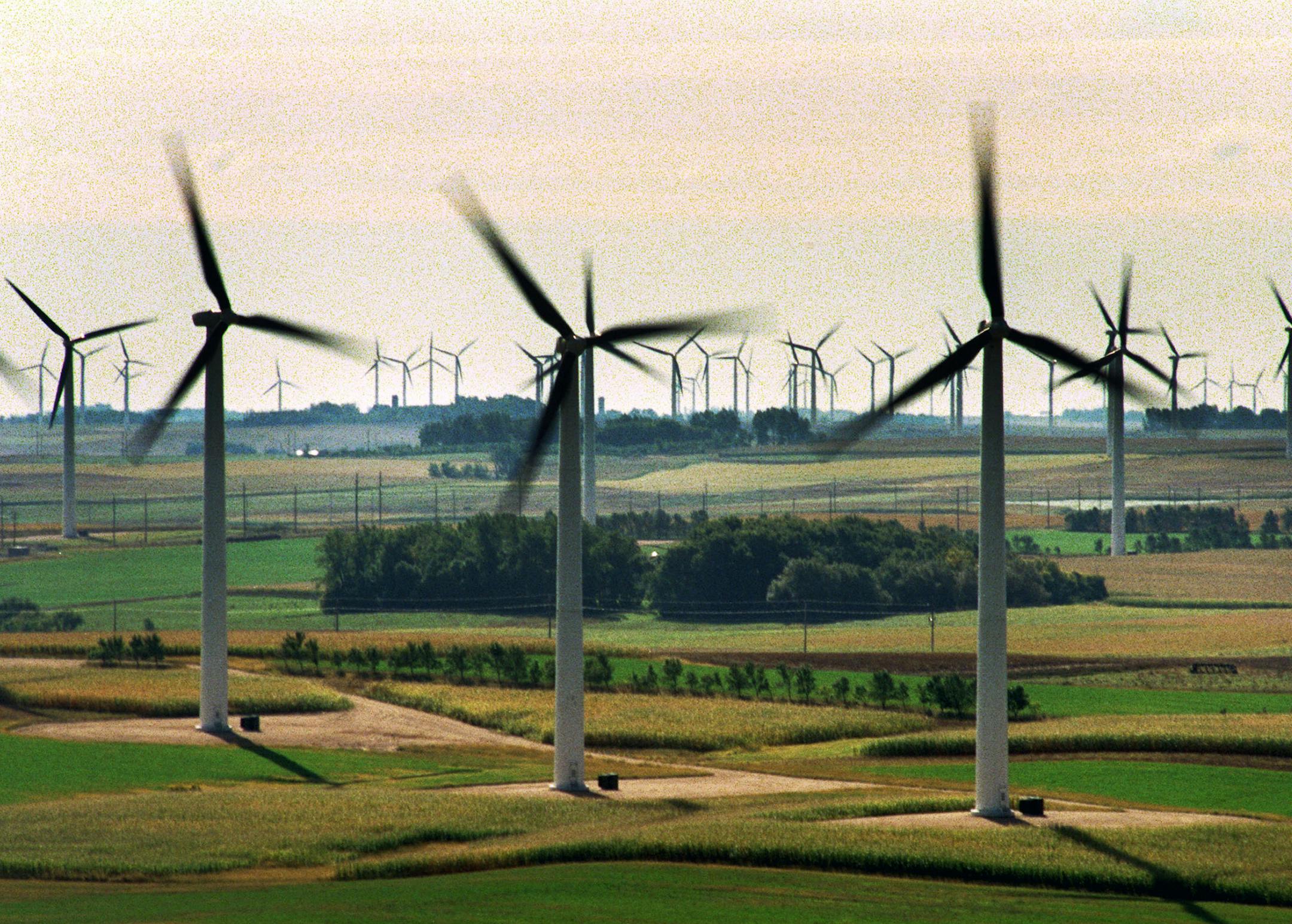
Credible studies show that Minnesota has the resources to meet our energy needs from wind, solar, bioenergy from plant materials, geothermal, hydro and increased efficiency across the energy system — while dramatically cutting carbon emissions. We've already successfully scaled up wind energy at very low wholesale prices. Solar looks likely to follow the same trajectory. We have a world-class cluster of innovative companies replacing petroleum-based chemicals with plant-based polymers. A just-released state analysis shows that growing the clean energy economy is already creating companies and thousands of jobs, at a faster rate than the rest of the economy and at average wages 42 percent higher than other jobs.
A credible, no-regrets goal of energy independence that will keep our lights on and commerce moving forward, while protecting consumers, will require a process of steps. We would need to scale up our locally sourced energy generation and add it to the grid and the energy system while the share of imported fossil fuels ramps down gradually, keeping an adequate supply in reserve, if needed. At the same time, we would need to ramp up efficiency measures, accelerate adoption of electric or alternative-fueled vehicles, develop advanced energy storage, and modernize our electricity grid so it is smarter, more flexible, and more resilient.
This process requires benchmarking progress and constant re-evaluation. Energy independence should not mean cutting our ties to our regional electricity grid; we can be locally resilient but still globally connected.
Many leading businesses, including oil companies, are acknowledging the risks of climate change in their profit and productivity forecasts, and thousands of businesses have called for government to establish a carbon policy. Scientists know that moving away from carbon-emitting energy is essential and urgent. An energy strategy based on future trends, not 20th-century models, is much more likely to keep our state vibrant for years to come. And we can show the world how a coal-dependent heartland state can become a model for the future, while maintaining a strong economic base and high quality of life.
Making Minnesota energy independent is the kind of big idea that requires the best and brightest minds, namely our university researchers and students working with private, public, nonprofit and community leaders to find solutions to our "grand challenges." The University of Minnesota created the new Energy Transition Lab to leverage university expertise and to find innovative pathways for our energy system's transition to the future — in Minnesota and beyond.
At the energy lab, we will work with university experts to identify how to remove legal and policy barriers, create finance and market tools, accelerate technological innovation, and educate the next generation to help drive the transition. For example, our economists can tell us how to reform markets to account for the impacts of CO2 and incent cleaner energy sources. Law professors can help us develop tools to quickly scale up rooftop solar and to help cities respond effectively to climate change. As a land-grant university, we want to help find the answers demanded by the 21st century.


