BURBANK, Calif. – The bones of the game were laid with drones and cameras, phone calls and innovations. Rather than a brainstorm followed by code, the latest title in the "Call of Duty" videogame pantheon formed around technology and well-sourced storytelling — its content authenticated by two men who know well the game's subject matter.
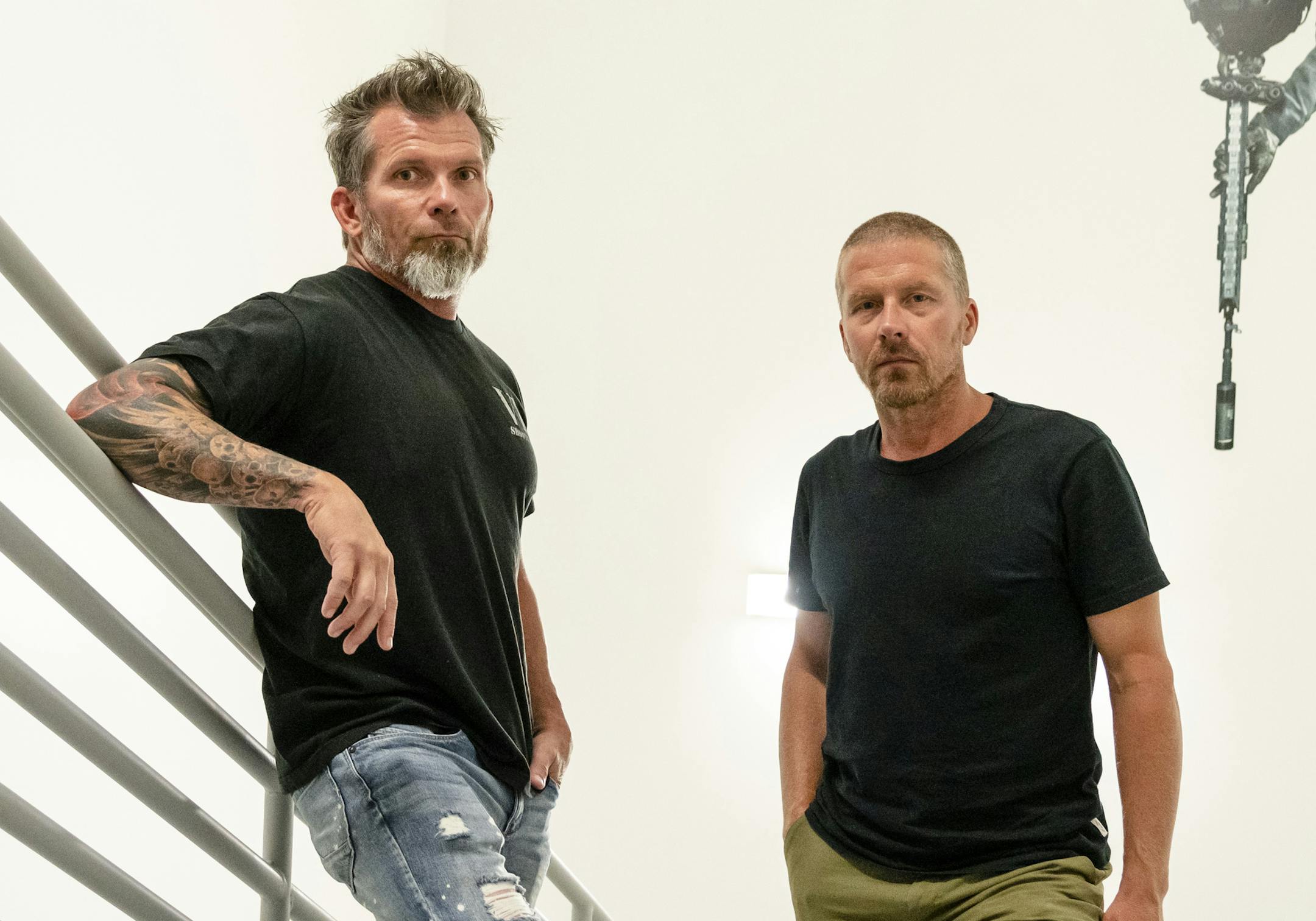
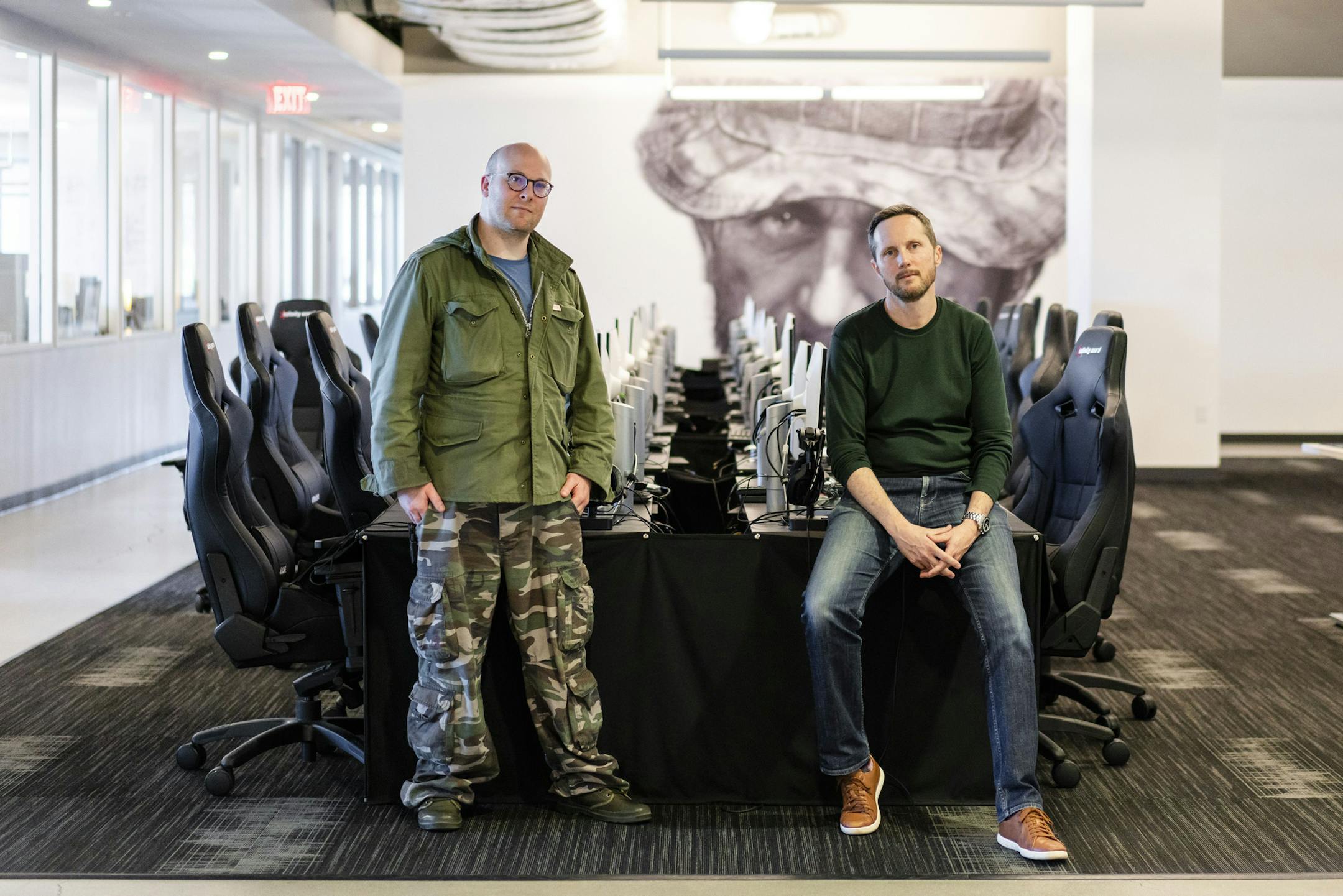
Mitch Hall and Steve Sanders, retired Navy SEALs, watch a scene that looks as if it were captured by a body camera during one of their past deployments. In the back of the theater, Infinity Ward Studio Narrative Director Taylor Kurosaki and Jacob Minkoff, "Modern Warfare's" campaign gameplay director, listen as Hall explains the mechanics of the soldiers' movements and the rationale as they watch special operatives storm a terrorist-occupied home and spot a woman.
"No weapon, that's the first thing," Hall said. "That's the first math problem you have."
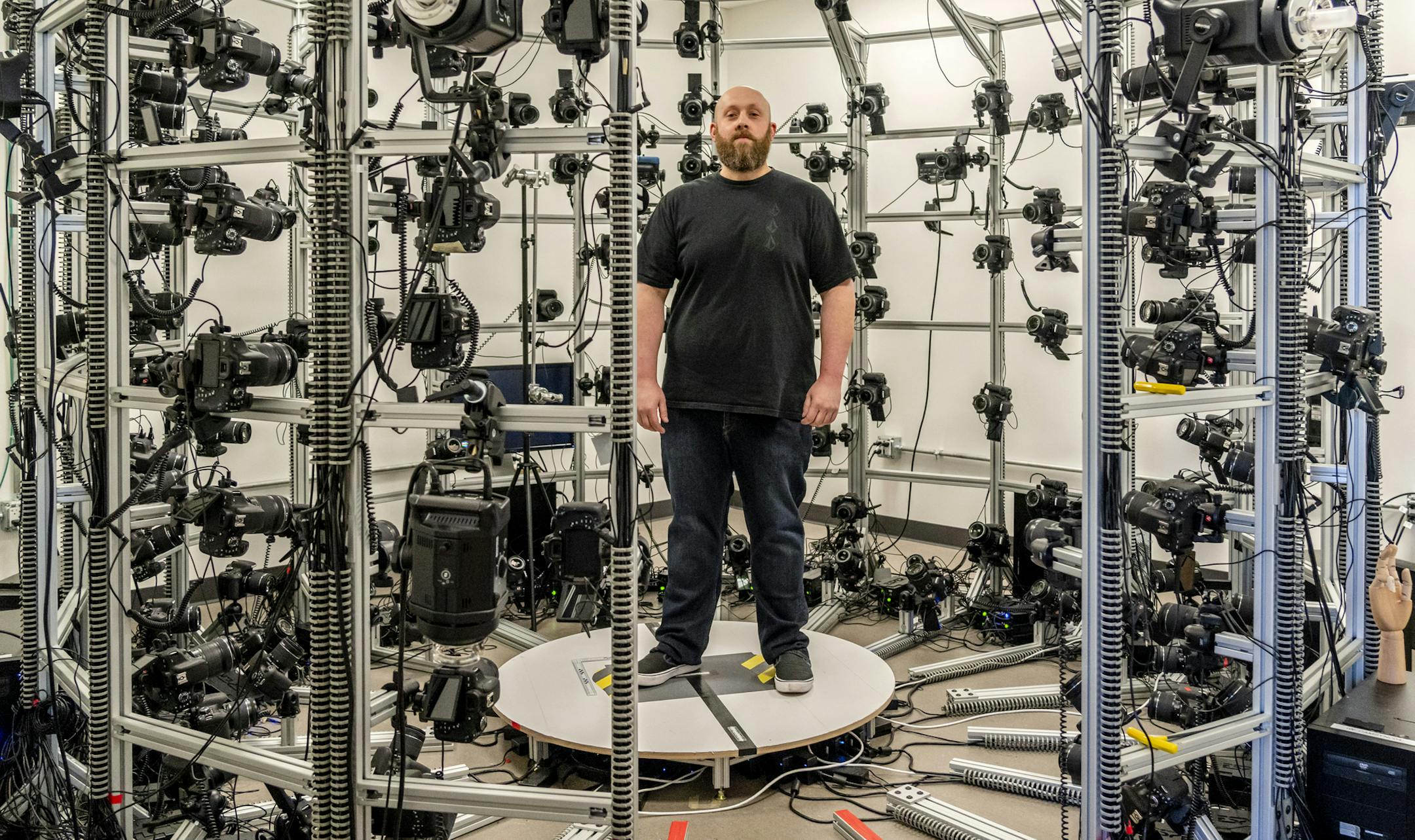
If the bones of "Modern Warfare" were first set three years earlier, the action on the screen is the game's body brought to life. Infinity Ward began to infuse more reality into its creation by putting more reality into the game. Behind a nondescript door and inside a white-walled room of approximately 100 square feet in the bowels of Infinity Ward's Burbank, Calif., studio sits a kind of teleportation device.
A cage of steel surrounds a small white platform, its exterior draped with cables to cameras and flash-bulbs. Any item placed on that platform — anything from a cigar to a man — can be transported into the game with the push of a button.
"It's just a big ball of light," recalled Barry Sloane, the actor who plays the hero role of Captain Price and was just one of the thousands of objects teleported into pixels.
The process is known as photogrammetry, a craft through which high-resolution photos are taken of an object from every angle, generating a three-dimensional digital replica that can be manipulated with software. The end result is a photo-realistic digital item far more lifelike than any computer-generated object.
With photogrammetry, what used to take six weeks to create can now be scanned and refined in one, said Infinity Ward Studio Art Director Joel Emslie. Over the past three years, everything from old tires to demolished cars to a tank have been scanned.