

Updated at 3:46 p.m.
Privacy concerns drove a bipartisan vote in the Minnesota House Friday to stop police from using controversial vehicle tracking technology to log the locations of innocent people.
Also on Friday, the House passed a bill attempting to shed light on misuse of private data by public employees. It came on the heels of several high-profile breaches to the state's driver's license database by police officers and other government workers.
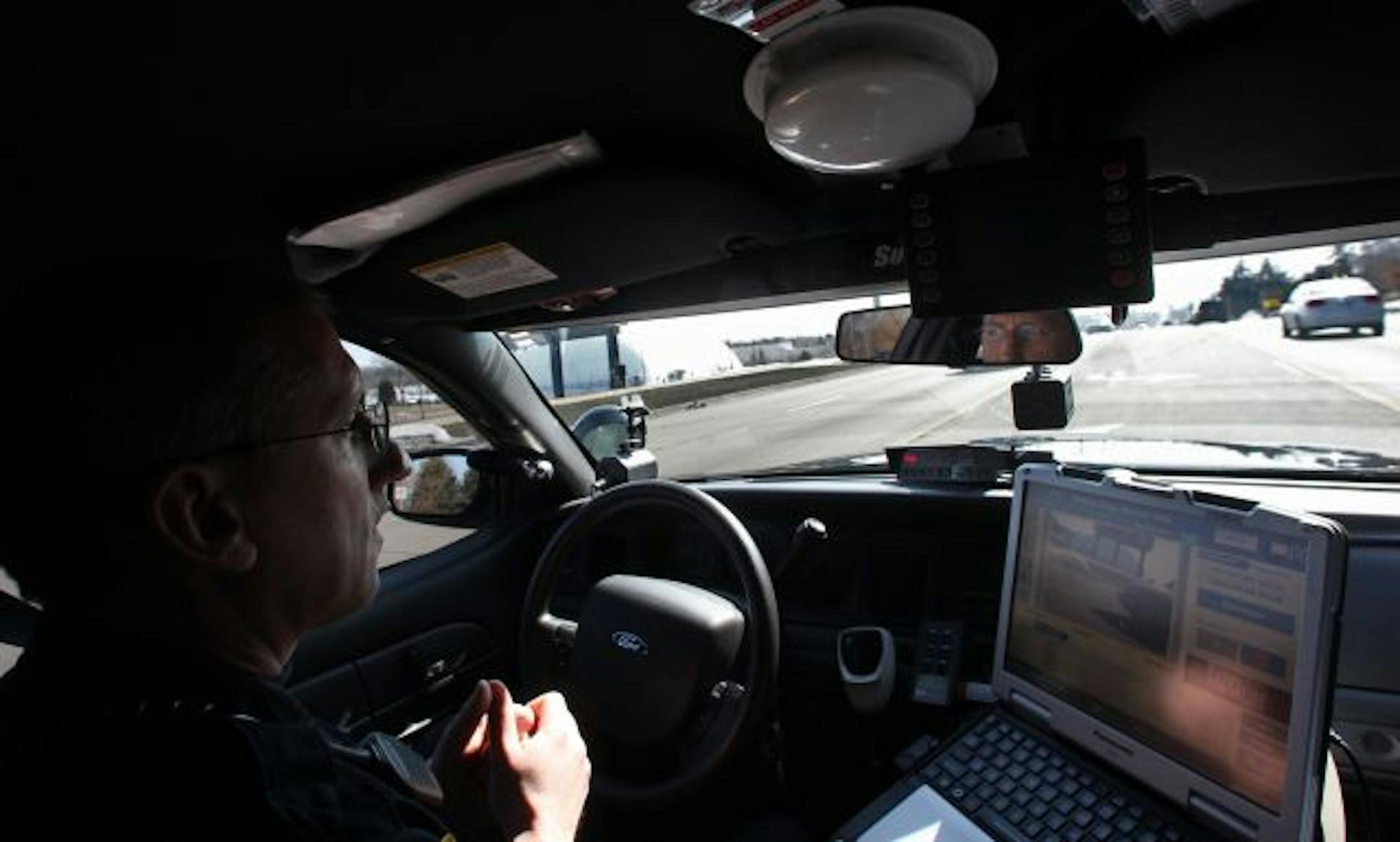
The vehicle tracking bill creates the state's first regulations surrounding license plate readers, which police across Minnesota use to spot criminals in real-time. The small devices are often attached to the hoods of squad cars, scanning every plate they see against a database of wanted vehicles.
A Star Tribune investigation in 2012 revealed, however, that cops were also storing massive amounts of location data on non-criminals — all of it publicly available. Friday's bill, sponsored by Lakeville Republican Rep. Mary Liz Holberg, makes that non-criminal data private and prevents cops from retaining it altogether.
The debate on the license plate reader bill focused on the appropriate time cops should retain location data on vehicles not sought by law enforcement. Law enforcement groups have argued that historical data is an important tool to help solve crimes, since it allows them to scan the past whereabouts of criminal suspects who materialize after a crime.
Rep. Deb Hilstrom, DFL-Brooklyn Center, pushed unsuccessfully an amendment that would let police keep non-criminal data for 180 days. A Senate bill, which may come up for a vote this weekend, allows police to retain non-criminal location data for 90 days.
But Rep. John Lesch, DFL-St. Paul, countered it was not worth compromising the privacy of innocent people, who comprise a vast majority of the vehicles being tracked. Last June, for example, only 6,100 of the 805,000 scans by plate readers in Minneapolis matched a database of wanted vehicles.


