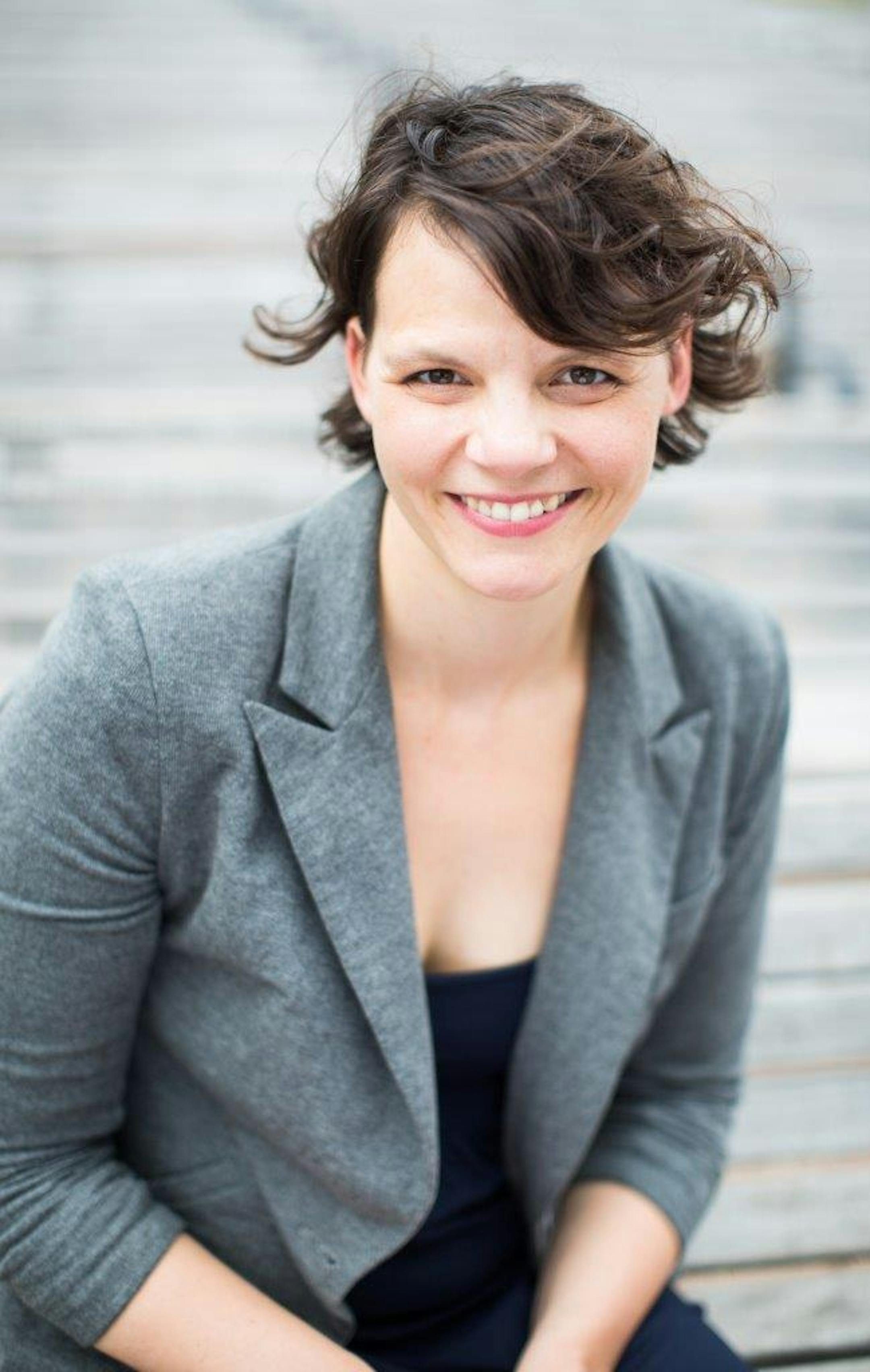
Ericca Maas, director of a business-founded group to get all Minnesota children ready for kindergarten, is a constituent of Rep. Erin Murphy, DFL-St. Paul. Murphy, a nurse, professor and veteran legislator is about to introduce a bill in the Minnesota Legislature that would fund preschool for all Minnesota 4-year-olds.
We're set for the years-old argument over different approaches to solve an issue on which amiable opponents Maas and Murphy agree: getting more kids ready for kindergarten.
Long-held research by the Minneapolis Federal Reserve Bank shows that kids who are prepared for kindergarten are more likely to graduate high school and cost society far less in social services, criminal justice and other public costs than kids not ready for school. Those left behind tend to be low income and minority.
These two reasonable people, Gov. Mark Dayton and the Republican-led Legislature should reach an accord that will increase scholarship funding through the Parent Aware network, which includes some schools. And there should be money allocated to expand school-based programs in the neediest neighborhoods.
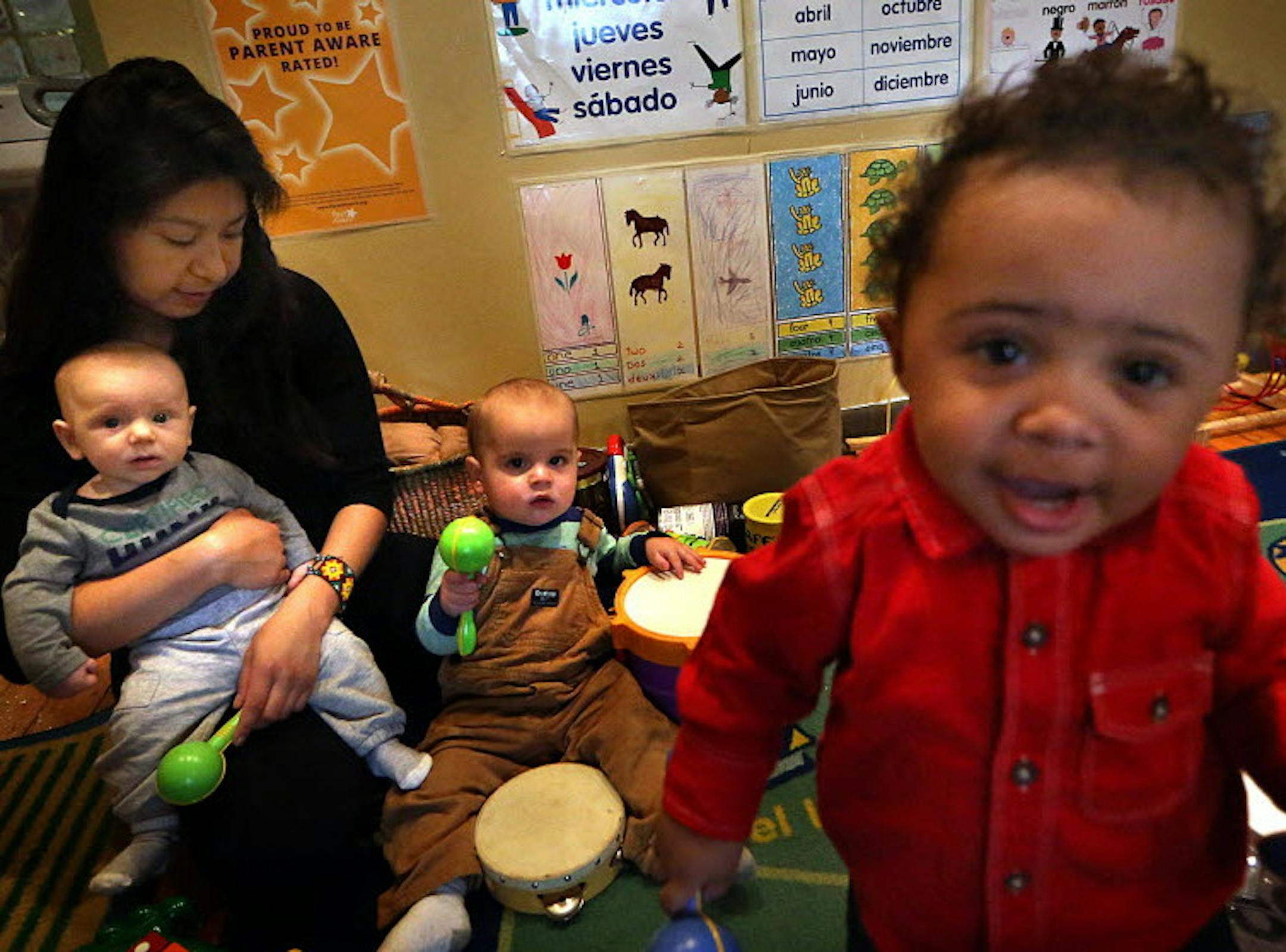
The business-led group, now known as Close Gaps By 5, will seek up to $100 million a year in annual family scholarships to expand coverage to the estimated 40,000 highest-risk kids from low-income families as young as a year old through its growing system of Parent Aware-rated day cares, some of which are in schools and community centers. Most are operated by licensed day-care providers.
The group of businesses and supporters, now led by Ecolab CEO Doug Baker, has invested tens of millions on research and scholarships for families who choose from Parent Aware-certified early-ed programs in schools, nonprofits, centers and homes. But they see no need to fund all kids.
"We say target [highest-risk kids] multiple years with choice for parents," Maas said. "We have enough experience with scholarship kids to know their parents want opportunities. We've been doing this since 2007. And we need to scale it up."
Art Rolnick, the retired research chief at the Minneapolis Fed, who now works on the issue at the University of Minnesota, has pointed to $16 in benefits to the public his study revealed for every $1 invested. But only when aimed at targeted, low-income kids whose families need help.