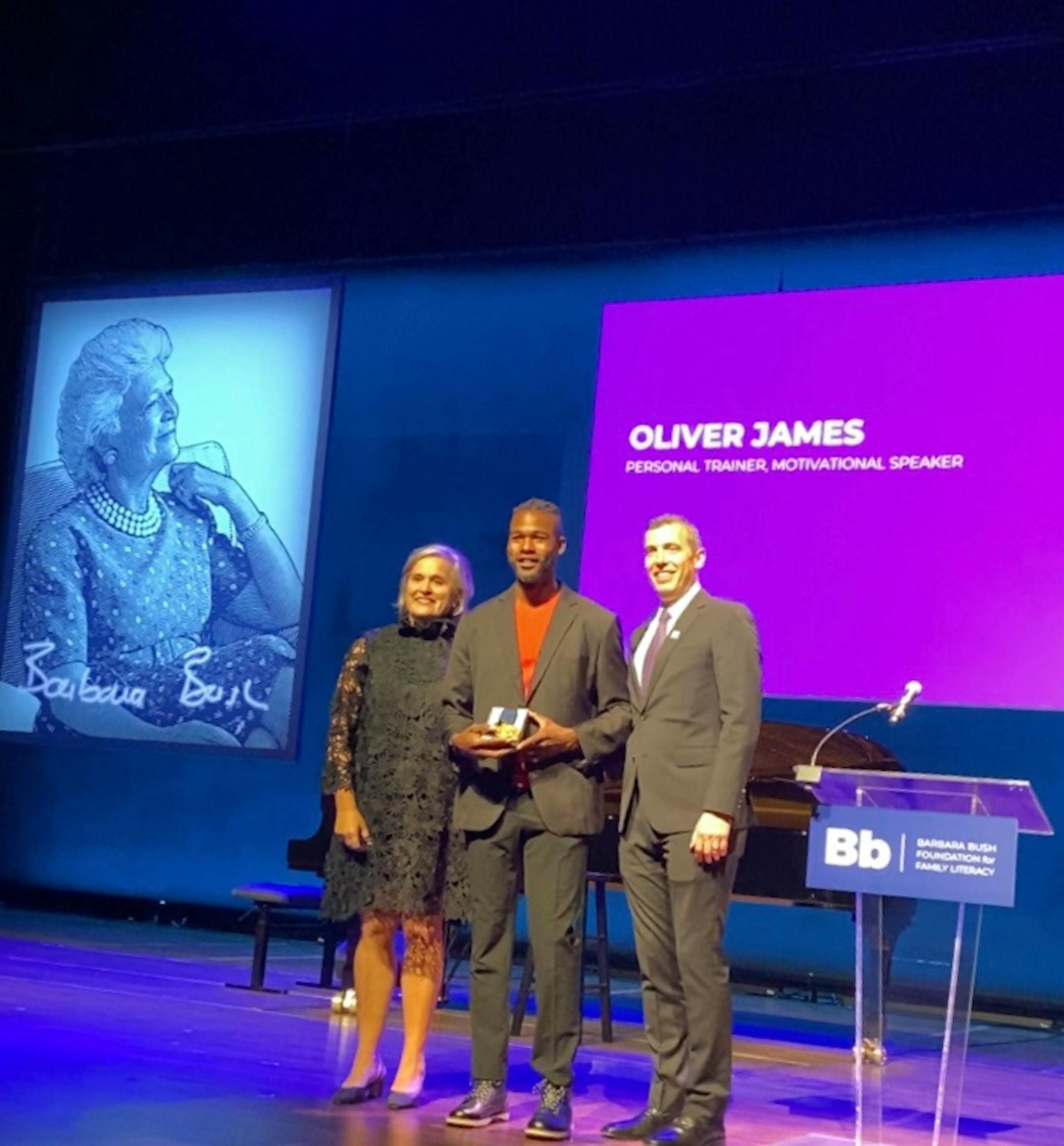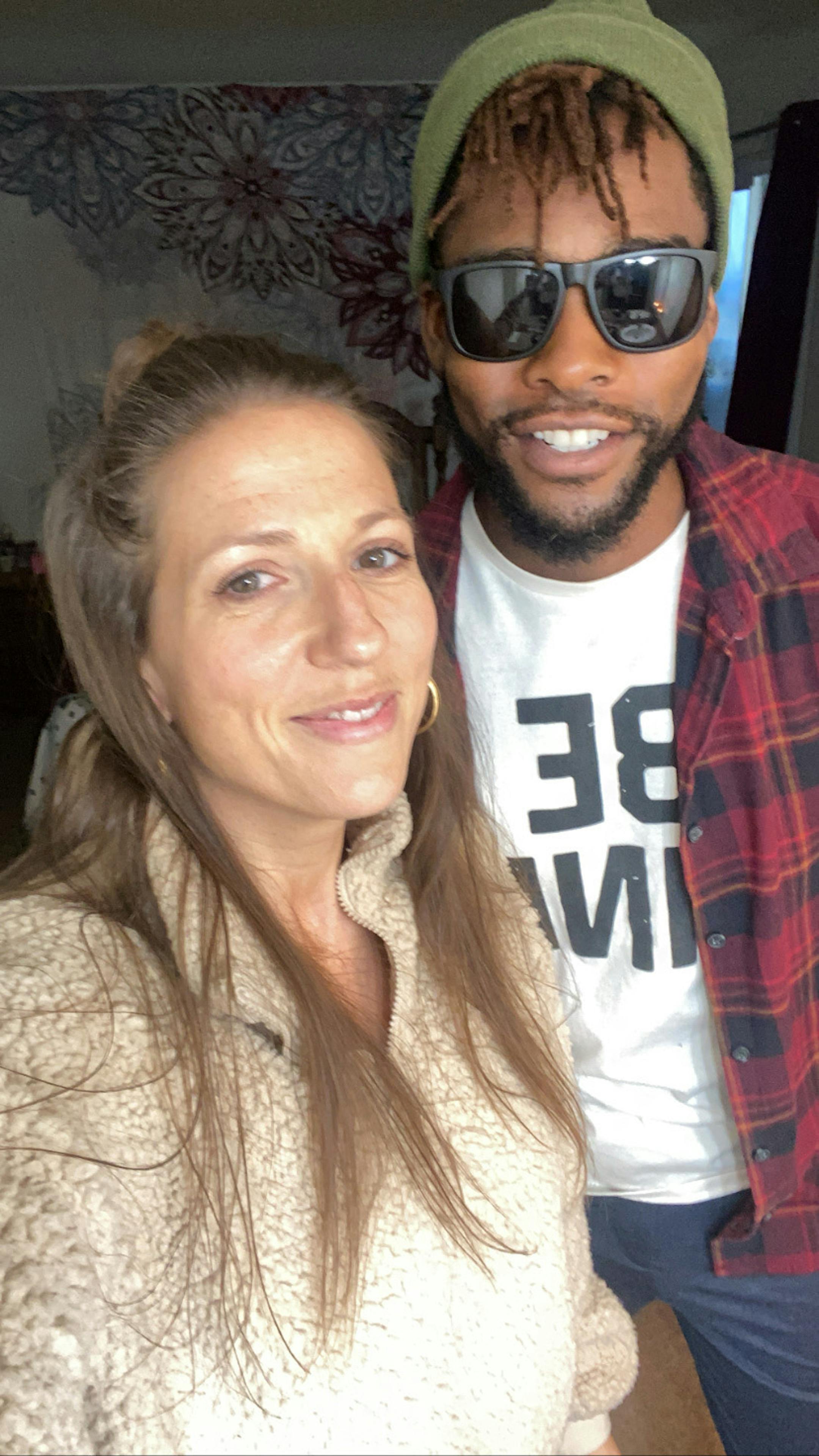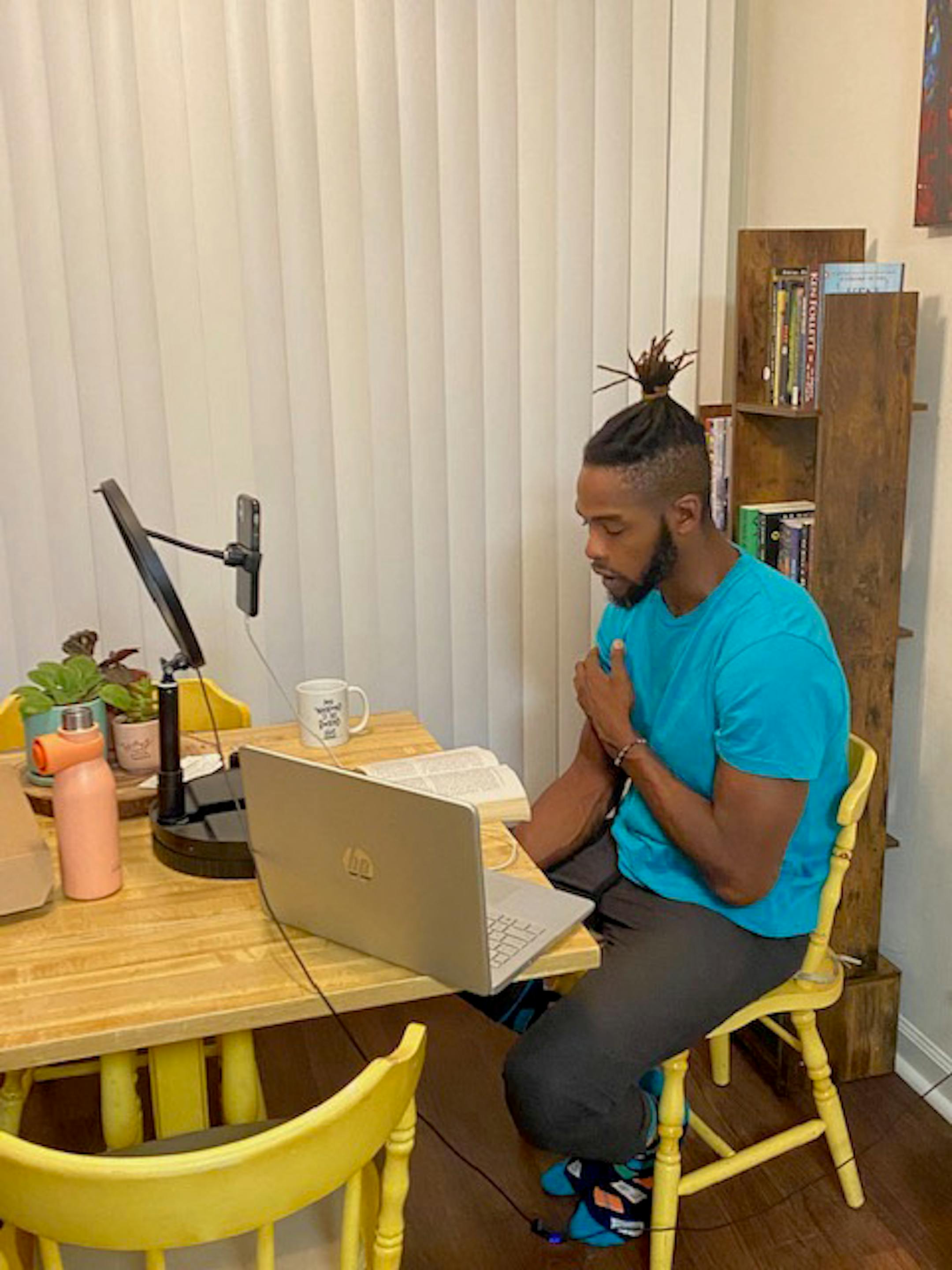
Oliver James graduated from high school without knowing how to read.
"No one ever told me there was a reason to take school seriously," said James, 35, who grew up in a low-income neighborhood in Bethlehem, Pa. "It was just a place I had to be."
When James was in first grade, he was suspended from school. He was punished for being disobedient, and after only a week away from the classroom, "I couldn't read like the other kids. They were so far ahead."
That set the stage for the rest of his education, he said, and also his career prospects. Until recently, James was functionally illiterate. He could read some simple words, but not when they were strung together into lengthy sentences.
"I didn't know how to maneuver around the world normally; I always had to do things like a person who doesn't know how to read," he said.
James kept jobs for only a week or two at a time, even when they required little to no reading, such as busing tables or bartending. He couldn't read restaurant menus, street signs or text messages. He relied on voice dictation tools to get by. He felt ashamed of his inability to read, so he kept it a secret.
"I would just lie, lie, lie, lie," said James, who had short-term jobs in hospitality, roofing and construction. He would get caught in his lies, which led him to lose jobs.
In 2020, James decided to make a change in his life. He wanted to feel more fulfilled and connected to the world. He decided he had to learn how to read. Plus, he said, he was hoping to become a father one day.