

I learned many years ago that visualizing or fantasizing is one of the most powerful means of achieving personal goals.
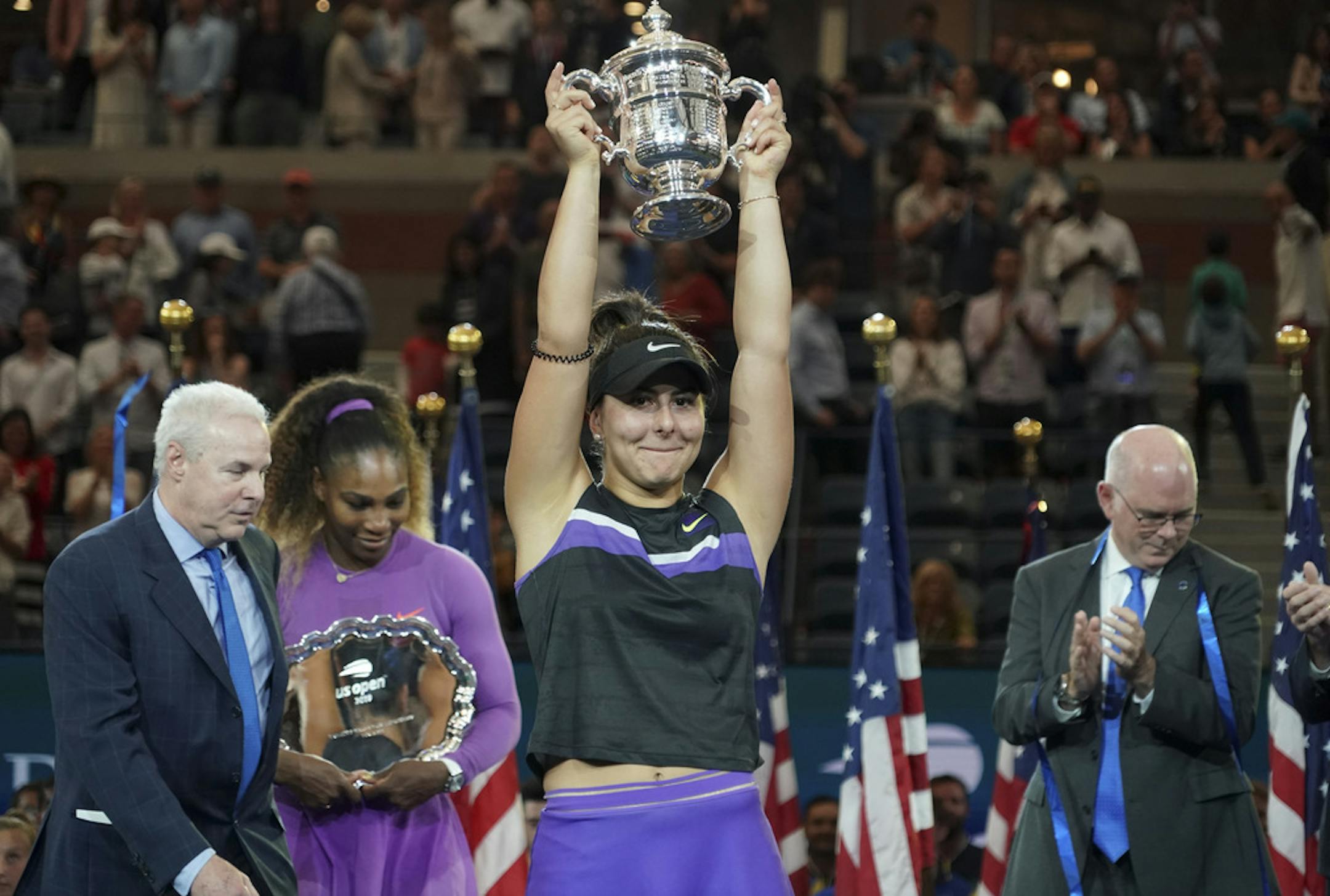
This proved true again at the recent women's U.S. Open Tennis final, when 19-year-old Canadian Bianca Andreescu defeated Serena Williams. During her postmatch news conference, a teary-eyed Andreescu mentioned how for years she would close her eyes and envision herself winning the U.S. Open against Williams, the greatest female tennis player of her generation.
"I guess these visualizations really, really work," she said.
Andreescu's rise has been amazingly swift. She lost in the first qualification round at the last two U.S. Opens and was ranked outside the top 150 women players when the 2019 season began. She won a tournament earlier in the year but then missed significant time with a torn rotator cuff. Since she returned to the tour in early August, she has beaten Serena Williams twice. Such is the power of active visualization.
Numerous studies have shown that mental practice through visualization can be as effective at improving skills as real practice. You can actually develop and reinforce real skills by visualizing yourself practicing them.
This explains why visualization is part of most world-class athletes' training: Because it works! They have future vision. They see things a split second before they happen.
That's what a place-kicker does when he comes on the field to kick a winning field goal. Three seconds left in the game, 80,000 screaming fans, 30 million people watching on TV and the game is in the balance. As the kicker begins his moves, he makes the final adjustments necessary to achieve the mental picture he's formed in his mind so many times — a picture of himself kicking the winning field goal!
That's all well and good for athletes, but what about the rest of us whose dreams of success follow other paths?



