

An elderly woman had always wanted to travel abroad. Now that she was getting on in years, she thought the time had come, but she had never even been out of the country. So she began by going in person to the passport office and asking how long it would take to have one issued.
"You must take the loyalty oath first," responded the passport clerk. "Raise your right hand, please. Do you swear to defend the Constitution of this country against all its enemies, domestic or foreign?"
The woman's face became pale and her voice trembled as she asked in a small voice, "All by myself?"
Loyalty is what makes for great people, winning teams and top-flight business organizations.
Former Treasury Secretary Donald Regan said, "You've got to give loyalty down, if you want loyalty up." I have a different way of saying this. I firmly believe that respect is earned, honesty is appreciated, love is gained and loyalty is returned.
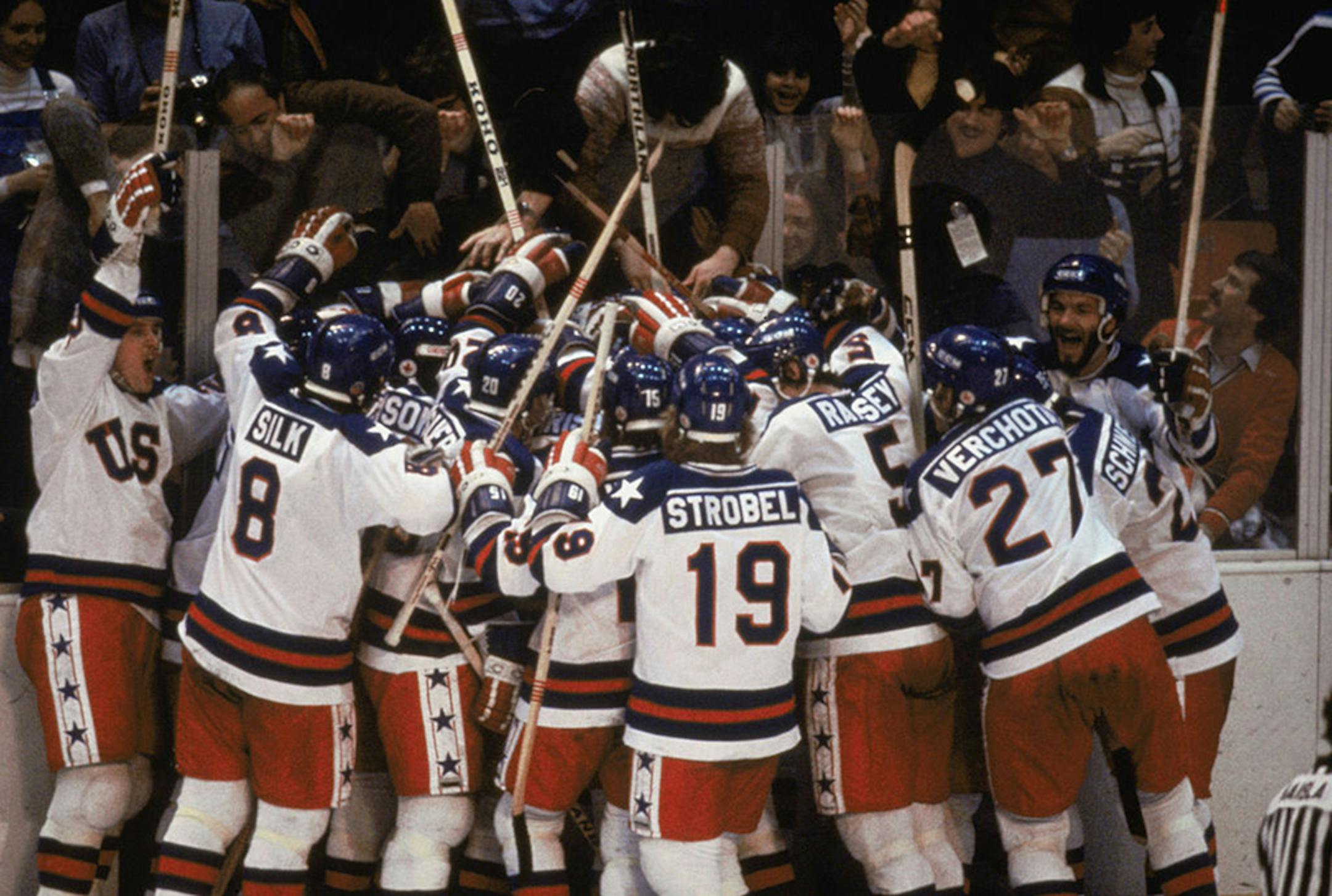
In February, Americans celebrated the 40th anniversary of the "Miracle on Ice," when the American hockey team beat the heavily favored Russians and then Finland to win the gold medal at the 1980 Winter Olympics in Lake Placid, N. Y. My friend Herb Brooks was the coach. Herb's players all cited his loyalty to them and to the idea that they could win it all as the reason for what many call the greatest upset in sports history. This underdog hockey team became an American legend, all because of inexhaustible loyalty. Herb believed that blood makes you related, but loyalty makes you family.
In years past, when a person landed a "dream job," that person tended to stick around until the gold watch ceremony. That may have represented some level of loyalty, but, often, it was better described as longevity. A safe place, a comfortable situation. Loyalty to the organization was assumed.
Today, it's more challenging to build loyalty when employees move around so much. But loyalty is always important. I still believe a person can job-hop regularly and maintain tremendous loyalty to the company that they represent.


