

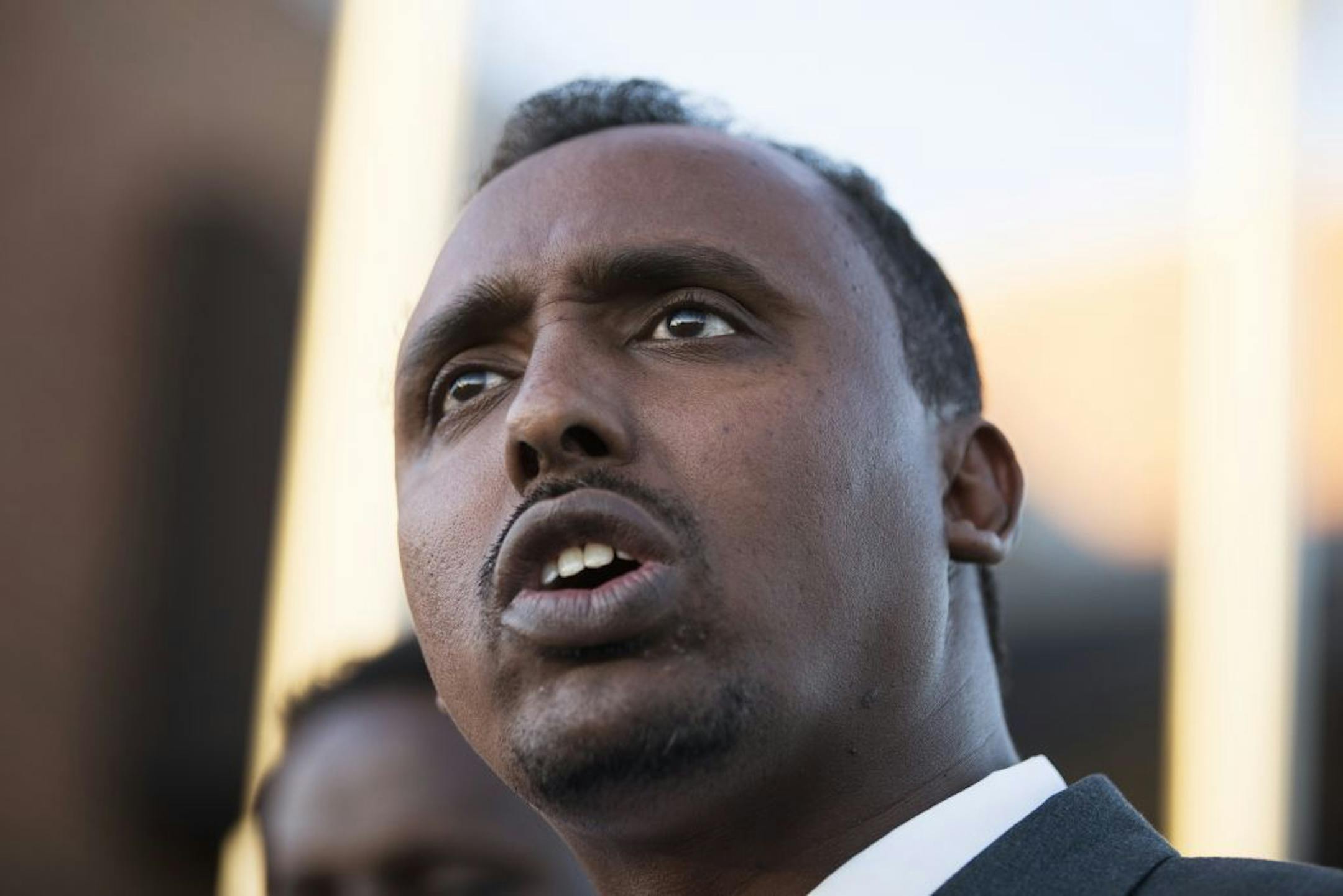
Abu Talib Ali, a Sudanese lawyer turned wheelchair attendant at Minneapolis-St. Paul International Airport, lent his story earlier this year to legal challenges to President Trump's executive order pausing refugee resettlement and travel from six countries.
On Monday, Ali joined supporters and opponents of the order in parsing a key Supreme Court decision: The court will weigh in on the order this fall, meanwhile allowing it to go into effect — but only for travelers without a "bona fide relationship with a person or entity" in the United States.
Some Minnesotans on both sides of the issue declared the ruling a partial victory — even as they predicted confusion and legal wrangling over the court's exact intent.
Those supporting the travel ban order said the decision largely vindicated the president in his bid to suspend the arrivals of refugees and visitors from six countries as his administration rolls out more stringent vetting. Others pointed out that the great majority of refugees and travelers from the six Muslim-majority countries coming to Minnesota do have family or other ties to the state, so few would be affected by the order set to go into effect Thursday.
"I could tell my clients to relax, at least for the next few months," said Abdulwahid Osman, a Somali-American immigration lawyer in the Twin Cities.
But immigrants such as Ali, who contributed to an amicus brief opposing the order, still worried about reuniting with relatives and traveling overseas — though a revised version of the order specifically excludes green-card holders like him. The Supreme Court decision came after two federal appeals courts blocked the order, which suspends the arrival of refugees for four months and of visitors from Somalia, Syria, Iran, Sudan, Yemen and Libya for 90 days.
Osman spent Monday morning fielding calls from clients anxious about the implications of the Supreme Court ruling. Many are in the process of sponsoring family members for travel visas or green cards. He quickly posted a lengthy explanation of the decision in Somali on his Facebook page, deeming it mostly good news for the local community.
"This decision will impact a very narrow slice of Somalis looking to travel to Minnesota," he said.
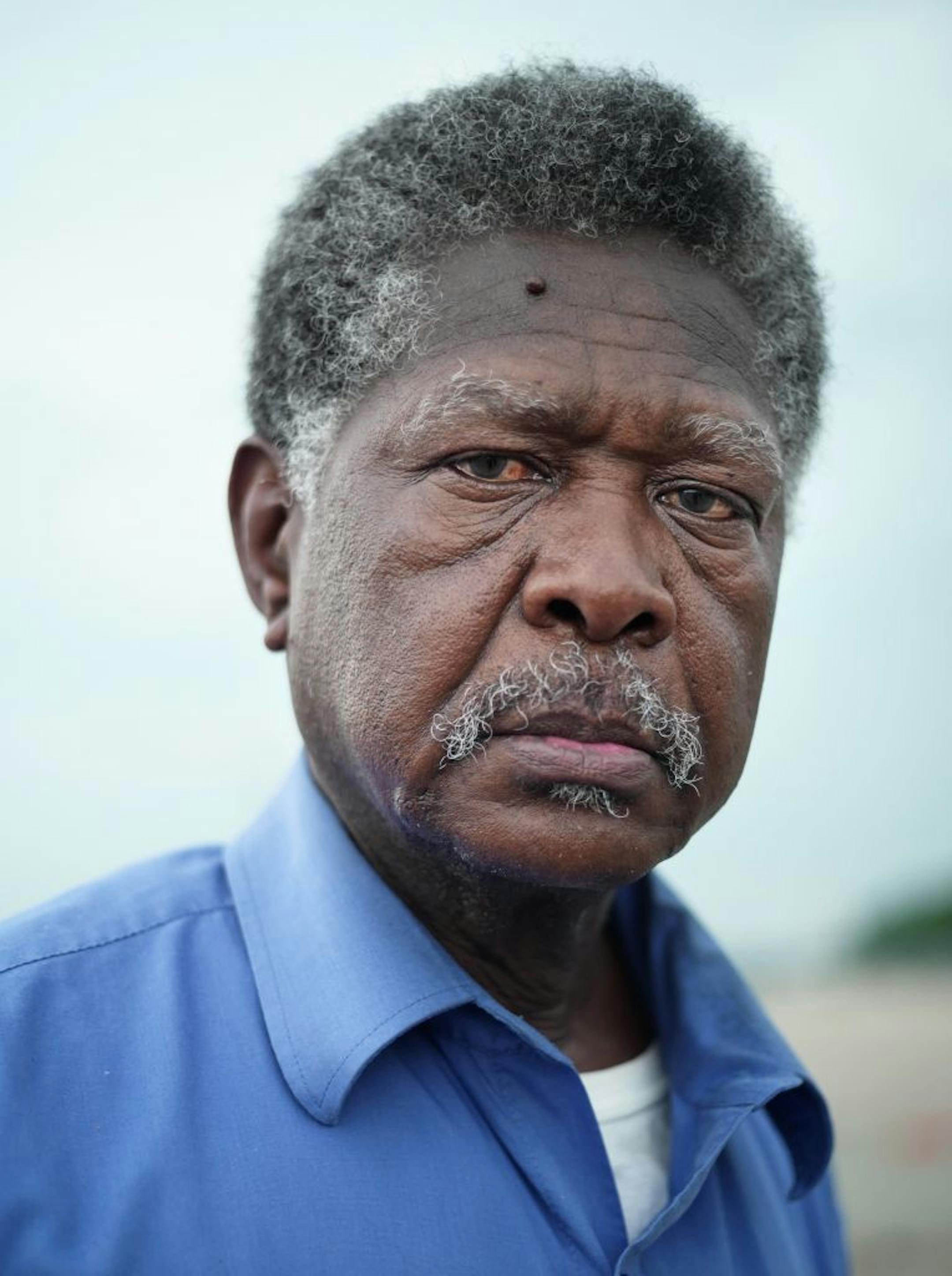
![Abu Talib Ali, a former lawyer from Sudan, and several other Minneapolis St. Paul Airport workers wrote an amicus brief in support of two legal challenges to President Trump's executive order on travel and refugee resettlement.] Richard Tsong-Taatariiïrichard.tsong-taatarii@startribune.com](https://arc.stimg.co/startribunemedia/BKV62L5DUJ7XDJ7USKWSIWNKLQ.jpg?&w=1080)


