

Business Review from the Economist
Bank of England cuts key rate to near zero
The Bank of England cut its benchmark interest rate for the first time since 2009, from 0.5 percent to 0.25 percent. The central bank had been charting a course to raise rates. But Britain's vote in June to leave the E.U. has brought economic uncertainties to the fore; one survey of business activity recorded its sharpest drop in 20 years.
Markets were unimpressed with a new stimulus package in Japan unveiled by Shinzo Abe, the prime minister. He announced $275 billion in measures to boost the anemic economy, though only a quarter of that is new government spending, mostly on welfare and infrastructure. The details are to be fleshed out later, but doubts remain whether long-term investments, such as in a maglev train line from Tokyo to Osaka, will be enough to speed a recovery.
European banks had a rocky week on the stock market. The results of the latest round of "stress tests" to determine the ability of lenders to survive a financial crisis weighed on investor sentiment. On average, the banks were deemed to be more robust than two years ago, when the previous round was conducted. But fewer banks from fewer countries participated; Cyprus, Greece and Portugal were excluded.
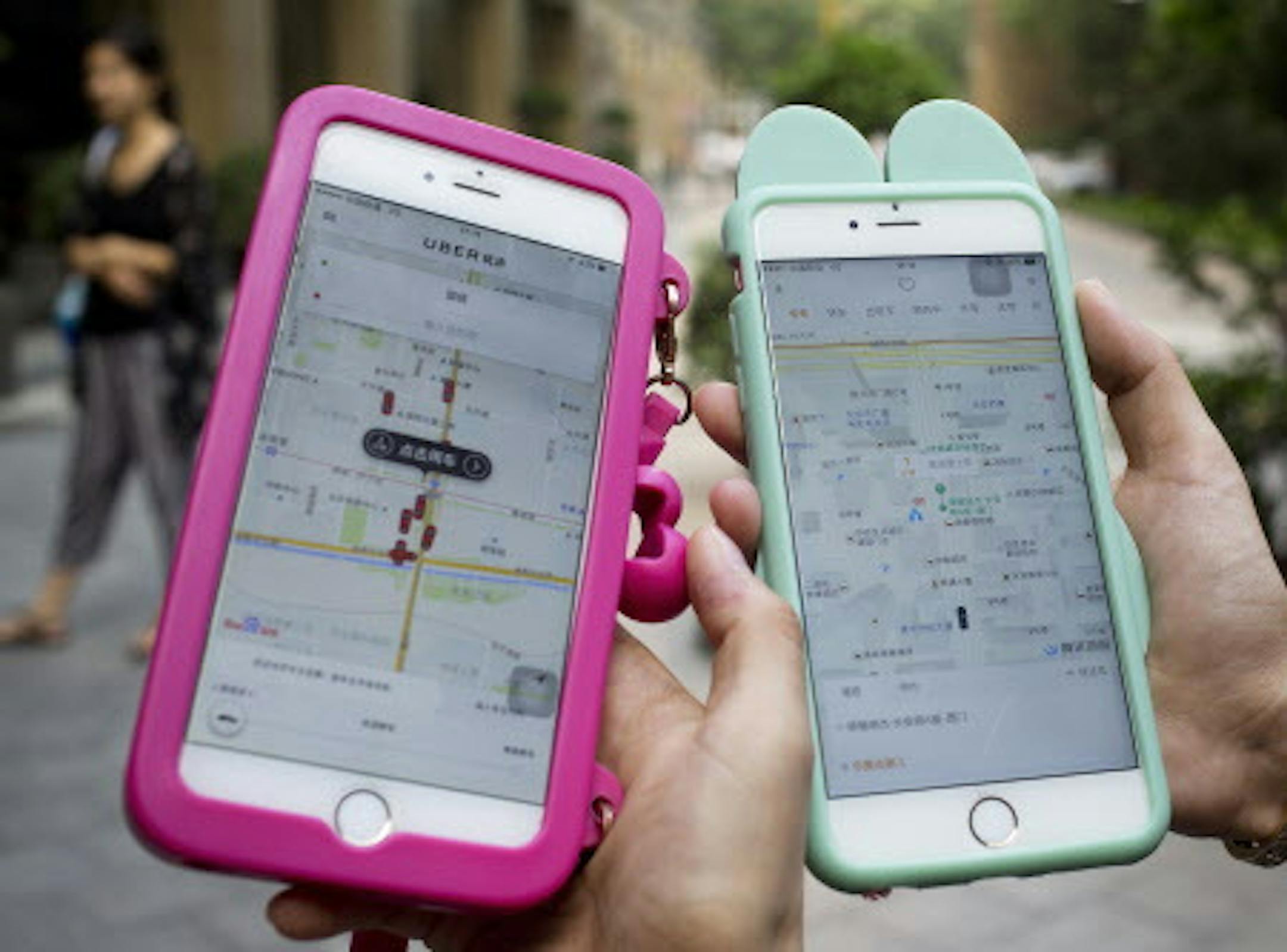
Uber reached a deal to sell its operations in China to Didi Chuxing, its archrival there, an acknowledgment that its expensive campaign to conquer the ride-sharing market in China is over. Uber is taking a 17.7 percent stake in Didi as a consolation prize. Passengers and drivers may be the biggest losers. Uber and Didi spent billions of dollars on discounting rides in their competition for market share, but Uber's discounts reportedly dwindled this week and fares soared.
In an all-share deal that has raised questions about possible conflicts of interest, Tesla Motors agreed to buy SolarCity, a solar-power company, for $2.6 billion. Elon Musk is the chief executive of Tesla and the chairman of SolarCity, holding around a fifth of the shares in both companies. The ebullient Musk described those who have concerns about the merger as "silly buggers."
Qatar Airways revealed that last month it raised its stake in International Airlines Group, the parent company of British Airways, from almost 16 percent to 20 percent. The Qataris took advantage of IAG's cheaper share price, which plunged after the referendum in Britain on leaving the European Union and a weaker pound.
Kevin Roberts decided to resign as chairman of Saatchi & Saatchi, a British advertising agency, after he was roundly criticized for saying that female executives in the industry lack "vertical ambition." Roberts left the firm speedily in the ensuing media storm, following at least one of his favorite leadership maxims; "Fail fast, fix fast, learn fast."
The Federal Aviation Administration approved the first request by a private firm for a mission to the moon. Moon Express hopes to launch a small spacecraft with no crew in 2017. Under the Outer Space Treaty of 1967, private firms must request such permission from national regulators.


