

The Ebola outbreak in West Africa appears close to its end. Earlier this month, Liberia was declared Ebola-free, and the World Health Organization reported only seven cases in Guinea and two in Sierra Leone in the first week of May. What's received less notice is that the older and more-persistent infectious scourges of Guinea worm and polio are also both disappearing — and may soon follow smallpox (eradicated 35 years ago) into the burn bag of history. Other infections, including measles and malaria, may follow.
These eradication efforts represent genuine and largely unheralded breakthroughs, not just for Africa but for the planet as a whole. At the same time, these gains are fragile. If governments misuse disease-fighting tools, deaths from infection could surge again.
It has been more than six months since Africa has seen a single case of polio, a disease that used to cripple hundreds of thousands in outbreaks worldwide. The Guinea worm, which grows to as much as 3 feet in length inside victims, causing debilitating pain and increasing the risk of bacterial infections, has been reduced by 99.9 percent over the past couple of decades. In 2014, there were only 126 cases worldwide, contained to 30 endemic villages in four African countries.
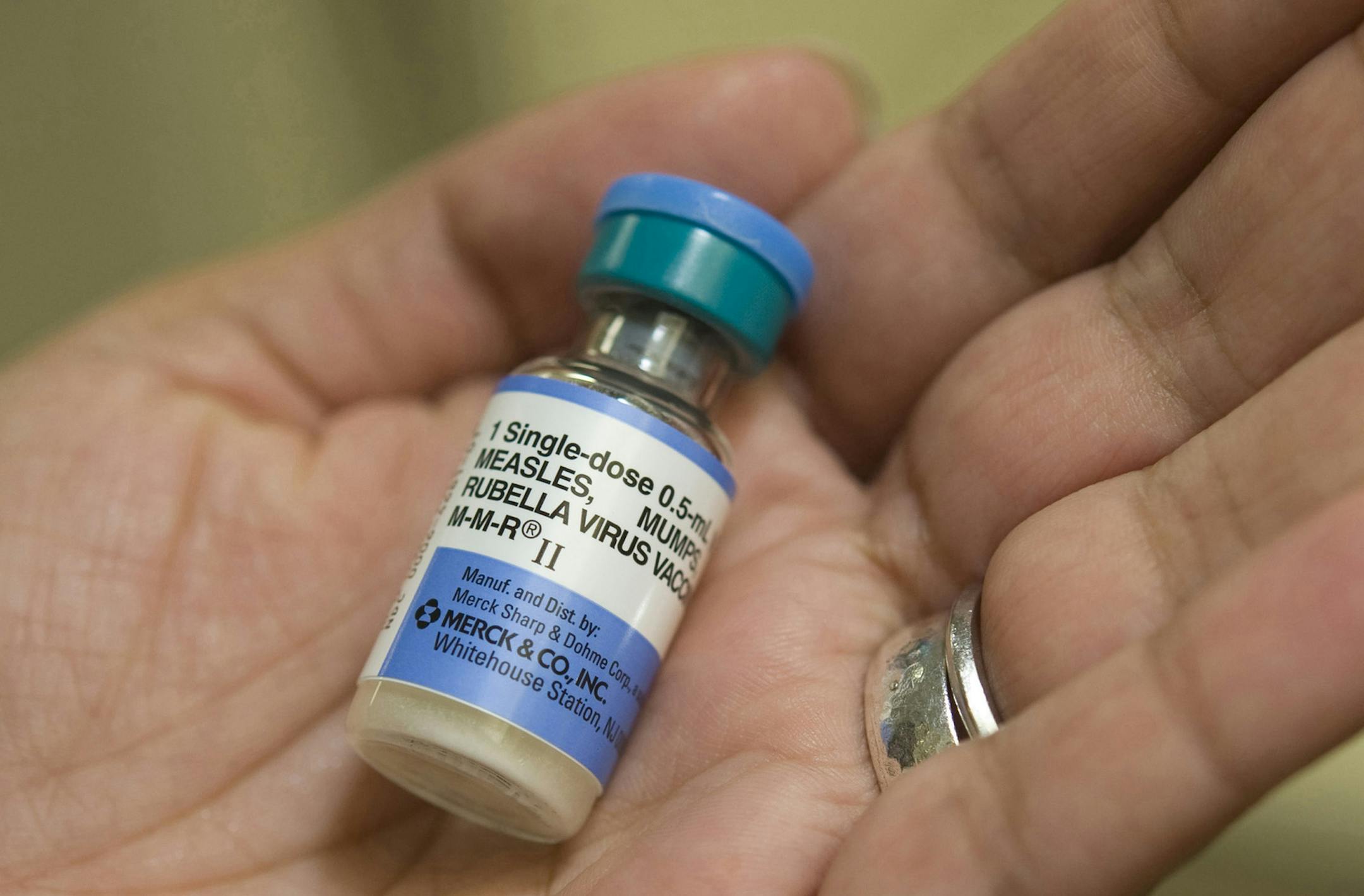
Other killers are potential candidates for eradication. At the end of April this year, rubella — a disease that can cause birth defects or infant death if caught by pregnant mothers — was declared eliminated from the Americas. Rubella (commonly known as German measles) is easily prevented by the MMR vaccine, which also protects against mumps and measles — itself close to extinction. Half a million people died worldwide from measles in 2000, but that dropped to 146,000 in 2013. The World Health Organization has concluded that it could be wiped out in time and that domestic cases of the disease could drop to zero for much of the world as soon as 2020.
The Global Health Group at the University of California, San Francisco, suggests that malaria eradication may be possible, as well. The parasite, spread by mosquitoes, causes debilitating fever and, in some cases, leads to kidney failure, coma and death. In 1900, almost every country worldwide suffered from malaria; today it has been eliminated in 111 countries. Thirty-four more are making progress toward elimination, with the number of cases dropping by 85 percent in those countries since 2000.
But the first global efforts at malaria eradication also point up the risks associated with such campaigns: Failure can make future control efforts more complex. The World Health Organization launched a Global Malaria Eradication Program in 1955. While some countries did become permanently malaria-free as a result, others saw increased parasitic resistance to treatment by the drug chloroquine and mosquito resistance to DDT. As eradication efforts stalled, the number of victims surged. The campaign was abandoned in 1969.
We are in a better position to eradicate malaria today than we were in the 1960s. Disease surveillance and the reach of public health networks worldwide have dramatically improved since then. There are also hopes for a malaria vaccine. But in South East Asia, malaria has begun evolving resistance to artemisinin, today's first-line drug of choice for treating the disease, just as it developed resistance to chloroquine. The mosquitoes that carry malaria are developing resistance to the insecticides used to treat anti-mosquito bednets, just as many developed resistance to DDT in the past. A halfhearted global effort against malaria risks the resurgence we have experienced before.
The same applies to other diseases. The risks are enhanced by the misuse of drugs, which speeds the development of resistance: massive overprescription of antibiotics (including to promote growth in livestock) and pills manufactured with too little of the active ingredient or used after their effectiveness has begun to degrade. In more than half of the antimicrobials tested in developing countries, for example, what is in the pills does not match what is indicated on their labels.


