

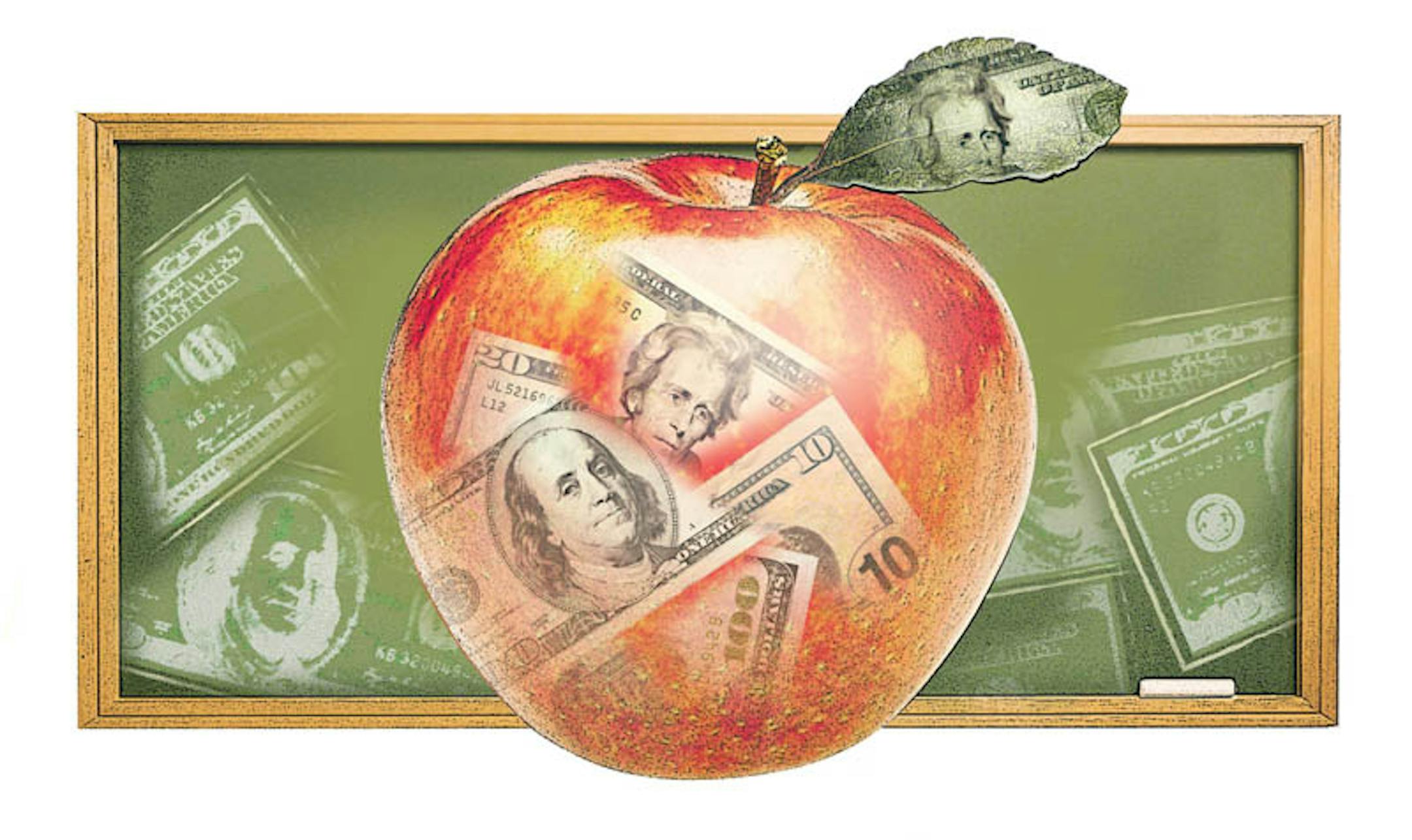
When I tutor kids at public schools in St. Paul, I'm always cheered by their buoyant eagerness to learn. But I'm equally impressed by the earnest and optimistic attention to improving results that I see from dedicated, overworked teachers and principals -- most of them presiding over a microcosmic United Nations melting pot every day.
I spend much of the rest of my time among (mostly) older, white policy wonks, elected officials and various other elites. Too many of them still subscribe to a badly shopworn wisdom that public education has become a budgetary "black hole," draining an ever larger share of our tax dollars while failing to produce the results we need for a smarter workforce.
We all have an irritating personal anecdote or two about public school bureaucracy or a bad teacher. And this fall we were treated to yet another Hollywood movie, "Won't Back Down," focusing on dysfunction in a fictional urban school.
Let's be clear: We must continue to address these worst-case failures and drive toward effective redesign and innovation, especially to address the stubbornly disappointing numbers for poor kids of color. The status quo is unacceptable.
But in seeking to reconcile anecdotal experience with broader policy reality, it always helps to step back, suspend both blind faith and cynical anger, and actually look for the data.
On the bottom lines of price, costs and outputs, three megatrends contradict the notion that Minnesota public schools are failing their huge complement of some 830,000 students. The megatrends show that over the last 10 to 20 years, with (1) a smaller percentage of our dollars and (2) a much poorer and costlier student body, public schools in Minnesota have (3) held their own and even slightly improved at least some test scores.
A case could be made that our schools are not failing at all but performing heroically.
* * *


