

There is a phrase in Korean: "Begun is half-done." It means when tackling a difficult task, half of the battle is getting started.
Despite the many warts in President Donald Trump's unconventional diplomacy toward North Korea, we have to give him credit. Only five months ago, based on my conversations with this administration, I thought we were headed down an inexorable path toward a devastating war.
A military attack would not have ended North Korea's nuclear weapons program. Instead, it would have resulted in a war — with hundreds of thousands of deaths in Japan and South Korea, including thousands of Americans — that the U.S. would have won but with horrible costs.
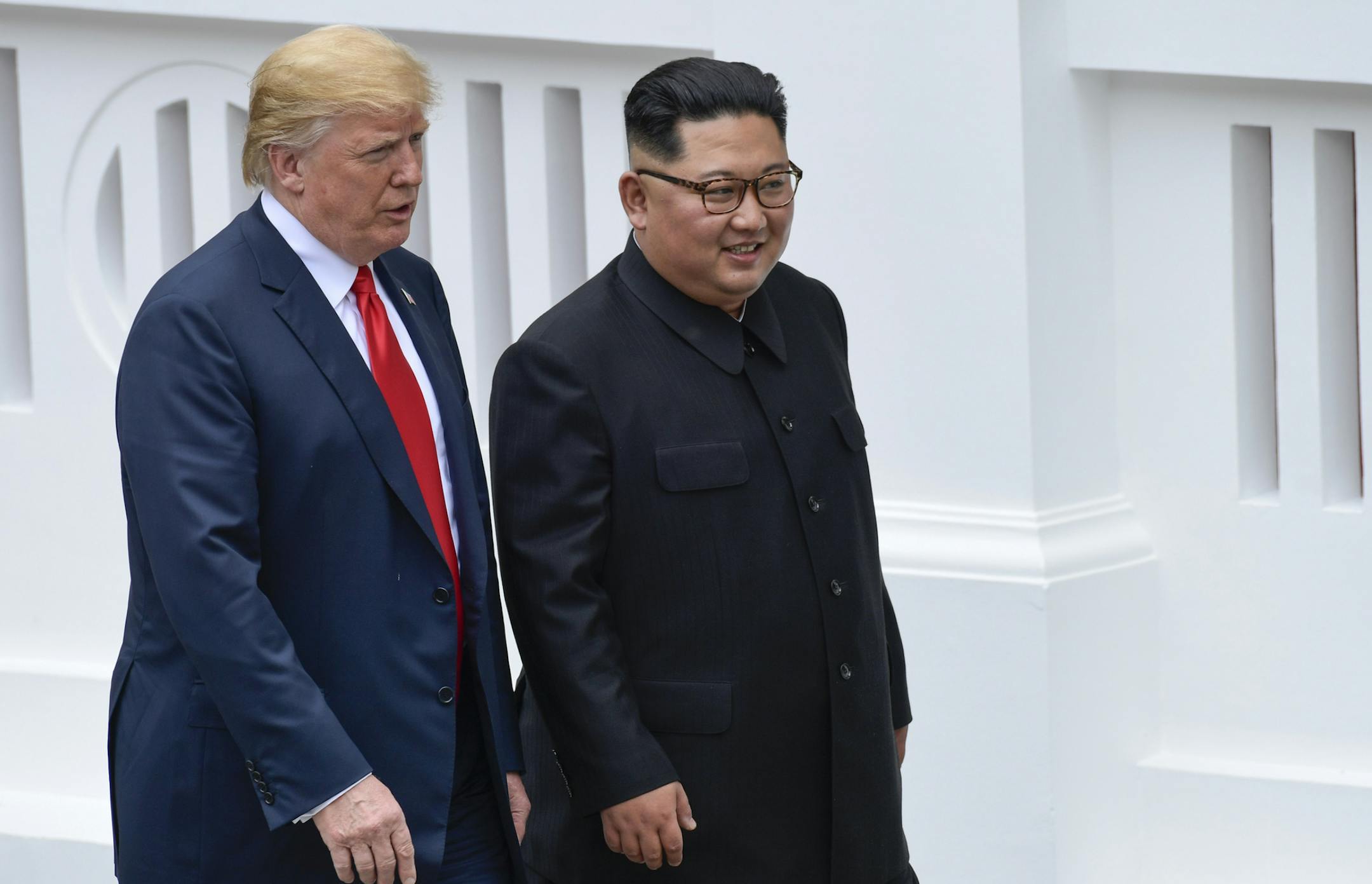
Thanks to the creative Olympics diplomacy from President Moon Jae-in of South Korea, which teased the North Koreans out of their self-imposed isolation, and Trump's impulsive decision to meet with the North Korean leader, Kim Jong Un, the world witnessed a historic meeting on Tuesday between two countries that have been sworn enemies for almost seven decades.
Kim arrived early for the summit meeting as a sign of respect for his counterpart, who is more than twice his age. Trump played the role of the elder host, gently guiding Kim to the meeting room, showing him his limousine and reporting to the news media about the good-natured flavor of the meetings. Those personal touches in summit diplomacy can create unique opportunities for trust-building that a normal diplomatic démarche cannot.
To be sure, the joint statement that Trump and Kim released after their meeting left a lot to be desired. Kim did not commit to verifiable and irreversible dismantlement of North Korea's nuclear programs. Trump gave props to a dictator who, according to the United Nations, belongs in a docket before the International Criminal Court for crimes against humanity. Trump surprised his South Korean ally by announcing that he would cancel joint U.S.-South Korea military exercises that help to keep the peace on the Korean Peninsula. The photo opportunity of a face-to-face meeting with the leader of the free world is the ultimate legitimizer for this nuclear rogue state.
Yet, in the case of North Korea, there are never good policy options — there are only choices between the bad and the worse.
Trump's diplomacy, however unconventional, has pierced the isolation bubble of the North Korean leadership, which no previous president could do. The Singapore meetings will be remembered in North Korea's domestic narrative as Kim's coming-out party as the leader of the world's newest nuclear-weapons-armed state. But the U.S. has set the agenda for next steps, with follow-up talks led by Secretary of State Mike Pompeo. And Trump has implicitly set the autumn as the first deadline for some deliverables with the promise of an invitation to the White House, presumably on the sidelines of the U.N. General Assembly in September.


