

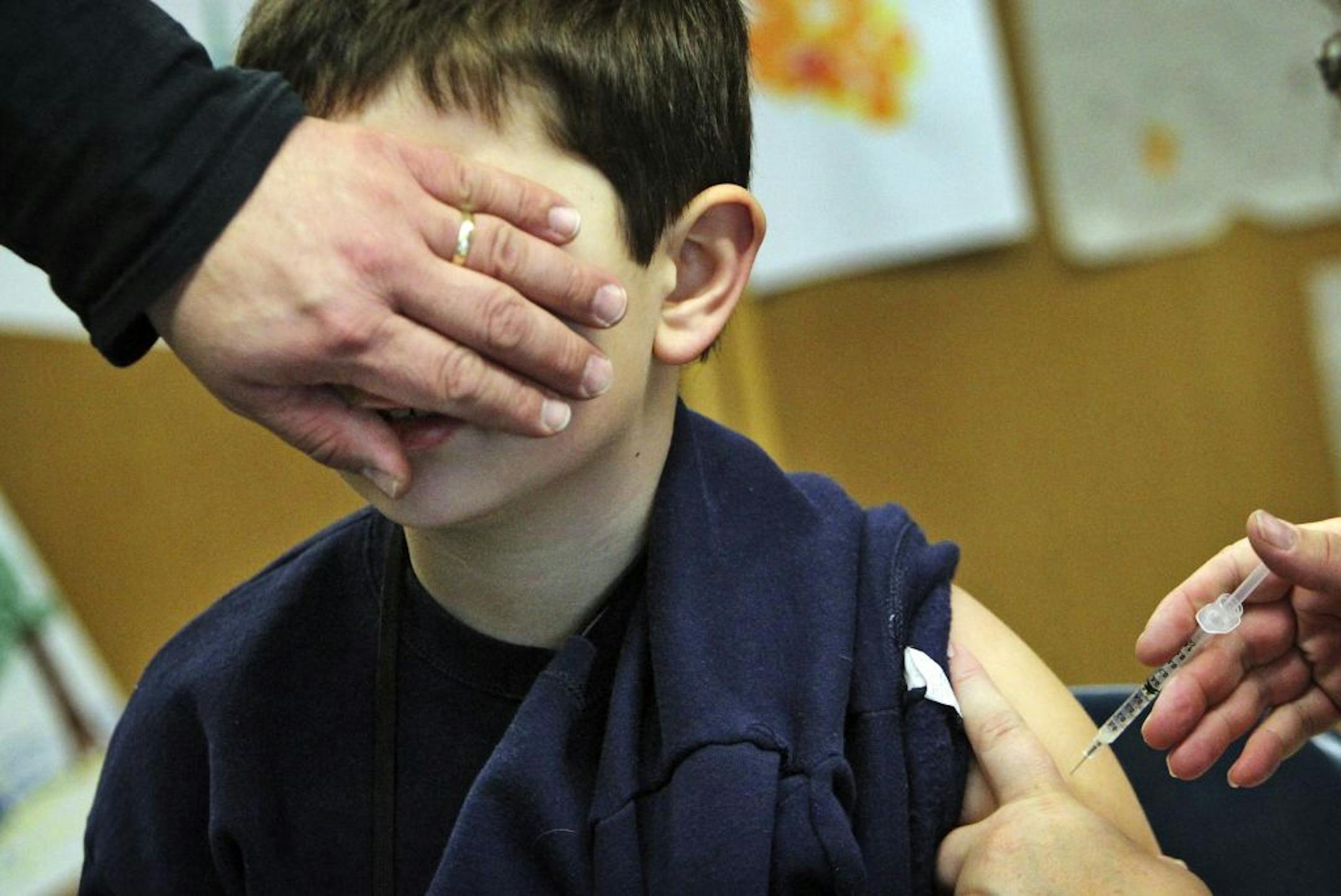
The flu shot, it might be said, is the black sheep of the vaccine family. In good years, people ignore it because they think the flu is no big deal. In bad years -- like this one -- they complain that it doesn't work well enough.
But the biggest problem, says Dr. Gregory Poland, a leading vaccine researcher, is that scientists are still scrambling to understand the elusive virus and come up with a better alternative. And that means that every flu season, officials confront the challenge they're facing this year as deaths and hospitalizations mount: pleading with the American people to rally behind their best line of defense.
"Like every single man-made product, influenza vaccine is imperfect," said Poland, head of the Vaccine Research Group at the Mayo Clinic. "But I liken it to seat belts. Who would want to be in a crash without a seat belt?"
The truth is that the flu shot, with all its imperfections, is as vexing to scientists like Poland as it has been to the general public.
On Friday, federal officials estimated that this year's flu vaccine is only about 60 percent effective. That's better than nothing, notes Dr. Edward Ehlinger, the Minnesota health commissioner. But, he admits, "I think we're all in agreement that we need a much better vaccine."
The flu vaccine, Ehlinger said, never has been "one of the star performers."
University of Minnesota scientist Michael Osterholm is even more blunt, calling the flu vaccine "overpromoted and overhyped."
Osterholm, a former Minnesota state epidemiologist, hastens to point out that he and his family still get flu shots. But his research suggests that, over time, the vaccine has worked on little more than half of adults under 65, and offered little if any protection to those most at risk -- the elderly.


