

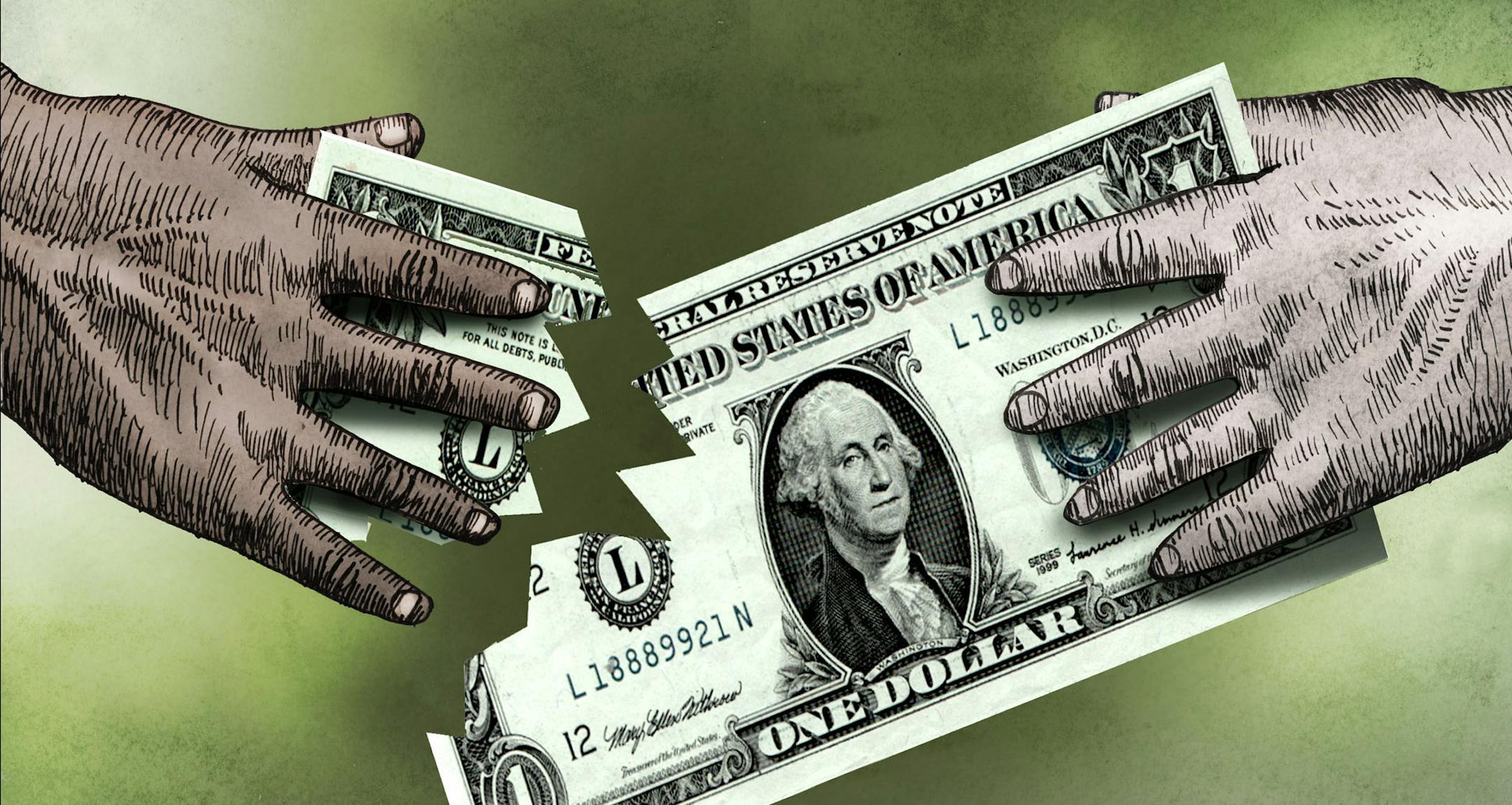
A recent Star Tribune headline declared that Minnesota and the Twin Cities suffer from the nation's largest racial gaps in homeownership. It's the latest in a drum roll of grim news accounts of wide race gaps here — in educational attainment, in unemployment, in health outcomes, in incarceration rates, and in just about everything else that matters.
Apart from the misery these gaps beget in real lives, and apart from the rank injustice they reflect, this is all just wretched PR for our fair cities. It's bad for business.
Most everybody of goodwill agrees that we must close these disparities, starting with jobs and workforce readiness, for practical economic reasons as well as moral ones. This consensus is joined not just by civil-rights, nonprofit, government and religious leaders, but increasingly by Twin Cities business leaders.
Awareness is coming together with special urgency because Minnesota is undergoing one of the nation's most dynamic diversity transformations — call it a diversification. And, it's accelerating.
Less than 3 percent of Old Minnesota (those over 85) is nonwhite. More than 30 percent of Young Minnesota (those under the age of 5) is of color. If we don't start closing racial gaps soon in education and workforce participation, the disparity will eat away at the broad prosperity and quality of life built by Minnesota's mostly European (but quite diverse) immigrant mosaic in the 20th century (after, of course, they had displaced and mistreated the original Native American populations).
We have less consensus about precisely why this gap exists in a progressive state — about who's to blame and how to fix it. Accepting complexity and contradictions behind the "why" is advisable. And we can be certain that solutions will be complicated and multifaceted, too, perhaps even expensive. But that must not detract from our resolve to narrow these gaps.
Diverse causes
Racial bias must be admitted and faced head-on. As Minnesota has been transformed over the last 40 years from 98 percent white to a more cosmopolitan colorfulness, we've all winced on hearing otherwise decent Minnesotans imply that "they" are just too "different." In our Upper Midwest parlance, that translates more or less to "inferior," and at least implies something like an inevitable apartness, a separate fate.
As sources in the Star Tribune's article on homeownership explained, bias and discrimination are as real, not imagined, in the Twin Cities and Minnesota as they are across our nation. Studies consistently show that even among whites and blacks with the same education and training, significant disparities exist in hiring and employment levels.


