

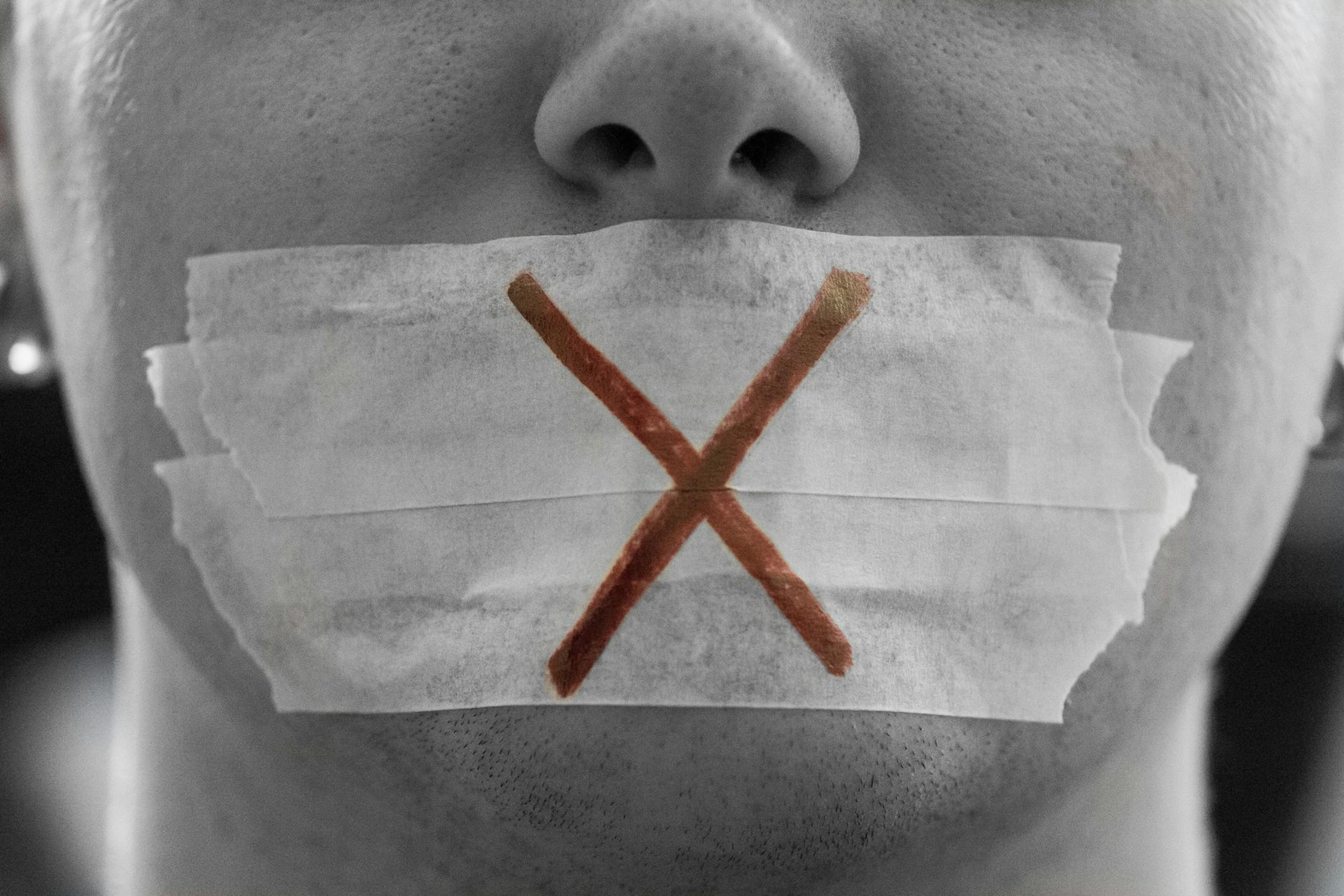
Free-speech rights are under fire. Police lob rubber bullets and tear gas at protesters. The Trump administration and Congress are moving to hold internet companies liable for user content. Court battles rage over the publication of books criticizing the president. Individuals are shunned or forced out of their jobs for racist social-media posts. While many people know that free speech is enshrined in the First Amendment, there's a lot about it that many still misunderstand.
Myth No. 1: Speech cannot cause harm by itself.
The schoolyard chant "Sticks and stones may break my bones but names can never hurt me" reflects an ingrained belief that words do not inflict lasting harm. In "The Coddling of the American Mind," Jonathan Haidt and Greg Lukianoff dispute the notion that speech can "trigger" students or make them feel "unsafe." The head of a leading British girls school recently dismissed, in the Sunday Times, students concerned about objectionable speech as "victims of a mad health and safety culture that has made them unable to deal with anything difficult."
While they are categorically different from bodily harms, the hazards of speech are real; words can inflict genuine and lasting wounds. Online speech, including harassment and cyberbullying, can drive individuals to self-harm or suicide. Microaggressions — fleeting, often unintentional insults or slurs based on race, ethnicity, gender or religion — can, over time, have effects similar to those of serious trauma. Speech should not be equated with physical violence, but at its most extreme, hateful speech can be an instigating prelude to violence, riling people up to commit crimes.
Myth No. 2: Government prohibitions can suppress hateful ideologies.
With rising incidences of hate-motivated crimes in the U.S. and hateful speech proliferating online, there are increasing calls for the government to tamp down on bigoted expression. In a Washington Post commentary, Richard Stengel pushed for state governments to adopt hate-speech statutes to "curb the incitement of racial and religious hatred." Critical race theorists have long argued that reinterpreting the First Amendment to allow for more robust regulation of hateful speech would help ensure a more tolerant and equal society.
But recent history indicates that such legal prohibitions are ineffective in stamping out bigotry. In the U.S., Holocaust denial and anti-Semitic vitriol, among other categories of hateful expression, are protected speech; Germany bans such sentiments. The Anti-Defamation League reported a disturbing 12% rise in anti-Semitic hate crimes in the U.S. from 2018 to 2019, and Germany's Interior Ministry recorded an almost identical jump of 13% in the same time frame. Meanwhile, the European Union's efforts to expunge hateful speech from online platforms have driven its purveyors underground, to shadowy niche sites and networks where they can recruit while shielded from the prying eyes of law enforcement.
There is also evidence that authorities can use hate-speech laws not to silence prejudice but rather to suppress dissenting views, such as support for Palestinian rights or antiwar activism. At a moment when democratic governments — including in India, the Philippines and Hungary — are showing increasing hostility to dissent, expanding state leeway to suppress speech is risky.
Myth No. 3: The best remedy for disfavored speech is more speech.
The notion that the ideal antidote to menacing or harmful arguments is better arguments was set forth by Justice Louis Brandeis in his concurrence in the 1927 case Whitney v. California, where he argued that the best response to communist propaganda was "more speech, not enforced silence." More recently, in her 2018 book, "Hate: Why We Should Resist It With Free Speech, not Censorship," law Prof. Nadine Strossen made a forceful case that hateful and "extremist" speech is "most effectively 'undermined' by counterspeech."
Debate, rebuttals and denunciations are almost always preferable to government prohibitions on offending speech. But the internet age has demonstrated that fighting speech with speech has its own perils. Research shows that efforts to refute conspiracy theories and disinformation can end up amplifying the original falsehoods. In other instances, counterspeech can itself veer into hatred, or incur such high costs that it mutes speakers: When, in 2014, women criticized sexism in the video-game industry, the avalanche of hostile and menacing retorts, including threats of physical harm, forced some to flee their homes and intimidated others into silence. Offline, demonstrations that drown out a speaker become a heckler's veto, depriving audiences of a chance to listen — and sometimes prompting authorities to shut down the exchange for fear of a melee.


