

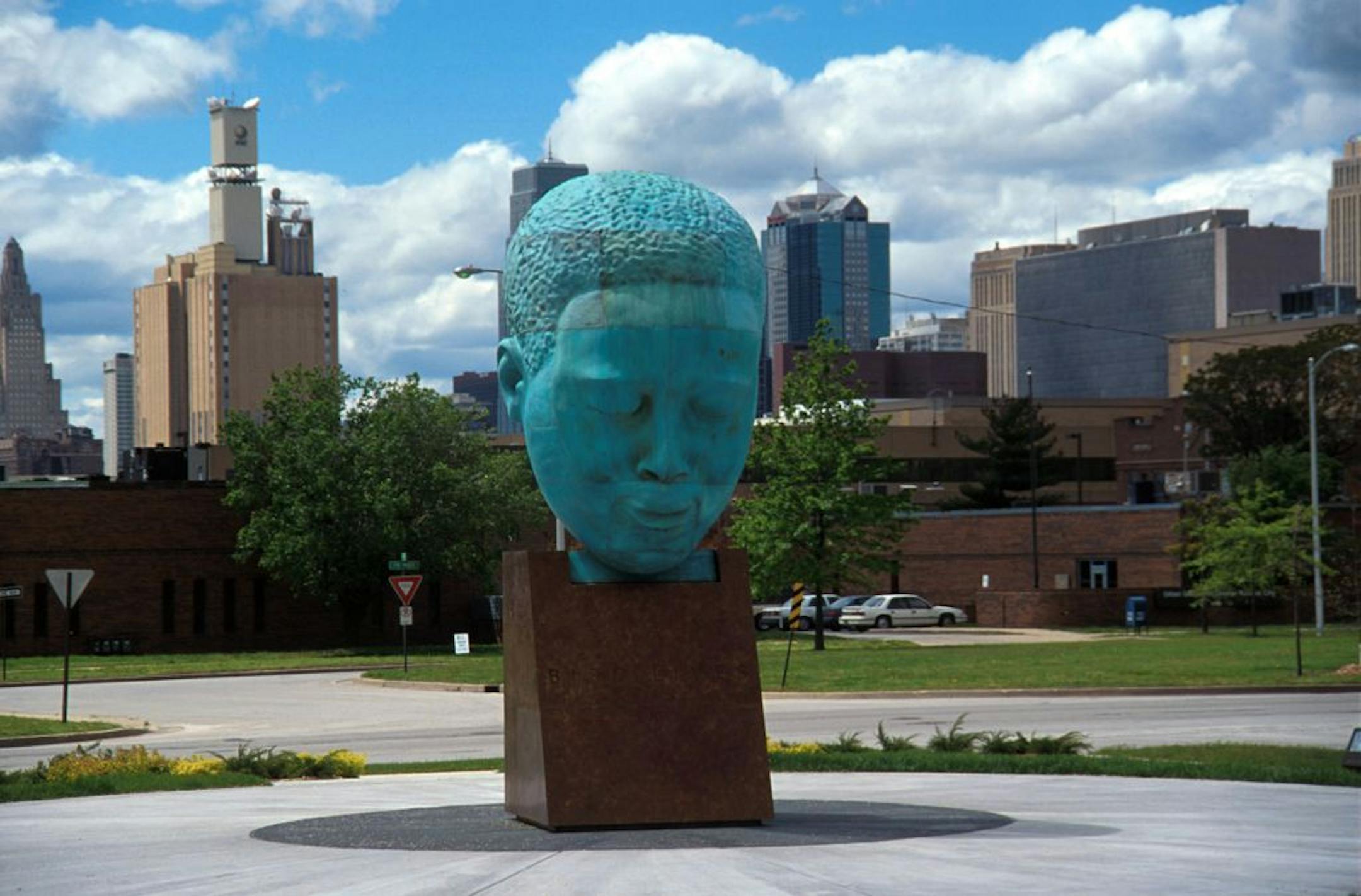
At one moment, I was immersed in the intrigue of sunken treasures recovered from a 19th-century "floating Wal-Mart." At the next, I became overcome with emotion -- tears, laughter, angst -- at the beautifully designed Negro Leagues Baseball Museum.
Kansas City, Mo., also chronicles the fascinating history of American jazz and World War I and showcases fine art and architecture. You'll also find the best barbecue outside of Texas.
THE BASICS
Kansas City offers an array of enticements. A $5 billion investment has re-energized the city's inner core, especially the Power & Light District, an eight-block dining and entertainment hub.
WHAT TO DO
There was never any debate that African-American baseball players hit, ran and fielded with equal or better abilities than their white counterparts. But not until 1945, when the Brooklyn Dodgers signed Jackie Robinson, were they allowed into the major leagues. The Negro Leagues Baseball Museum pays tribute to these gifted athletes, who didn't always toil in obscurity: The Kansas City Monarchs, where Robinson and legendary pitcher Leroy "Satchel" Paige played, frequently drew more than 40,000 fans, many of them white.
Exhibits and videos flank a circular walkway that surrounds the Field of Legends, where life-size bronze statues honor 12 Negro Leagues heroes. Visitors are purposely segregated from the field until they complete the tour.
The personalities profiled include a rookie for the Indianapolis Clowns who in 1952 answered to "Pork Chops," a nickname alluding to his favorite food. Unlike most Negro Leagues stars, Pork Chops eventually played in the major leagues where he became known as Hammerin' Hank Aaron. Even those not addicted to sports likely will be moved. (1616 E. 18th St.; www.nlbm.com)
Sharing the same building as the baseball shrine, the American Jazz Museum pays homage to Count Basie, Charlie Parker and other musicians who thrived in the city's 18th & Vine Jazz Historic District (1616 E. 18th St.; americanjazzmuseum.org).
Designated by Congress as the official National World War I Museum, this 80,000-square-foot tribute to triumph and sacrifice captivates with its exhibits, chronology walls and authentic objects that include a French-made Renault FT-17 tank, battle maps and a goose-bump-inducing large-screen film. The Liberty Memorial, which towers 217 feet above the ground, was dedicated in 1926 by President Calvin Coolidge to honor fallen soldiers. (1 Memorial Drive; theworldwar.org)


