Fed rate boost won't help savings accounts

March 14, 2017 at 11:54PM
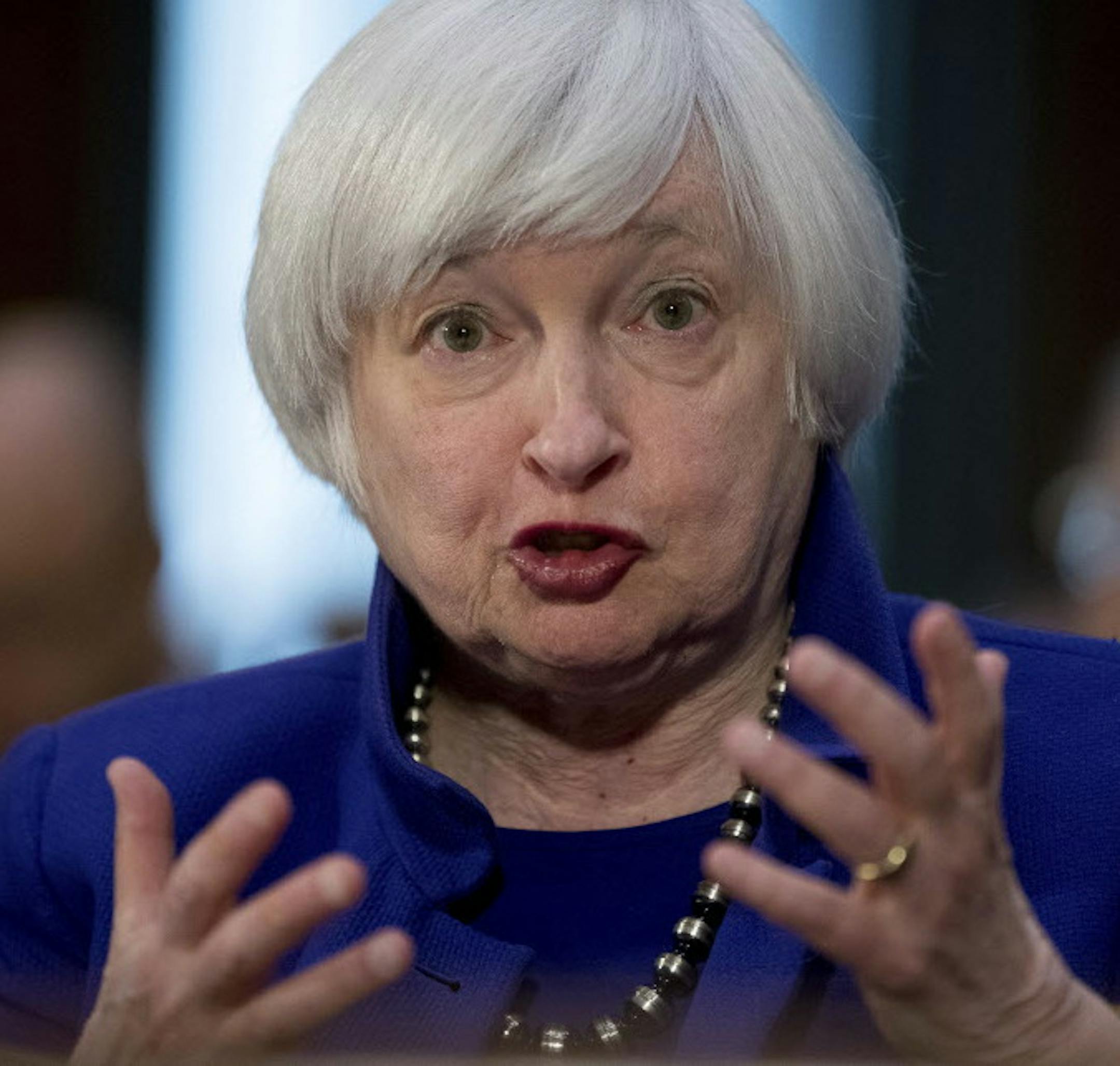
Federal Reserve Chair Janet Yellen testifies on Capitol Hill in Washington, Tuesday, Feb. 14, 2017, before the Senate Banking Committee. Yellen said that the central bank still expects to raise interest rates gradually this year. But she said the Fed also recognizes the dangers of waiting too long to tighten credit. (AP Photo/Andrew Harnik)
Federal Reserve Chair Janet Yellen testifies on Capitol Hill in February. (The Minnesota Star Tribune)

Fed's anticipated rate boost won't help paltry interest yields on traditional savings accounts

By Jonnelle Marte  • Washington Post

The Federal Reserve is widely expected to raise its benchmark interest rate by 0.25 percentage points on Wednesday, which would make it only the third such rate increase since the end of the financial crisis.

You have probably seen the anticipated increase affect the rates for credit cards, home equity lines of credit and other loans. But it may be a while before the Fed's rate increases start to make a difference in one key area of your finances: your savings account.

"People need to get used to the idea of [savings account] rates being low," says Alan MacEachin, a corporate economist at Navy Federal Credit Union.

In the past, Fed rate increases have meant better yields on savings accounts. The higher rates make it possible for banks and credit unions to charge more for loans, leaving them with more revenue that can be passed on to consumers in the form of higher yields on savings accounts.

But after the financial crisis, which made many consumers more nervous about investing or spending, many financial institutions are so flush with cash that they don't have much of a motivation to raise yields on savings accounts, said Sean McQuay, a credit and banking expert with the personal finance website NerdWallet.

Although some firms have started to pass those higher rates on to savers, the Fed might have to raise rates a few more times before better yields on savings accounts become the norm, McQuay said.
Yields on savings vehicles, such as money market accounts, CDs and traditional savings accounts, have stayed relatively flat since December 2015, when the Fed first began raising interest rates after the crisis.

As of last Wednesday, the average yield on money market accounts was 0.11 percent, according to the financial website Bankrate.com.

In contrast, consumers are being squeezed by higher rates on credit and other variable loans, which are affected directly by a Fed rate increase. For example, average credit card rates increased to 16.26 percent last week from 15.77 percent in early December 2015, according to Bankrate.com.

The average rates for home equity lines of credit, which are also directly affected by the Fed, have increased to 5.15 percent from 4.75 percent in that same time period.

Even after more banks start to offer higher savings rates, we are "light years" away from seeing the generous yields of 5, 6 or 7 percent on five-year CDs that were common during the 1980s and 1990s, said Greg McBride, chief financial analyst for Bankrate.com. "It's going to be a long, tough slog," he said, adding that the Fed is expected to move slowly.

Until then, people will generally need to save more, or wait longer, to make up for the lower yields.

Some consumers may need to invest in stocks and bonds — and face more risks — if they want to earn higher returns, said Clinton Key, a research officer for Pew Charitable Trusts.

That may not be a problem for people saving for long-term goals, such as retirement, and who have plenty of time to recover from any losses.

But some people in or near retirement, as well as those saving for a near-term goal, such as a down payment for a home, may not be good candidates for that kind of risk, Key said.

It may be smart to shop around with community banks, credit unions and online savings accounts to get the best yields for a savings account, McQuay said. For example, some online banks can offer savings yields close to 1 percent, compared to the typical yield of 0.01 percent offered on savings accounts from traditional banks, he said.


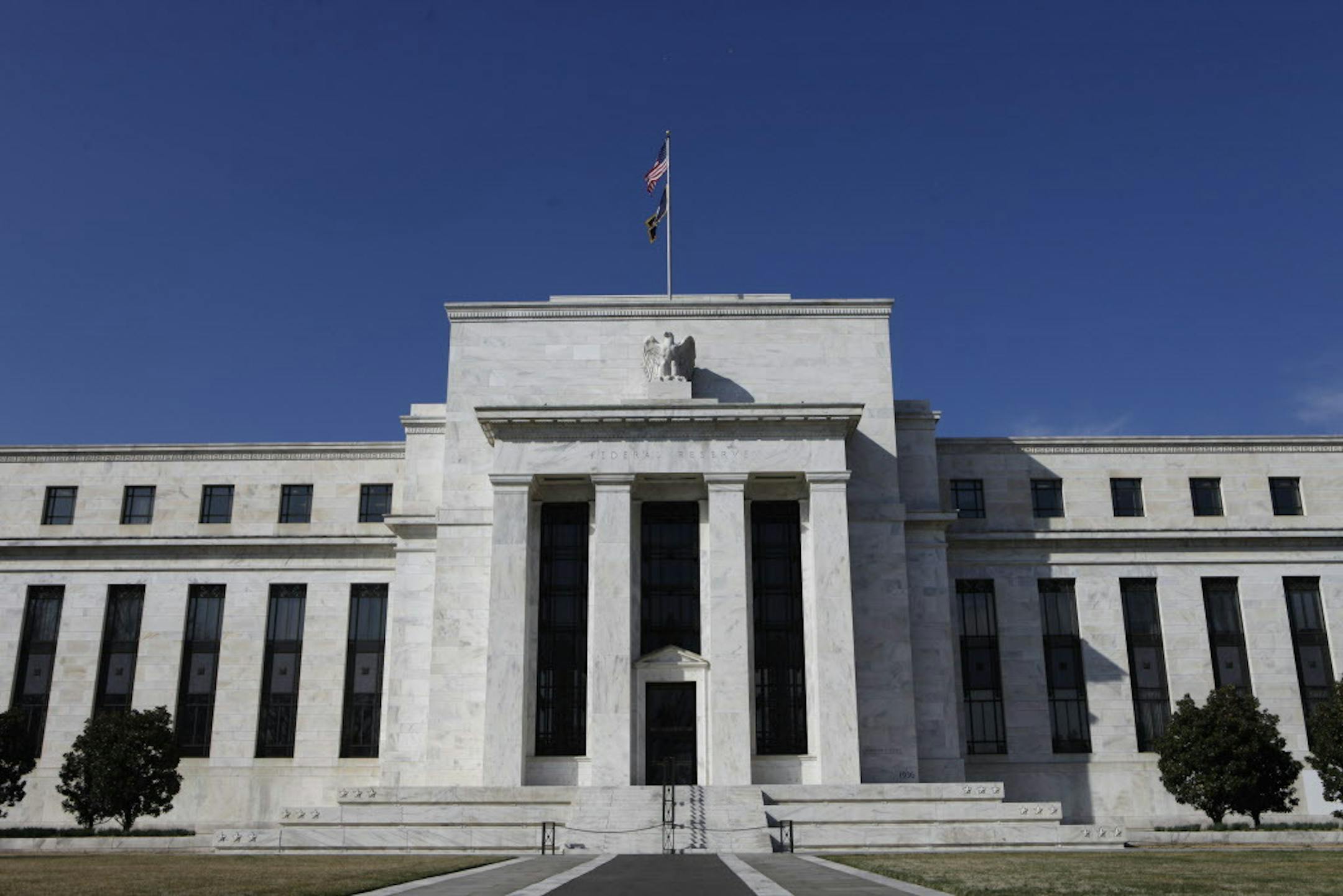
The Federal Reserve building is seen in Washington, Wednesday, March 18, 2009, after it announced that it will spend up to $300 billion over the next six months to buy long-term government bonds, a new step aimed at lifting the country out of recession by lowering rates on mortgages and other consumer debt. (AP Photo/Charles Dharapak)
The Federal Reserve building in Washington. (The Minnesota Star Tribune)
Old bank sign engraved in stone or concrete above the door of financial building concept for finance and business
Old bank sign engraved in stone or concrete (The Minnesota Star Tribune)
(The Minnesota Star Tribune)
Photos by ANDREW HARNIK • Associated Press (top) and iStock photos (The Minnesota Star Tribune)
about the writer

about the writer

More from Business

See More
card image
card image