
Fatal crashes increase amid opioid epidemic

Using opioids appears to double the risk that a driver will trigger a fatal crash, regardless of alcohol use, Columbia University researchers found.

The Washington Post
March 2, 2019 at 9:43PM
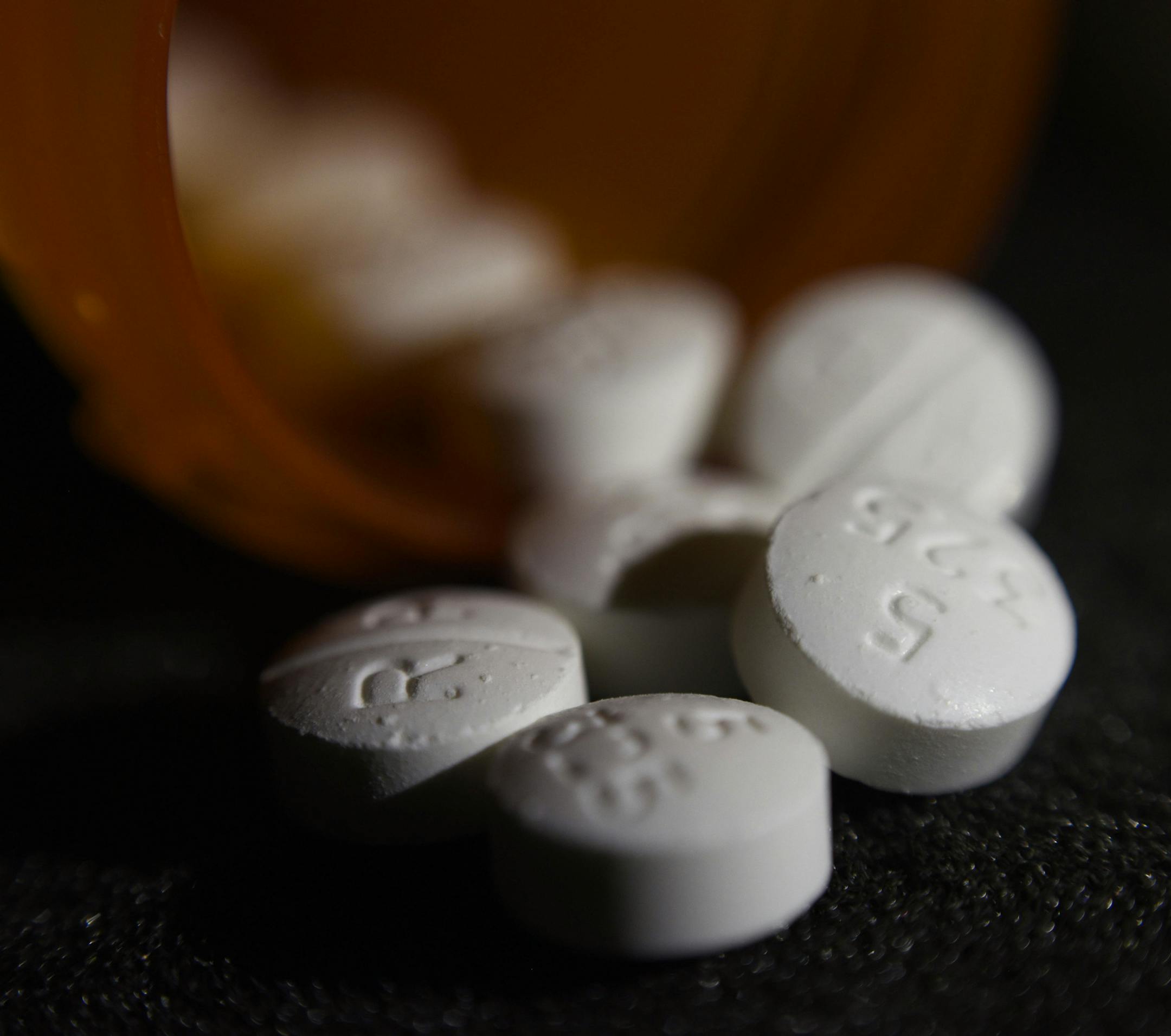
FILE - This Tuesday, Aug. 15, 2017 file photo shows an arrangement of pills of the opioid oxycodone-acetaminophen in New York. In an innovative experiment, doctors prescribed fewer opioids after learning of their patient's overdose death in a letter from a county medical examiner. More than 400 “Dear Doctor” letters, sent in 2017 in San Diego County, were part of a study that put a human face on the U.S. opioid crisis for many doctors. (AP Photo/Patrick Sison) ORG XMIT: NY635
This 2017 photo shows an arrangement of pills of the opioid oxycodone-acetaminophen in New York. (The Minnesota Star Tribune)

Using opioids appears to double the risk that a driver will trigger a fatal crash, regardless of whether alcohol is in the mix, a new study by Columbia University researchers found.

The study found that more than half of the crashes occurred because the narcotics user had failed to keep the vehicle in its lane. Dr. Guohua Li said the findings demonstrate the ripple effect of the opioid crisis. "The impact … goes far beyond the body count from overdoses," Li said. He said it should serve as a warning to clinicians and patients about the risks of driving when using prescription narcotics.

Here's a look at an analysis of data from 18,000 fatal two-car crashes from Jan. 1 1993 to Dec. 31, 2016.

7 percent

Fatally injured drivers in past two decades with prescription narcotics in their system, up from 1 percent.

32 percent

Hydrocodone, the active ingredient of Vicodin, detected among drivers at fault who tested positive for opioids. Nearly 27 percent used morphine; more than 18 percent used oxycodone, marketed as OxyContin.

55 percent

Opioid user did not stay in lane; it was group's most common error.

about the writer

about the writer

More from No Section

See More
FILE -- A rent deposit slot at an apartment complex in Tucker, Ga., on July 21, 2020. As an eviction crisis has seemed increasingly likely this summer, everyone in the housing market has made the same plea to Washington: Send money — lots of it — that would keep renters in their homes and landlords afloat. (Melissa Golden/The New York Times) ORG XMIT: XNYT58
Melissa Golden/The New York Times

It’s too soon to tell how much the immigration crackdown is to blame.