Farmer charged in pelican slaughter

Minnesota Lake colony had been one of the protected species' largest in the state.

September 17, 2011 at 2:39AM
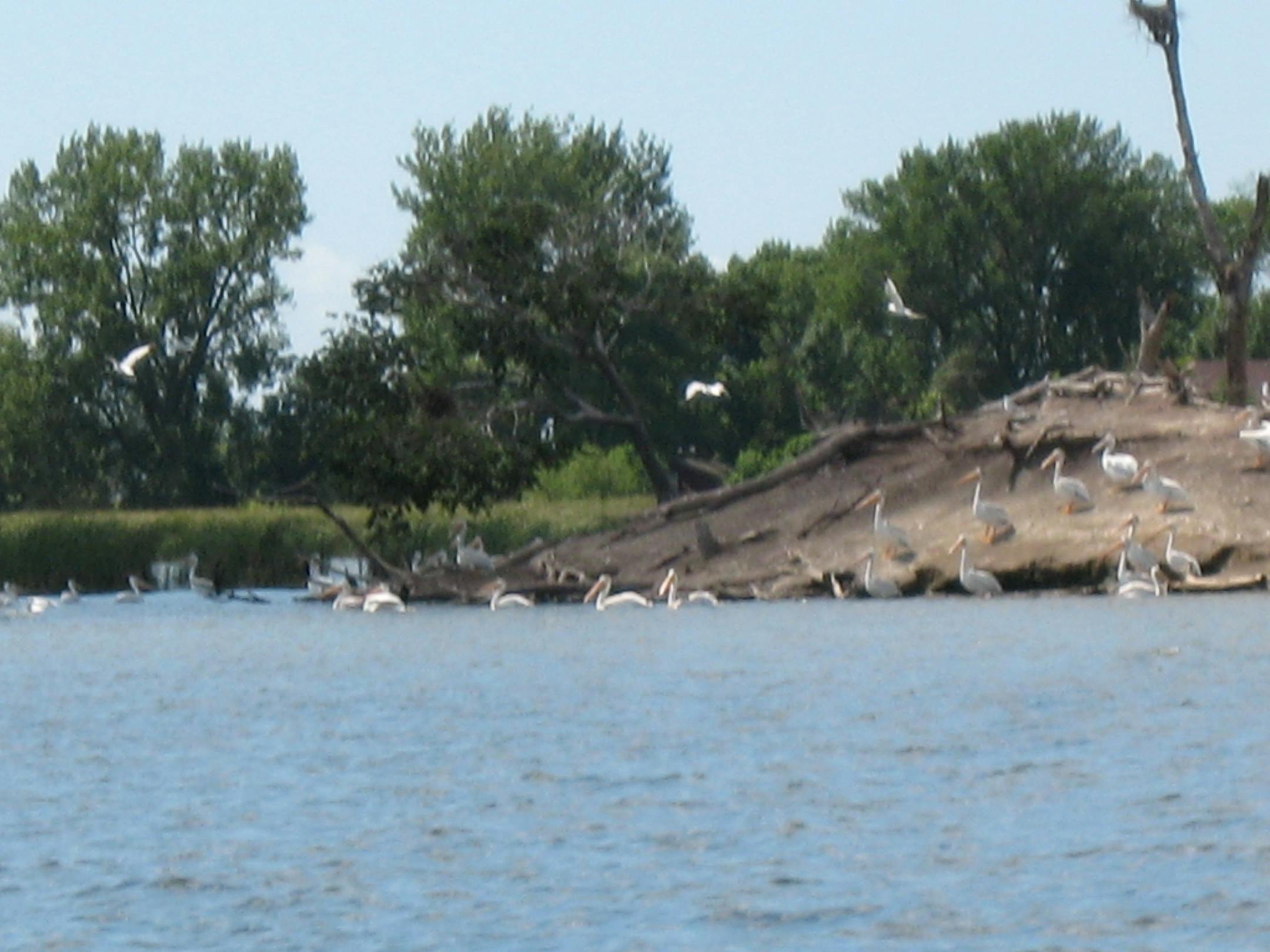
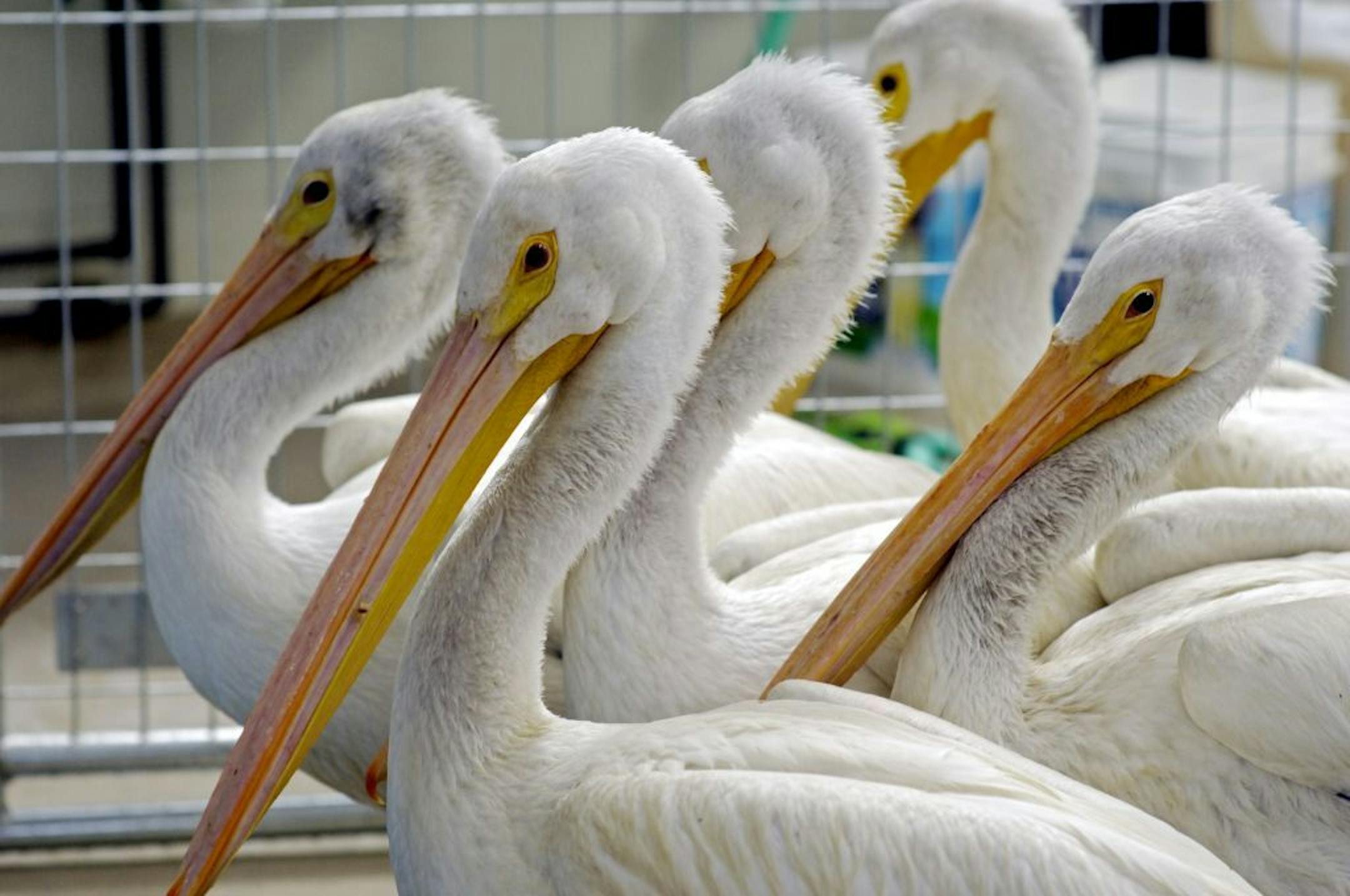
American white pelicans at the island nesting colony on Minnesota Lake
American white pelicans at the island nesting colony on Minnesota Lake (Emma Carew/The Minnesota Star Tribune)

A southern Minnesota grain farmer has been charged with smashing up a pelican colony on land he rents, killing hundreds of chicks or leaving them to die in their nests.

Craig L. Staloch, 59, of Minnesota Lake, was charged Thursday in federal court in Minneapolis with violating the Migratory Bird Treaty Act, a misdemeanor.

The American white pelicans in and near Minnesota Lake are a federally protected species and make up one of the species' largest colonies in the state, said Lori Naumann, a non-game wildlife program officer with the Minnesota Department of Natural Resources (DNR).

"Once they are nesting, you can't harass them off their nests," said Lisa Gelvin-Innvaer, a DNR wildlife specialist who discovered the colony's destruction on Staloch's farm in May. Minnesota Lake is about 30 miles south of Mankato.

Of the 1,458 nests in the colony, more than 70 percent had been destroyed, the federal indictment alleges.

Gelvin-Innvaer said Friday that high water levels for the past two years pushed the pelicans off an island in Minnesota Lake that is within sight of the farm.

"We suspect that was the reason that they were seeking alternative nesting areas" and chose an open area on the land Staloch farms, Gelvin-Innvaer said.

Staloch had requested financial compensation from the DNR last year "when the pelicans first nested in and 'destroyed' the field," Naumann said. However, she said, there "is not a fund available for this type of compensation."
While declining to be specific, Naumann said she believes there is "ample evidence to prove that [Staloch] destroyed the nests."

Geese had come to the farmland the year before and eaten away crops, said Stein Innvaer, another DNR official in the area familiar with the case and who is Gelvin-Innvaer's husband. "That opened the area up to such a degree that the pelicans felt it would be a good way to nest," Innvaer said.

Farmers have a disdain for pelicans because "those floppy feet of theirs damage crops and take up crop land," Innvaer said. "And their droppings and everything also have a negative effect on the crop land."

Farmer sought 'options'

According to the indictment, Gelvin-Innvaer visited the land on May 17 to check on the area where the pelicans had nested the previous year. She found numerous adult pelicans, many sitting on nests.

Staloch asked Gelvin- Innvaer what his "options" were in dealing with the pelicans, the indictment said. He was told that the birds could not be disturbed because they are a protected species.

Gelvin-Innvaer returned the next day with experts from the University of Minnesota to conduct a pelican count, the indictment said. The adult pelicans had virtually abandoned the area, and there were broken eggs in many nests. Each nest had at least two eggs.

The eggs appeared to have been smashed "by a heavy stick or a forceful object," the indictment read. Many of the dead chicks were crushed or died from exposure.

Staloch did not respond to telephone messages Friday seeking his comment about the charge.

If convicted, he faces a potential maximum penalty of six months in prison as well as a fine.

State houses largest colony

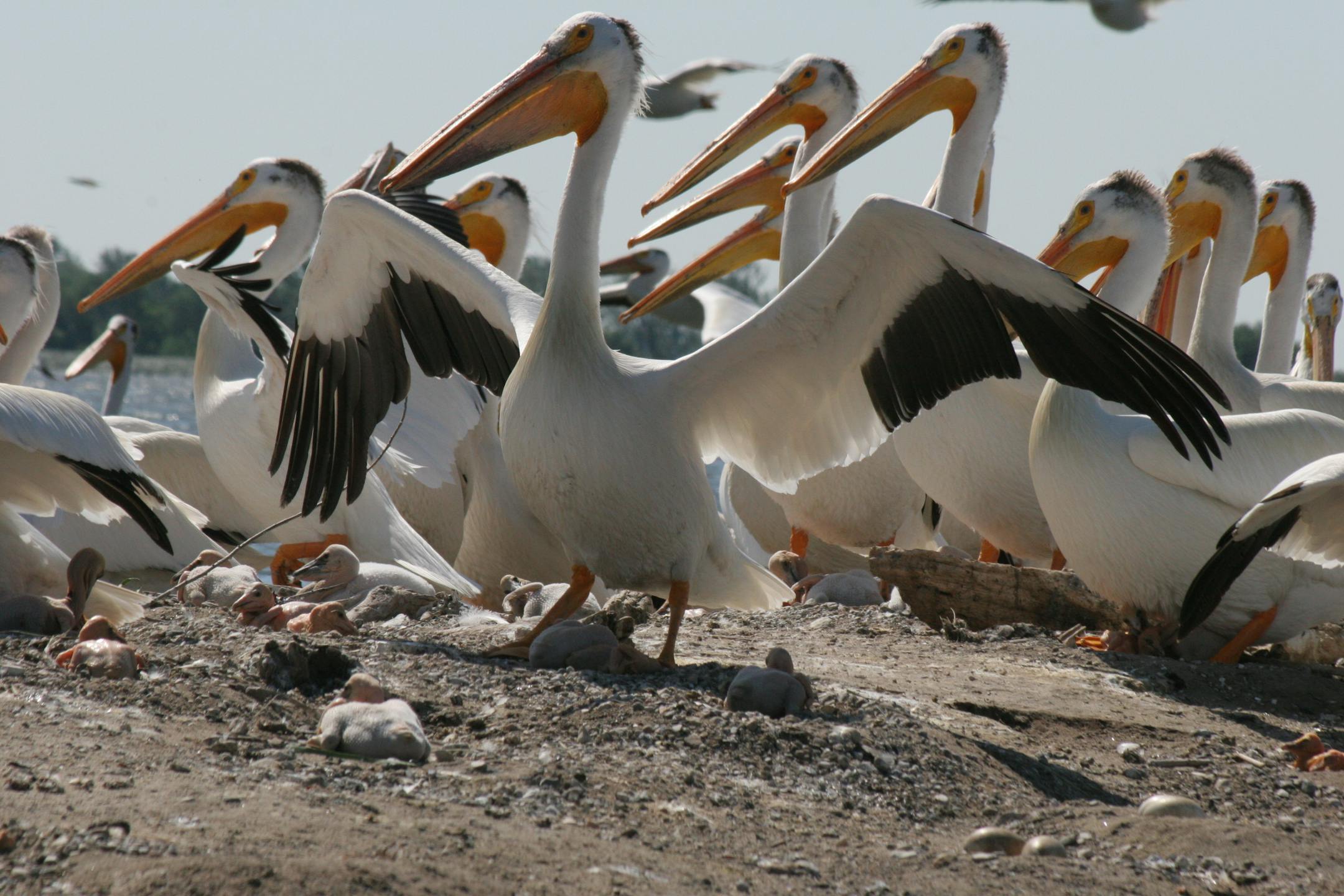
The American white pelican is one of Minnesota's largest birds, with a length of 4 to 6 feet and a wingspan ranging from roughly 7 1/2 to 9 1/2 feet. Its distinguishing features include black wing tips and an orange bill.

The species had been widely found throughout Minnesota until the late 19th to early 20th centuries, when their numbers began declining because of the impact of humans, according to the DNR.

Nests in the state resurfaced in the late 1960s, and more continued to appear in the 1990s.

North America's largest known colony is at Marsh Lake in west-central Minnesota, the DNR said.

Paul Walsh • 612-673-4482

American white pelicans on Minnesota Lake
American white pelicans on Minnesota Lake (Dennis McGrath/The Minnesota Star Tribune)
File: American white pelicans
File: American white pelicans (Jm - Star Tribune/The Minnesota Star Tribune)
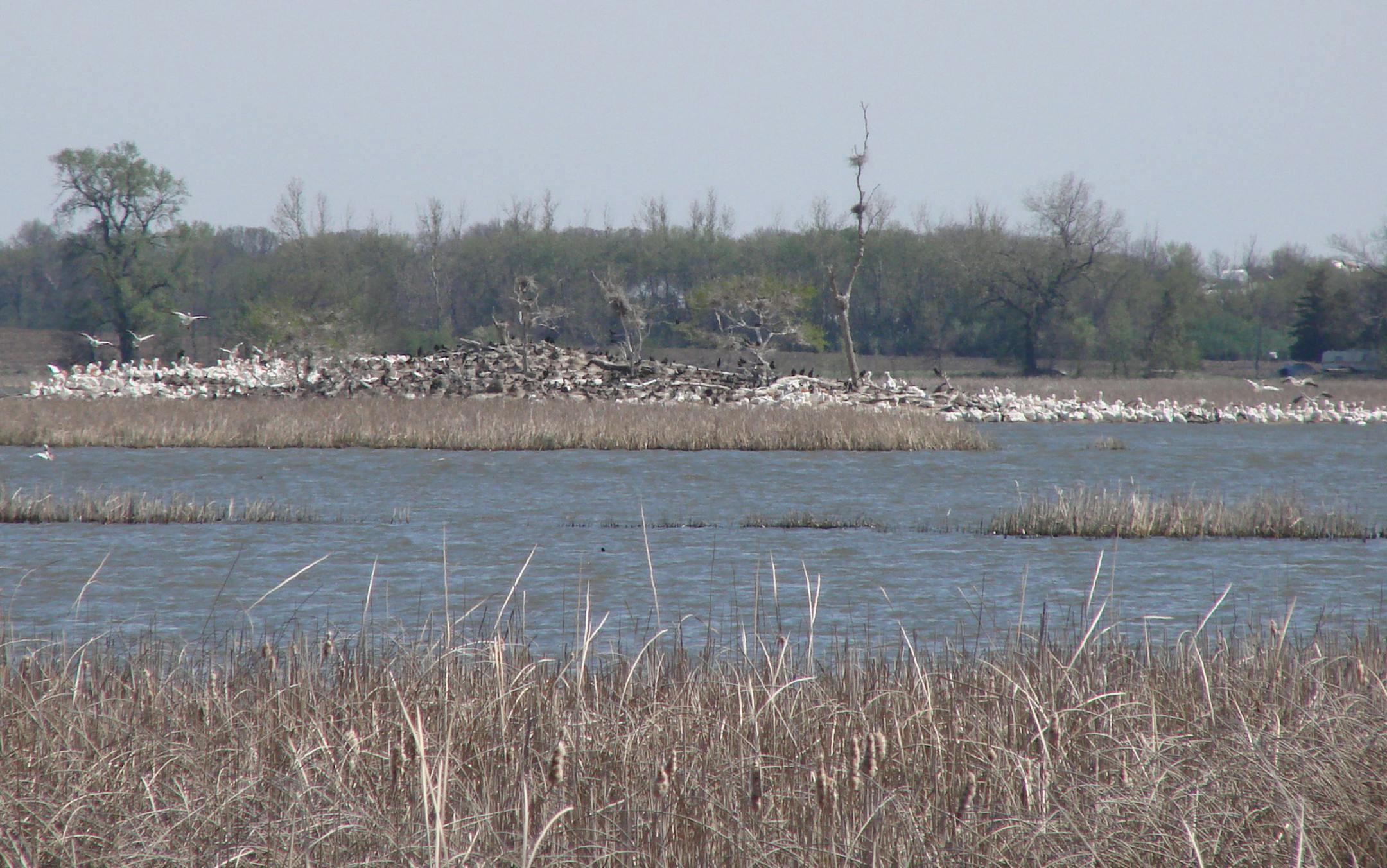
American white pelicans on Minnesota Lake
American white pelicans on Minnesota Lake (Dennis McGrath/The Minnesota Star Tribune)
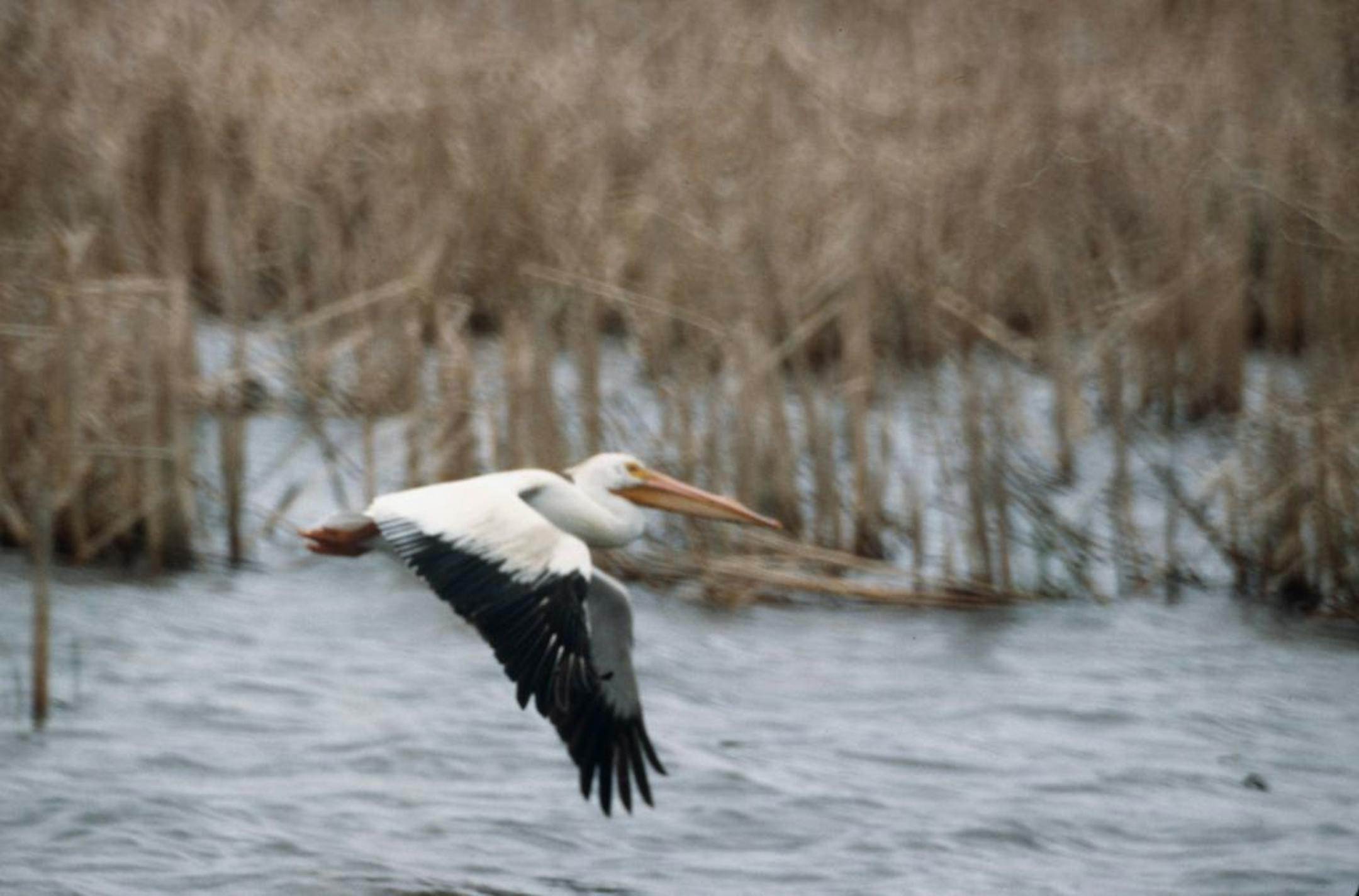
File: American White Pelican
File: American White Pelican (Warren Nelson/The Minnesota Star Tribune)
about the writer

about the writer

Paul Walsh

Reporter

Paul Walsh is a general assignment reporter at the Minnesota Star Tribune. He wants your news tips, especially in and near Minnesota.

See Moreicon

More from No Section

See More
FILE -- A rent deposit slot at an apartment complex in Tucker, Ga., on July 21, 2020. As an eviction crisis has seemed increasingly likely this summer, everyone in the housing market has made the same plea to Washington: Send money — lots of it — that would keep renters in their homes and landlords afloat. (Melissa Golden/The New York Times) ORG XMIT: XNYT58
Melissa Golden/The New York Times

It’s too soon to tell how much the immigration crackdown is to blame.