

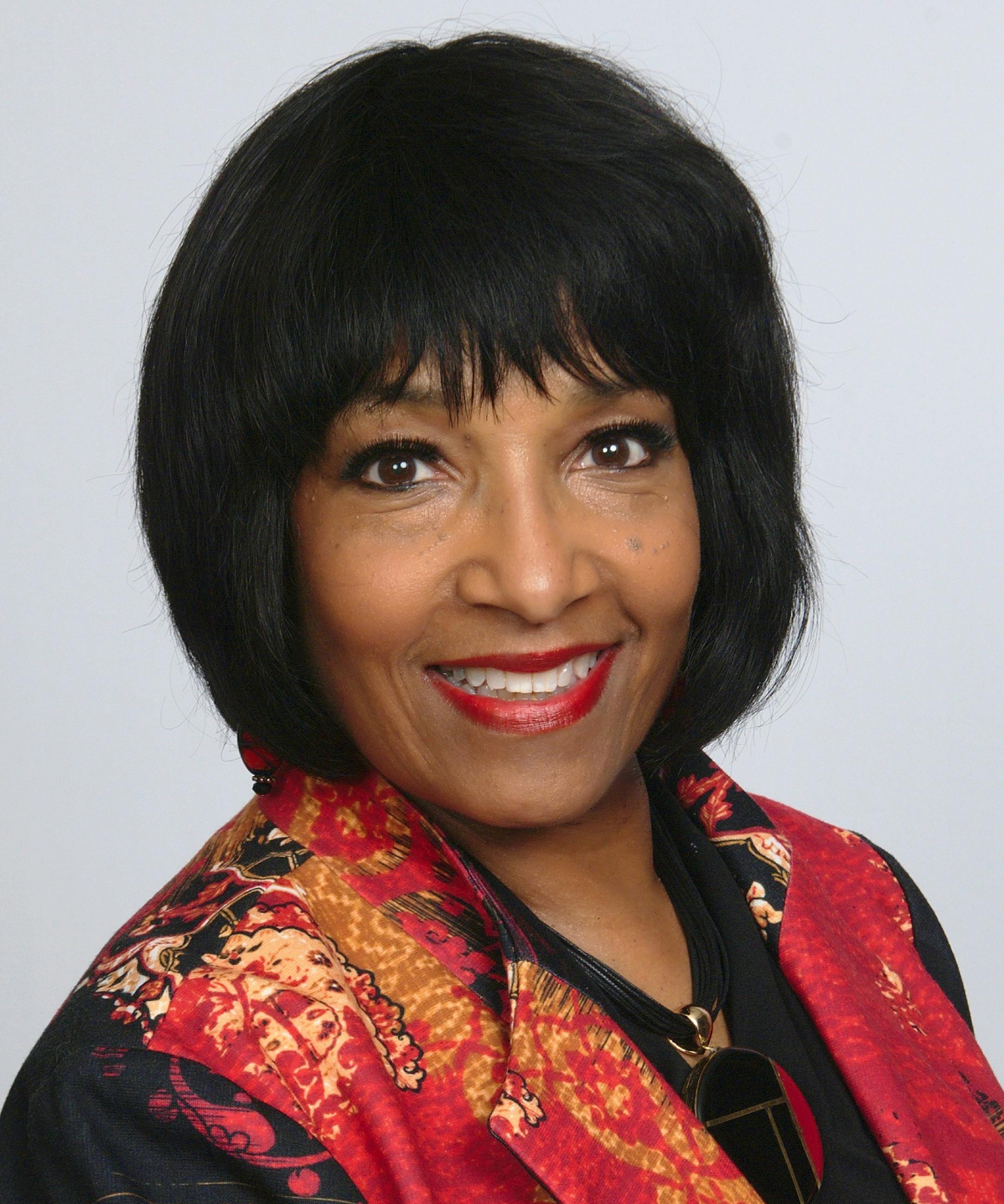
On July 25, the 77th anniversary of Emmett Till's birth, the public is asked to remember his savage 1955 murder in Mississippi.
"We ask the public to wear black and white in a silent protest," said his cousin, Deborah Watts, a Twin Cities resident who co-founded the Emmett Till Legacy Foundation. "Have a moment of silence at noon. Say Emmett's name, and pledge 'Never again.' Post pictures to Facebook and tag the Emmett Till Legacy Foundation. It's a way for us to keep Emmett's name out there. We owe that to him."
A motivational speaker, justice advocate, author of "101 Ways to Know You're Black in Corporate America" and 2017 Essence magazine's list of "Woke 100 Women" honoree, Watts created the foundation in 2005: "It was inspired by the mother of Emmett Till, Mamie Till-Mobley. We show a documentary, 'Who Killed Emmett Till?' all across the country. We started out wanting to tell the story of Emmett and his mother's courage."
Till's mother made the gut-wrenching decision to have an open casket for Emmett, though his cherubic face no longer looked human. The 14-year-old Chicago boy was visiting Mississippi when he was kidnapped, lynched and dumped into a river for allegedly whistling at a white woman. That woman, Carolyn Bryant Donham, told Timothy Tyson, author of 2017's "The Blood of Emmett Till," that she added false details to the whistling. Last week the U.S. Justice Department reopened the investigation into the murder, for which two men were acquitted. They later admitted killing Till.
Q: What are you expecting from the Justice Department's reopening Emmett Till's case?
A: Justice, no doubt about it. We want justice.
Q: Do you expect a Justice Department led by Jeff Sessions to come to a satisfactory conclusion?
A: I had a chance to meet with Jeff Sessions in March 2017 at the invitation of Alvin Sykes, president of the Emmett Till Justice Campaign, to talk about the Unsolved Civil Rights Crime Act and other cold cases and how important it was to make sure it was implemented within his administration. He was agreeable to that. Regardless of how some of us may feel about their affinity toward justice for African-Americans, I have great hope. No white woman has been convicted of the murder of a black man or boy [from that era]. This would be a big feat for Mississippi. I hope they have the courage to do it. This is about the law. For anybody who's had a death in their family, they expect justice. We've put 80-year-olds in jail. I respect my elders, but I also respect justice.


