

When politicians refuse to work together for the common good because they're blinded by party interests and ideology, they can expect backlash. Americans are fed up with corrosive rhetoric and gridlock, which is why the approval rating of Congress dipped below 20 percent following the debt-ceiling debate.
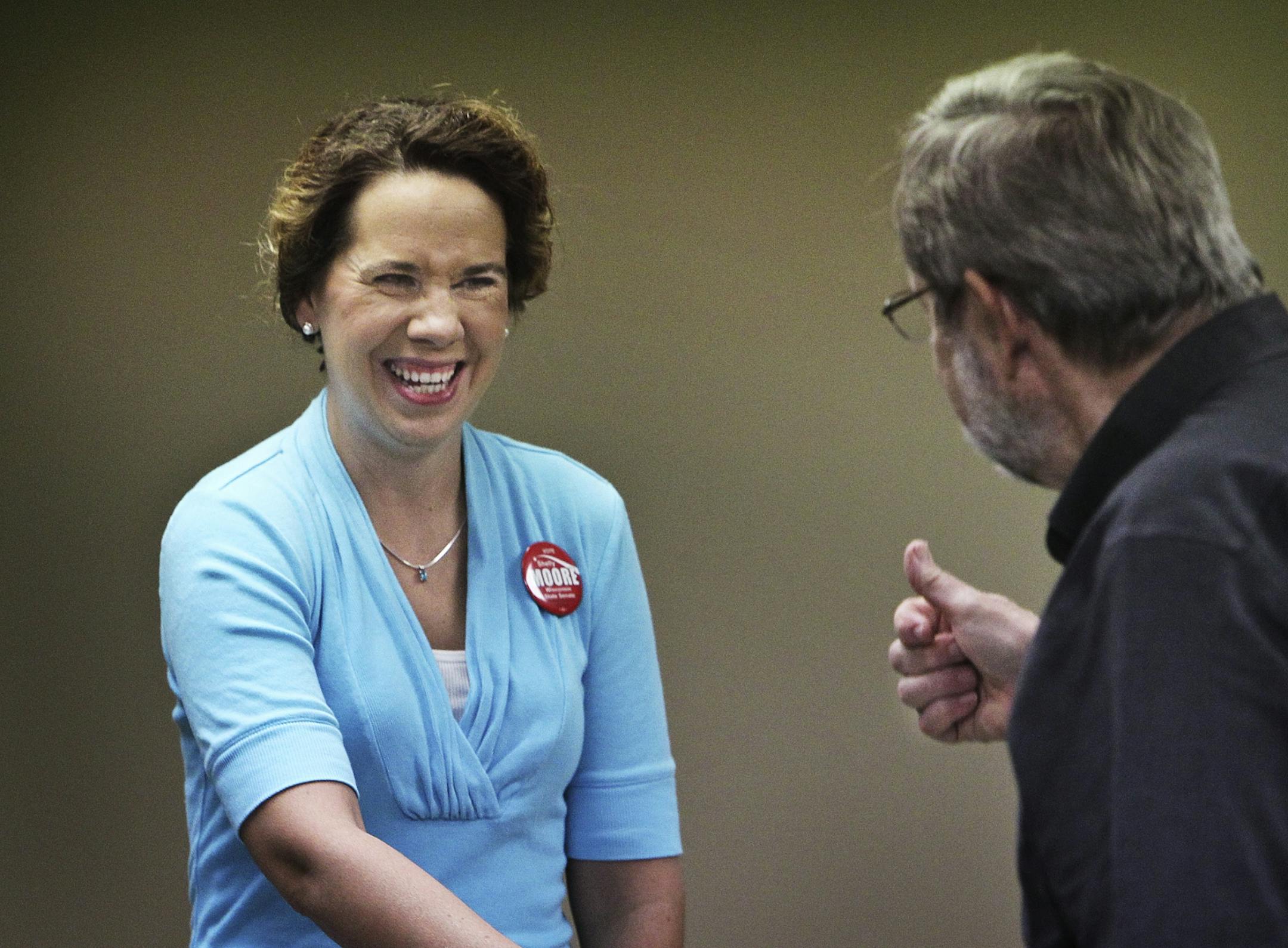
Now comes Wisconsin, where today six Republican state senators face a recall election -- a fate that also awaits two Wisconsin Democrats next week. What sparked the recall attempts were the heavy-handed anti-union measures of Republican Gov. Scott Walker, backed by a GOP-controlled state legislature.
The protests that besieged the Badger State's Capitol in Madison earlier this year dominated the national news for weeks. Fourteen Democratic state senators fled Wisconsin to deny Republican lawmakers the quorum necessary to bring Walker's budget bill up for a vote.
Walker, who took office in January, refused to negotiate with Democrats from the outset. Nearly 60 percent of Wisconsin residents disapprove of his performance, according to a recent poll.
President Obama, by contrast, showed a willingness to compromise during the debt ceiling negotiations. He maintains an approval (and disapproval) rating closer to 50 percent, though he's been soundly shredded by both liberal and conservative pundits for his efforts.
Like Obama, Walker inherited a budget mess -- an anticipated $3.6 million deficit. Unlike Obama, Walker's answer was to slash spending, including reductions in the salaries, benefits and collective bargaining rights of teachers and other government workers.
To many in Wisconsin, it felt as if he was exploiting the little guy to protect the interest groups that helped to bankroll the Republican victories last fall.
The political brawl in February was tame compared to the ugliness leading up to Tuesday's vote. Historically, voters have never ousted more than two legislators at a time in recall elections around the country.


