
Easy ways to ease into a good night's sleep

Take a few simple steps to sleep your way to better health.

September 9, 2020 at 5:26PM
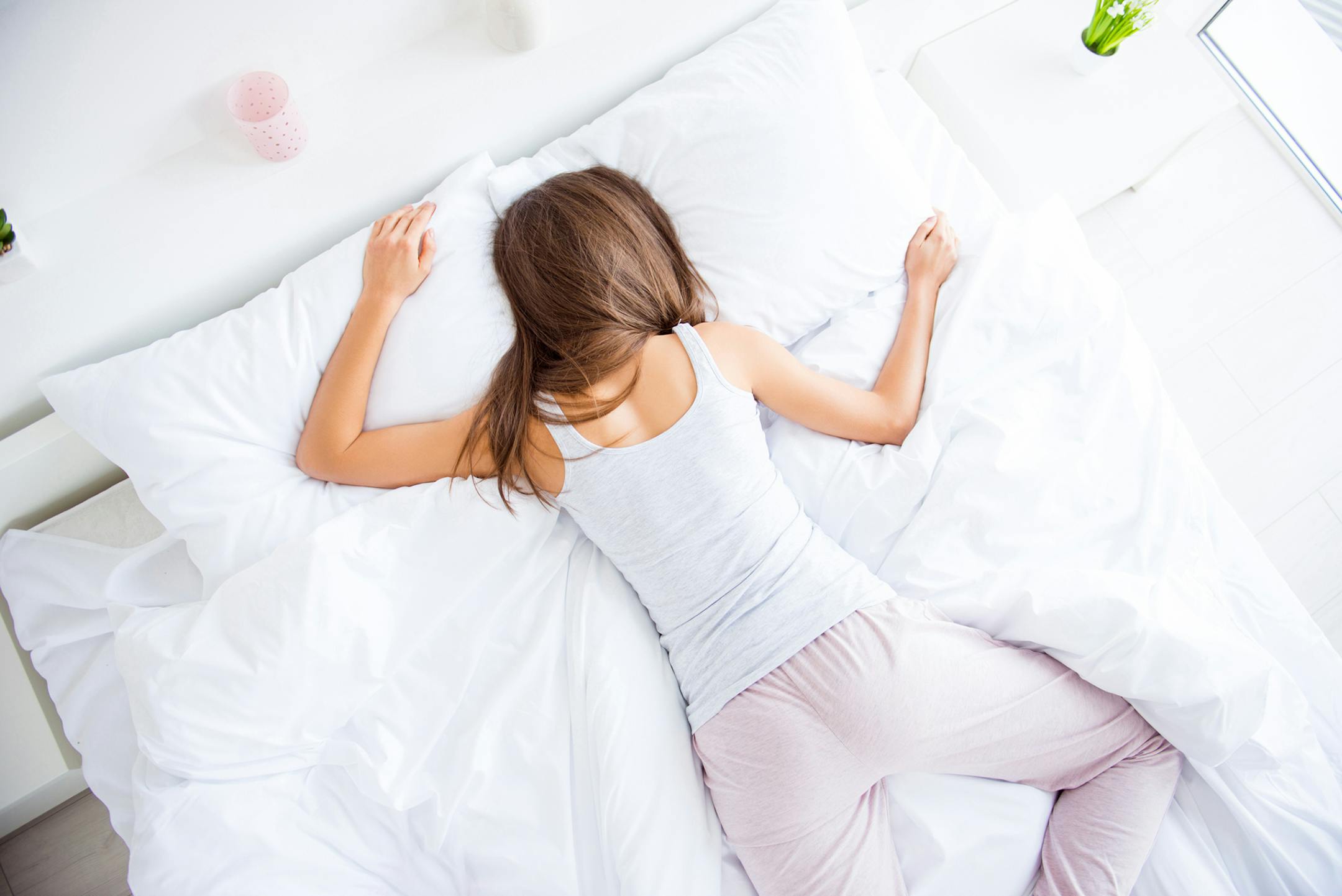
Getting proper sleep can help your immune system.
Getting proper sleep can help your immune system. (The Minnesota Star Tribune)

In these days where there is high anxiety around COVID-19, getting your sleep isn't easy. But a good night's sleep is a key factor in maintaining your health and protecting your immune system.

"Sleep is so important. It can make you happier and healthier," says Jenny Prinsen, a pulmonology nurse practitioner at Mayo Clinic Health System in southwest Wisconsin. "It's your time to recharge, so make it a priority."

Sleep challenges

There are several factors that can affect your sleep.

• Snoring. Almost half of adult men and one-quarter of women snore. You can reduce snoring by using adhesive nose pads to open the nostrils, adjusting your pillow to open your airway, and sleeping on your side rather than your back.

• Caffeine intake. Caffeine may affect your sleep. Be mindful of hidden sources of caffeine in foods, beverages and medications. Even if you fall asleep, too much caffeine can affect the quality of your sleep.

• Challenges of parenting. Between 3 a.m. feedings and late-night cries, new parents might only get to sleep for a few hours here and there. Try snoozing whenever you put your infant down to sleep.

How to sleep better

The quality of your sleep is just as important as the quantity. You can be in bed for eight hours and still feel drowsy the next day if your sleep is frequently interrupted during the night.

Try these tips to sleep better:

• Create an ideal sleep environment. Your sleep space should be dark, quiet, comfortable and cool. Think about using dark shades, earplugs, eyeshades, and subtle background noise such as humidifiers or fans.

• Follow a sleep schedule. Go to bed and wake up at the same time each day, including weekends. Consistency reinforces your body's sleep-wake cycle and promotes better sleep.

• Give yourself time to unwind. Create a relaxing routine before bedtime. Consider taking a warm bath or shower, reading a book or listening to soothing music. You also might try meditation or prayer to relax.

• Turn off the screens. Dedicate 30 to 60 minutes before you go to sleep as time away from your electronic devices. Minimizing the bright light exposure gives your brain the time it needs to get sleepy.

• Use your bed for sleep. Don't eat, work, use your phone, watch TV or do anything in bed that may keep you from relaxing and getting good sleep.

• Get regular physical activity. Regular physical activity can promote better sleep by helping you fall asleep faster and enjoy deeper sleep. Exercise earlier in the day, if possible.

• Be mindful of beverages. Avoid consuming caffeine 10 hours before you want to fall asleep and avoid alcohol before bed, as it disrupts sleep.

If you follow these tips and still find yourself constantly craving sleep and feeling fatigued, talk to your health care provider to make sure that there isn't an underlying sleep disorder.

about the writer

about the writer

Mayo Clinic News Network

More from No Section

See More
FILE -- A rent deposit slot at an apartment complex in Tucker, Ga., on July 21, 2020. As an eviction crisis has seemed increasingly likely this summer, everyone in the housing market has made the same plea to Washington: Send money — lots of it — that would keep renters in their homes and landlords afloat. (Melissa Golden/The New York Times) ORG XMIT: XNYT58
Melissa Golden/The New York Times

It’s too soon to tell how much the immigration crackdown is to blame.