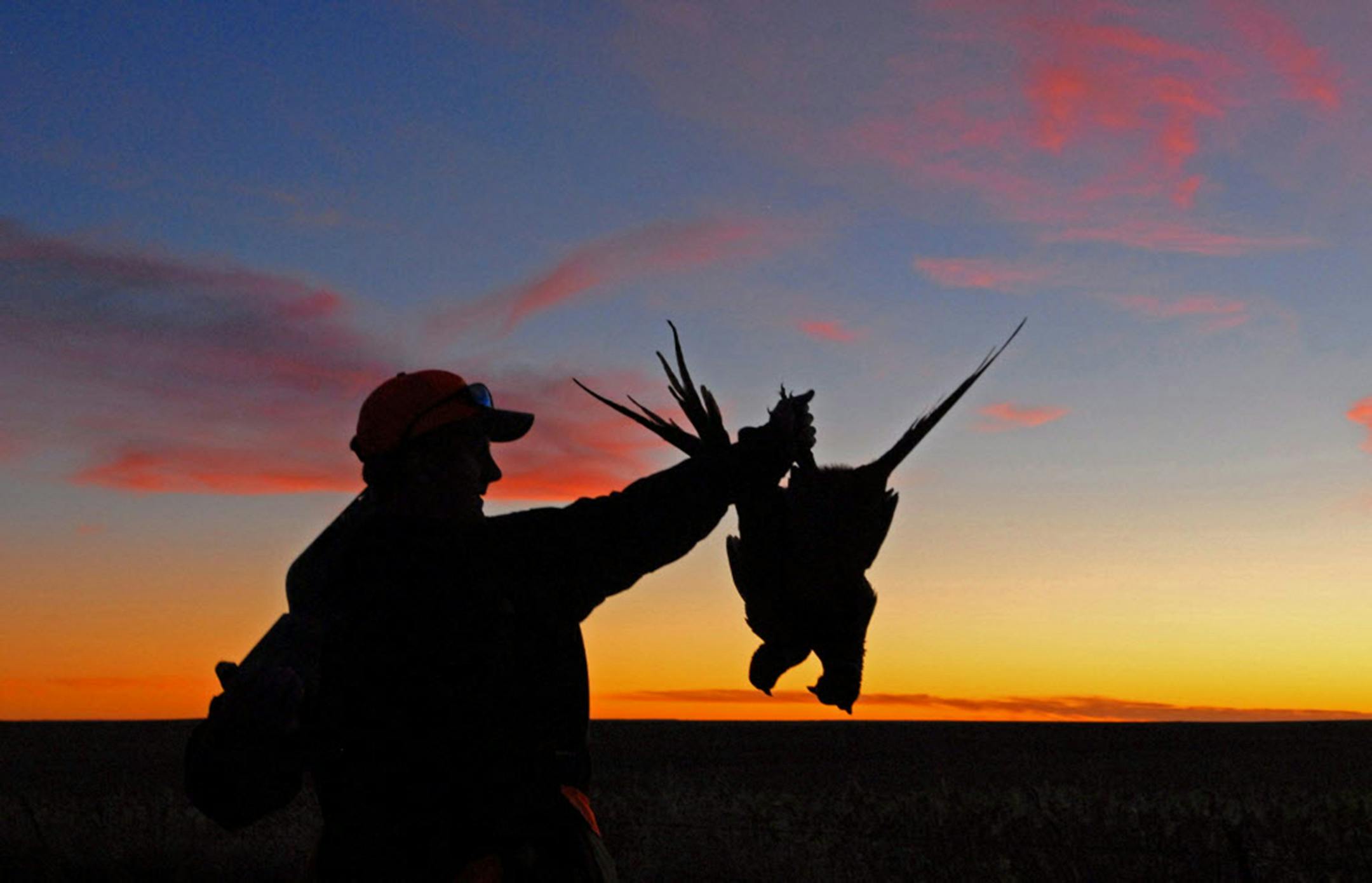
Though heavy rains have fallen this spring and early summer in parts of southern and especially southwest Minnesota, hope still exists the state pheasant population will continue the upswing it began two years ago.
Working to the birds' advantage was the recent mild winter. Additionally, relatively warm temperatures during the nesting and hatching seasons this spring and summer should aid production.
Most pheasant hens laid their eggs in late April or early May, with first clutches typically numbering 10 to 12 eggs. Once the eggs were laid, hens remained on their nests for up to 23 hours a day.
Peak hatching date was June 10. Hens who lost their nests and eggs before hatching will attempt to re-nest. But hens that lose their chicks after hatching won't re-nest.
Nicole Davros, upland game project leader with the state Department of Natural Resources (DNR) stationed in Madelia, believes a significant portion of the heavy rains this spring and summer occurred before pheasant hatching, thus increasing the likelihood of re-nesting attempts.
"The upside of the heavy rains is that a lot of lush vegetation and a lot of bugs are produced," Davros said Thursday. "Both are good for adult pheasants and chicks."
Dull-colored pheasant hens blend well with the grasslands in which they typically nest. This camouflage conceals them from predators. And by remaining on the nest for such prolonged periods, they limit their scent exposure to predators.
Again this year, Davros and her colleagues are using tiny radio transmitters to track pheasant hens and chicks. Their goal is to determine the types of habitat the birds select and the birds' corresponding survival rates.