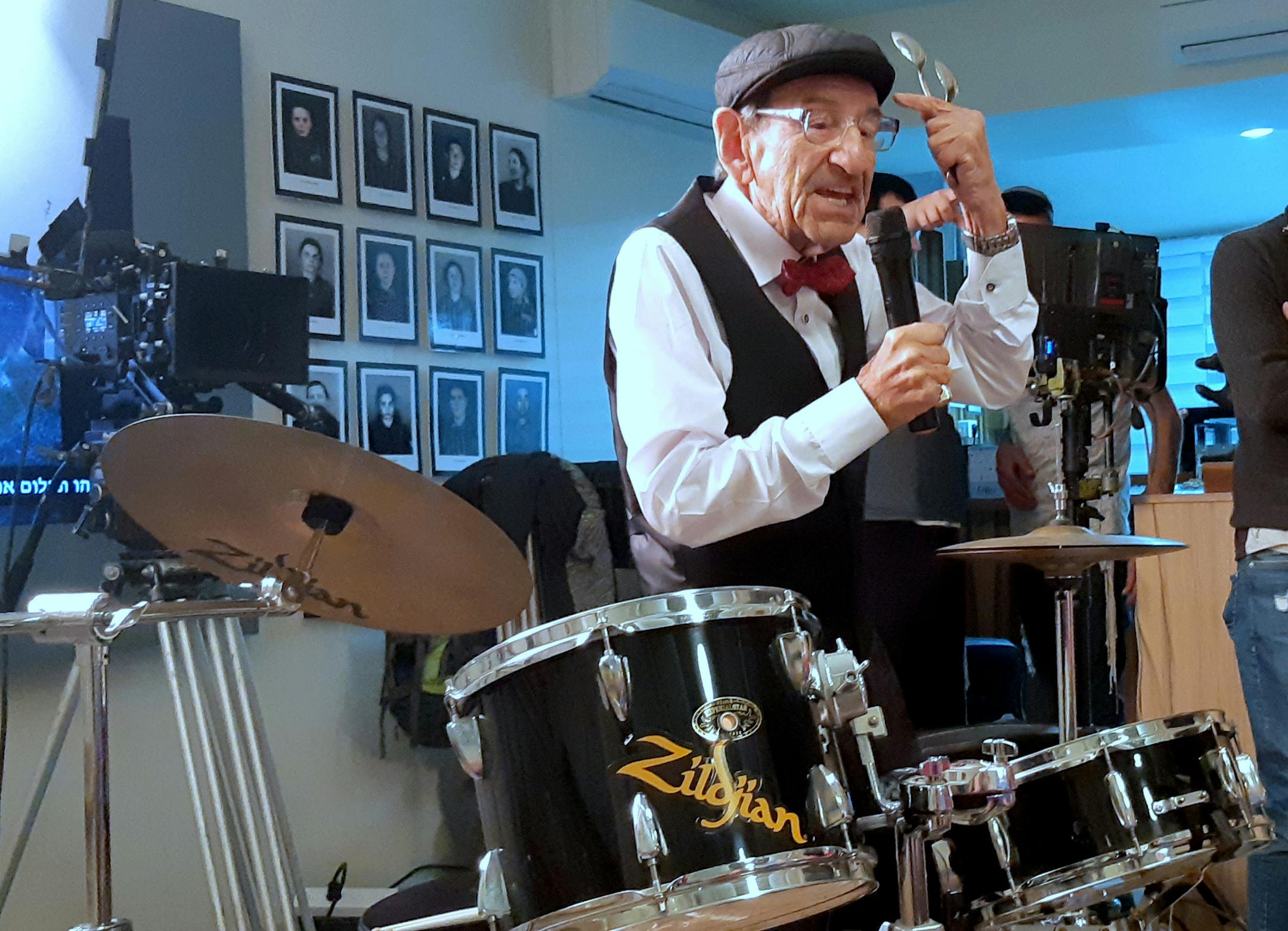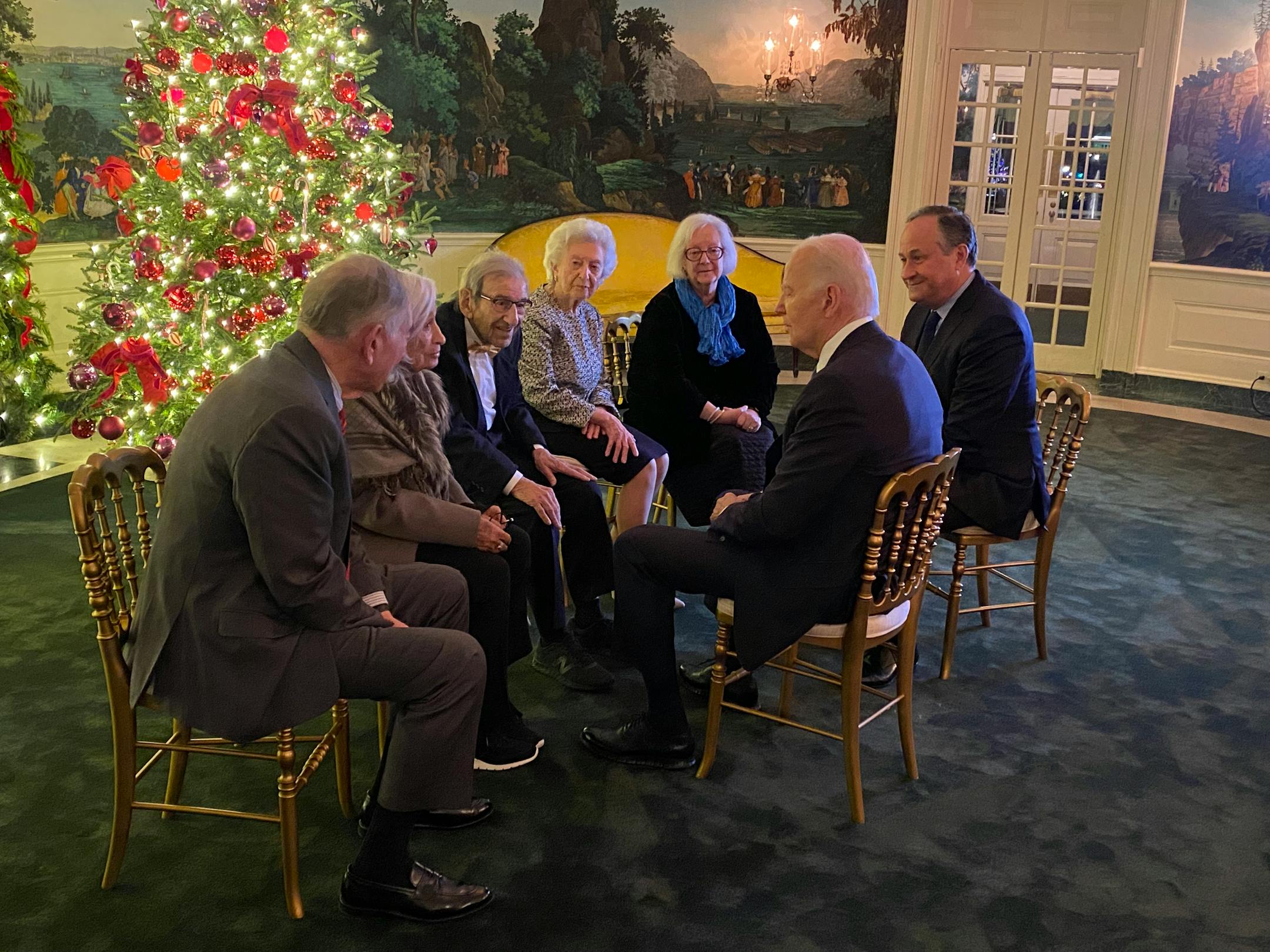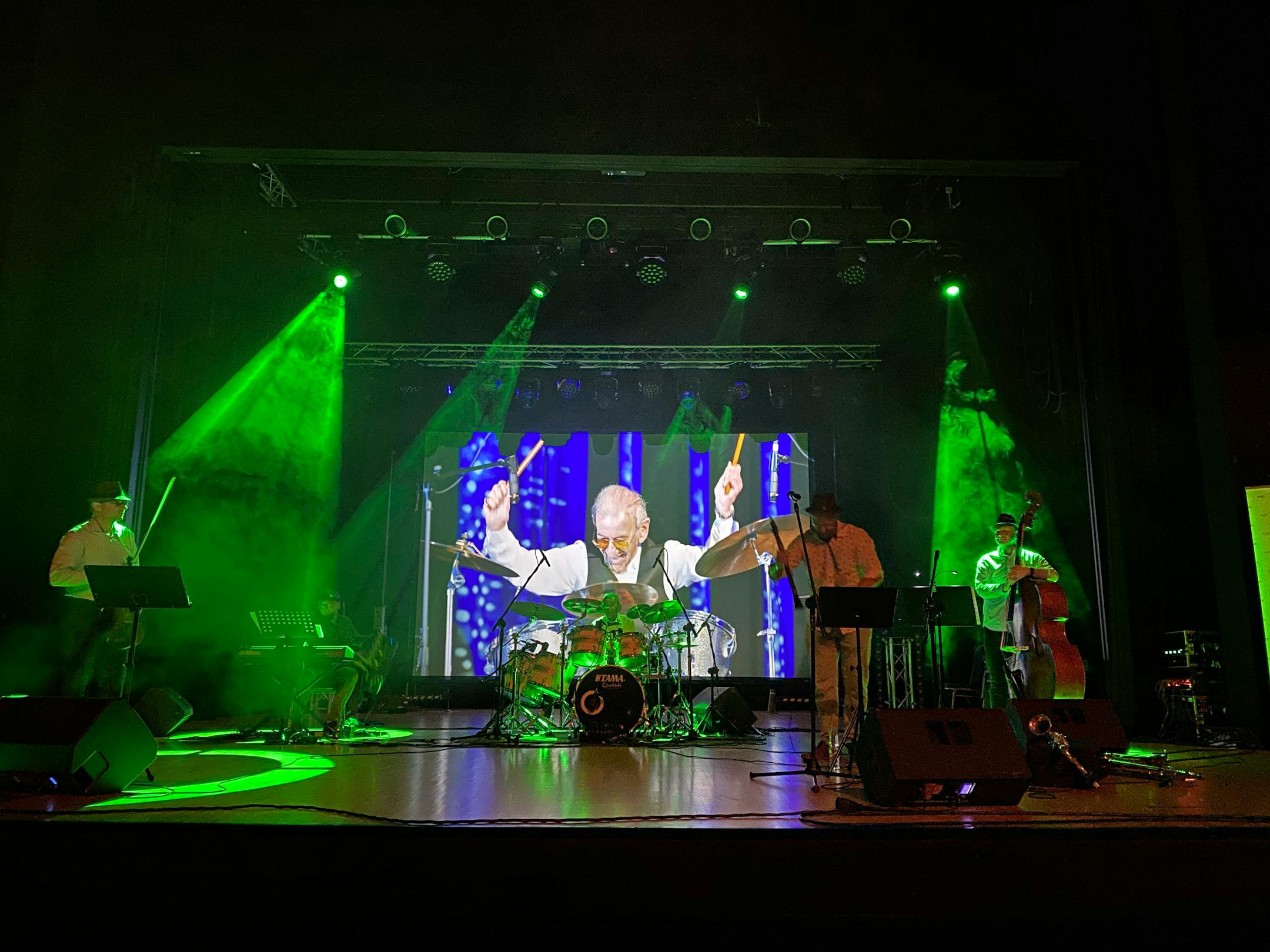
Saul Dreier learned to play the drums in perhaps the most unlikely of places: a concentration camp during the Holocaust.
Dreier, who grew up in a Jewish family in Krakow, was sent to the Krakow-Plaszow concentration camp in German-occupied Poland when he was 16, then was moved to a subcamp, where he toiled in a factory called NKF, repairing automobile radiators.
One of the men in Dreier's barracks was a cantor — someone who sings liturgical music and leads prayers in a synagogue — and he and a few other prisoners sang together every night in a makeshift choir. They chanted traditional Jewish songs.
"You're missing something," Dreier declared one evening to the men.
He took two metal soup spoons and started banging them together to create a beat that his fellow prisoners could sing along to.
"That's how I learned to play the drums," said Dreier, 98, whose father was a musician and bought him a clarinet when he was 8 years old.
His grueling days in the work camp were punctuated by his terror that he could be slaughtered at any moment. Making music was his salve — a small but significant joy. Dreier's parents were murdered by the Nazis, as well as about 25 of his family members. He credits music for keeping him alive.
"It helped me survive," said Dreier, who was sent to Mauthausen Concentration Camp in Nazi-occupied Austria in 1944, when he was 20.