

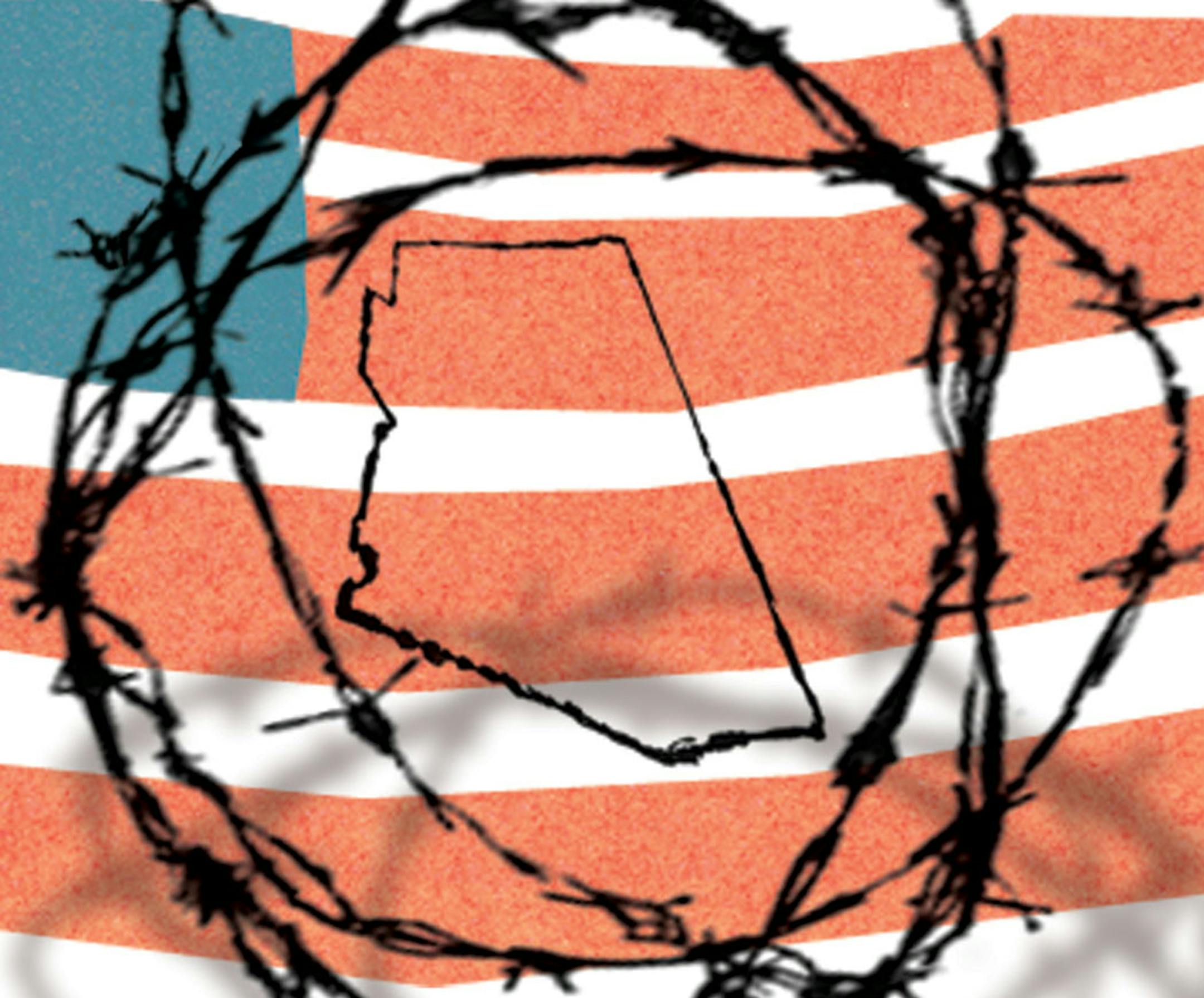
There's a basic chicken-and-egg problem that has long bedeviled the U.S. immigration debate: What comes first, a secure border or effective reform?
For decades, "securing our borders" has been the rallying cry among many Americans concerned about illegal immigration.
The blueprint on immigration reform recently released by a bipartisan Senate group states that the path to legalized status for the estimated 11 million undocumented immigrants in the U.S. is "contingent upon our success in securing our borders and addressing visa overstays."
This sentiment is echoed by conservatives in the House and in many statehouses, particularly in the Southwest.
Unfortunately, this formulation has it exactly backward. To achieve a secure border, we must first have effective immigration reform.
Here's why: The United States has about 7,000 miles of land border, 95,000 miles of shoreline and thousands of airports. There's no way this vast expanse can ever be truly secure. In addition to illegal migrants, more than 50 million tourists arrive legally in the U.S. each year, some of whom overstay their visas.
The U.S. now spends about $18 billion a year on immigration control, more than on all other federal law enforcement agencies combined. The number of Border Patrol agents has doubled in recent years, reaching more than 21,000. The use of fencing, drones and other enforcement measures has been sharply upgraded.
Proponents of a strong border policy should be pleased by all this investment. Illegal (and legal) immigration from Mexico is at a historic low.


