

WASHINGTON – Some roads in Montpelier, Vt., have gotten a bit rumbly.
Faced with decaying pavement and a long list of capital projects to be funded, officials in Vermont's capital decided in 2009 to grind up some of the city's streets and combine the asphalt with underlying gravel.
Since then, just over of a mile of Montpelier's streets have been converted, said Thomas McArdle, the city's public works director. Residents largely have embraced the change, he said, and it's projected to save Montpelier at least half of what it would have spent to pave and maintain the roads over the next 20 years.
Montpelier isn't alone. As infrastructure budgets have been hit hard by dwindling gasoline tax revenue that typically funds transportation projects, some cities and counties have abandoned plans to repave crumbling roads surfaced at a time when asphalt and labor were cheaper.
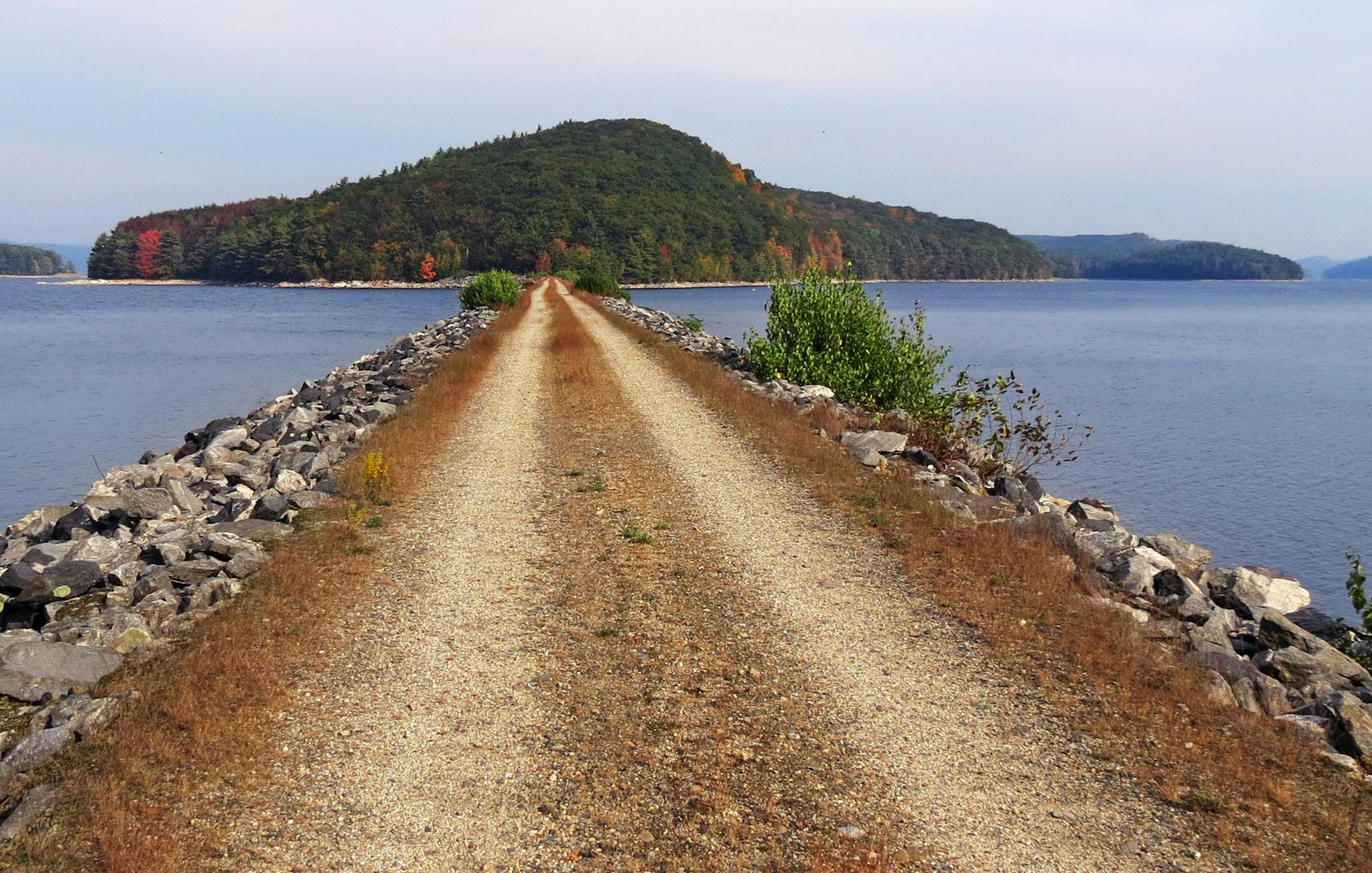
Instead, the thoroughfares are getting churned up, and their remains are combined with gravel and other products to create what essentially become dirt roads. Less often, public works departments are allowing the roads to deteriorate to an unpaved surface.
Both types of deconstructed roads can require more routine maintenance than asphalt or concrete, like regular grading and treatments to minimize dust and run off. But they are generally much cheaper than paved roads to install and maintain.
There have been about 70 such conversions, stretching along 550 miles of road in at least 27 states, according to a 2015 review of the projects produced by the National Cooperative Highway Research Program.
In Franklin County, Ala., safety concerns, complaints from drivers and high maintenance costs led officials to convert a 20-mile stretch of paved road to dirt in 2014. In three Iowa counties, 50 miles of pavement were recycled to create gravel roads between 2013 and 2014.


