

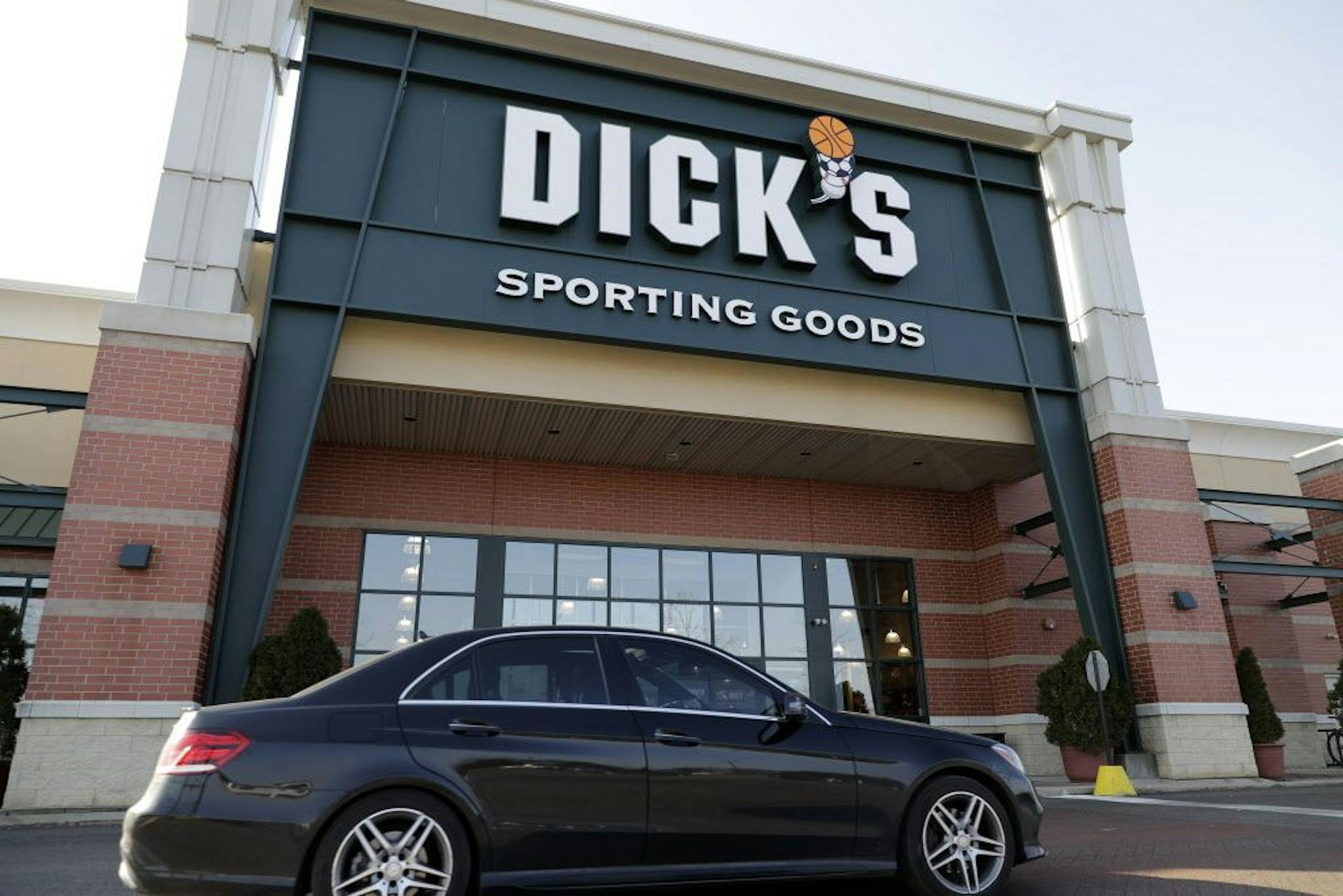
Morality is easy when it costs nothing. That is a good principle to keep in mind as nearly two dozen companies bathe in the glow of public approval after noisily abandoning their ties to the National Rifle Association this week. Delta, Dick's Sporting Goods, Hertz Rent a Car, Avis, Budget, LifeLock, MetLife — these and a batch of other corporations renounced their ties to the NRA. On Facebook and Twitter, grateful activists are encouraging people to support the companies with dollars to reward their brave stances: rent cars, buy airplane tickets, take out insurance policies. The mayor of Portland, Oregon, praised Dick's and urged other companies to follow suit. "Support retailers that do the right thing," cheered one influential political consultant.
Given the love, it seems like a no-brainer to ditch the NRA: This is the kind of reputation boost and customer goodwill that you can't pay for. In fact, companies know these accolades are all too easy to buy — and they're pretty cheap, too.
None of these companies took a particularly controversial stance. School shootings have been a growing problem since Columbine in 1999. In the ensuing 19 years, none of those companies cut ties with the NRA, pulled back discounts or declared their independence from gun manufacturers. And for 19 years, they didn't have to.
So what changed? The Parkland, Florida, shootings made pressuring the NRA a mainstream opinion, and there is nothing better for a company's bottom line than supporting a mainstream view. An eloquent, quick-witted group of young survivors created a different kind of political and moral electricity. Apathy was no longer an option. In only two weeks, regulation of assault weapons — thwarted and danced around by lawmakers for years — became an urgent and mainstream opinion.
It's smart, but not especially brave, to see on which side your bread is buttered. It's the easiest thing in the world to find your moral center when a pivot to ethical behavior results in widespread approval. That is why what has happened this week was not a vast moral stand by America's corporate sector. It was a simple calculus of profit and loss.
It costs these companies almost nothing to give up their discounts to the relatively paltry membership of the NRA. It would cost them a lot to lose every other customer. As influential activists, celebrities and influencers declared boycotts and whipped up public sentiment against any NRA-friendly companies, executives faced the possibility of reputational and financial harm. (No one wants to face the same disaster that Coca-Cola did in the 1980s, when activists urged a national boycott of the company for doing business in South Africa, which was then under apartheid.) And all they had to do to avoid it was give up a bunch of discounts to a relatively small subset of potential customers. (The NRA claims 5 million members, which sounds considerable until you realize that AARP has 37.8 million.)
Dick's Sporting Goods has won considerable praise: Not only did it promise to stop selling assault weapons, but the company also jumped into political advocacy with a slate of gun-control measures it urged lawmakers to adopt. (Parkland shooter Nikolas Cruz reportedly bought a gun at Dick's, though not the infamous AR-15 that he used in the rampage.) Now Dick's just has to keep its resolve, because it didn't before. The chain previously promised to stop selling assault weapons after the Sandy Hook shootings, but it went back on its word within eight months, when it decided to sell $800 AR-15s at its Field and Stream stores. Dick's chairman and CEO Ed Stack had to clarify this week that the new move to stop selling assault weapons was meant "permanently," to distinguish it, perhaps, from the temporary precedent.
And still, for all the advocacy, optics around a company's reputation cannot be separated from these decisions. Dick's made its announcement in part because, as Stack said, "we don't want to be part of this story any longer."


