

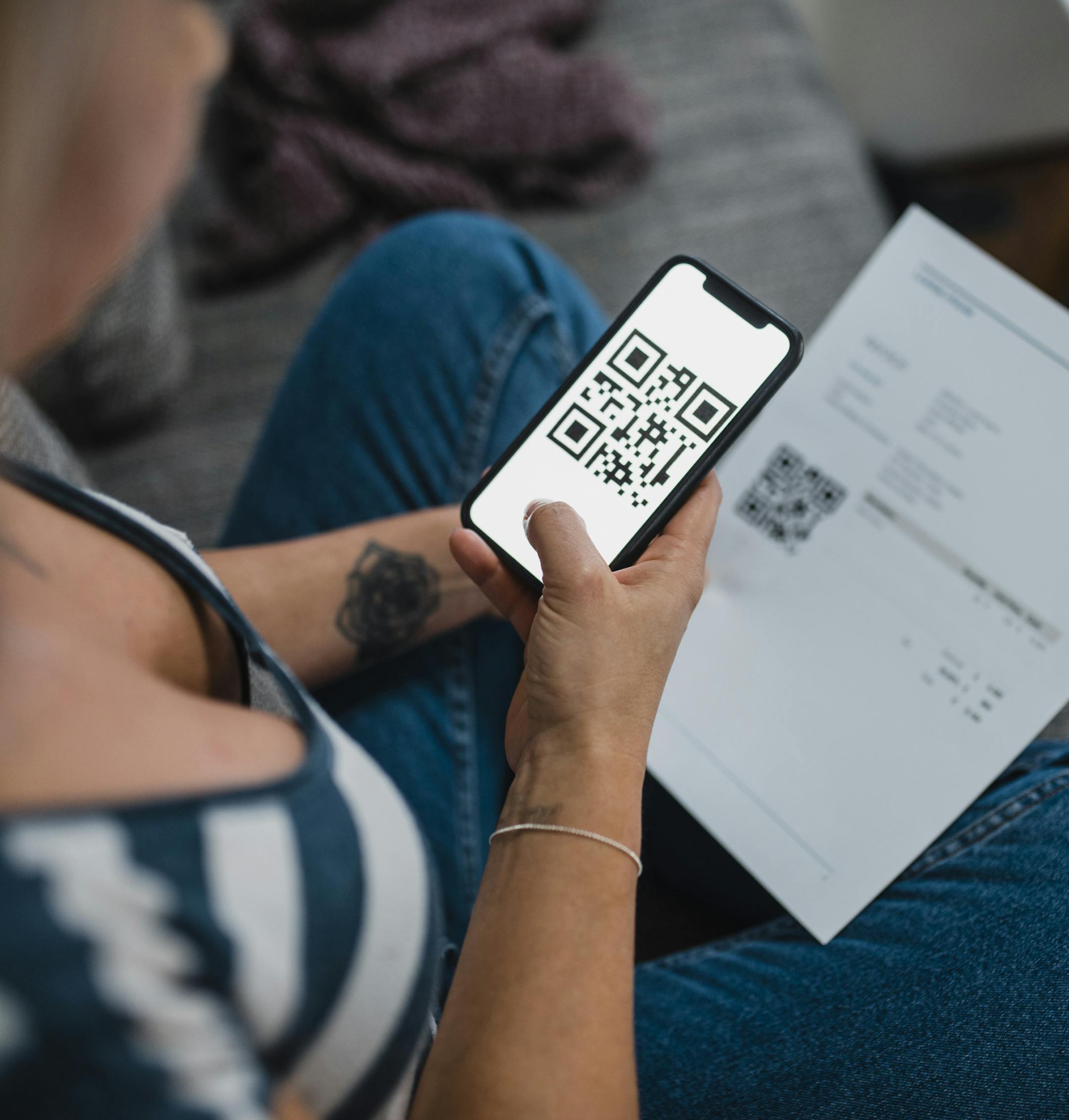
Receipts, like memories, tend to fade with time. That's just one reason to digitize and track tax-related information. The right apps and habits can save space, time, money and hassle — but only if you use them.
"The definition of a good app is what works for you, not the one that's the trendiest," said Clare Levison, a certified public accountant in Blacksburg, Va.
Apps don't have to be elaborate. The camera on your phone, for example, can capture receipts and other documentation. Levison recommends regularly transferring those images to a designated folder in your photo app to make them easier to find later.
Similarly, you can create folders in your e-mail account to collect tax-related documents. If you are an active investor, for example, you can put your trade confirmations there (or set up a filter so the confirmations are routed there automatically). If you purchase supplies for your business online, a folder can collect e-mailed receipts.
Another commonplace tool that can be helpful, especially for anyone claiming business expenses or mileage, is a calendar app. These records can help document meetings with clients, business travel and other potentially deductible events.
"The IRS auditor always asks for a copy of my calendar," said Leonard Wright, a San Diego CPA who has been audited four times.
You also need to regularly download monthly statements from your financial institutions, said Kelley C. Long, a CPA in Chicago.
If the IRS suspects you have underreported income, it may ask for bank and brokerage statements.



