Oct. 5, 1988, was a good day for Chile. In a plebiscite voters rejected a proposal by Augusto Pinochet, who had taken power 15 years before, to extend his dictatorial rule.
That led to free elections a year later and to more than two decades of strong economic growth, underpinned by pro-market policies, social reforms and, from the early 2000s, a commodity boom. The economy tripled in size and the poverty rate dropped from nearly 40 percent to less than 10 percent. Economists dubbed Chile "the tiger of Latin America."
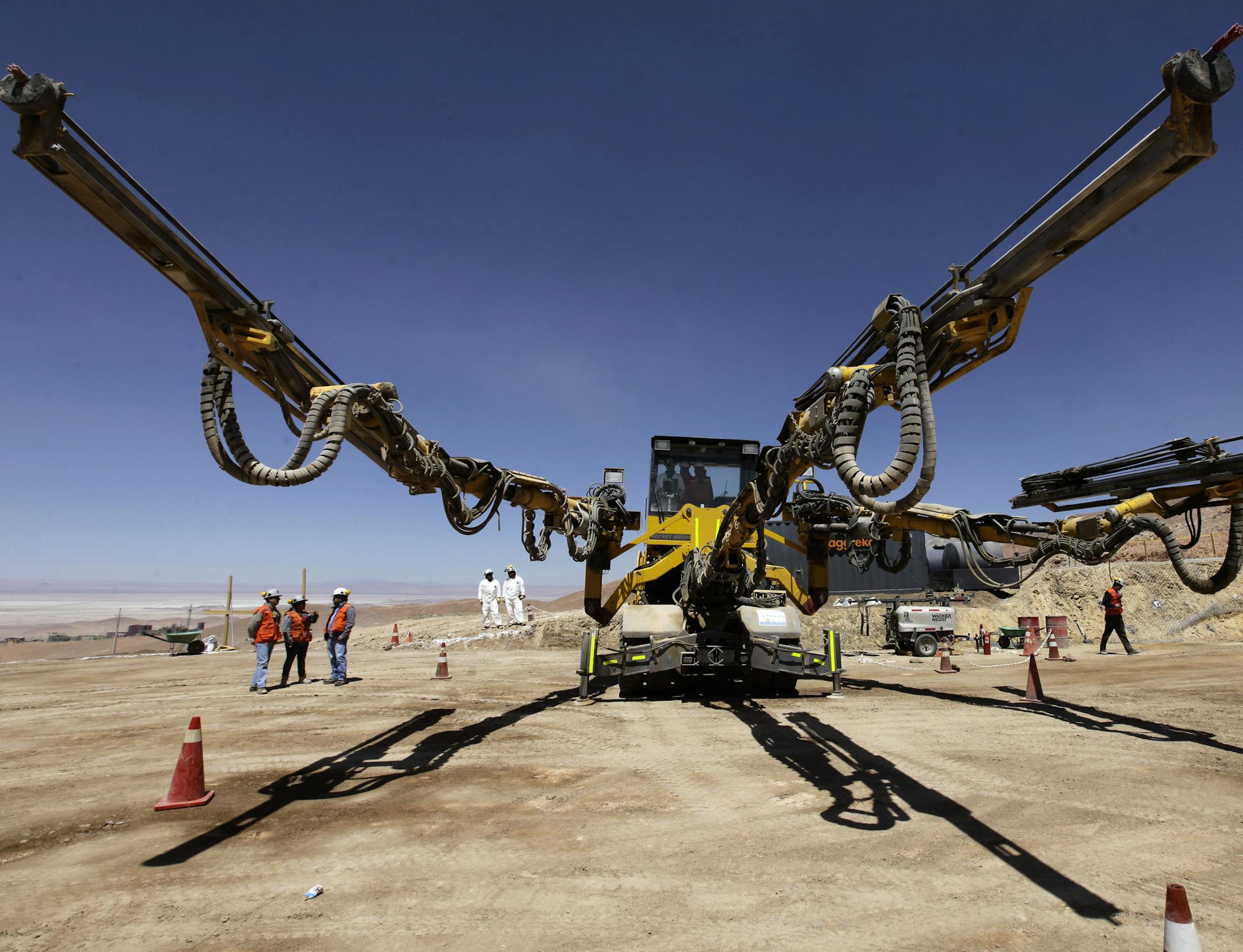
Recent years have been less tigerish. The price of copper, the biggest export, began falling sharply in 2014. Michelle Bachelet, the president from 2014 to 2018, rewrote the tax code, strengthened labor unions and proposed a new constitution. Her aim was to reduce inequality, but she also unnerved business. Investment contracted for four consecutive years. Economic growth dropped from an average of 5 percent in the post-Pinochet years to 1.7 percent in 2013-2017.
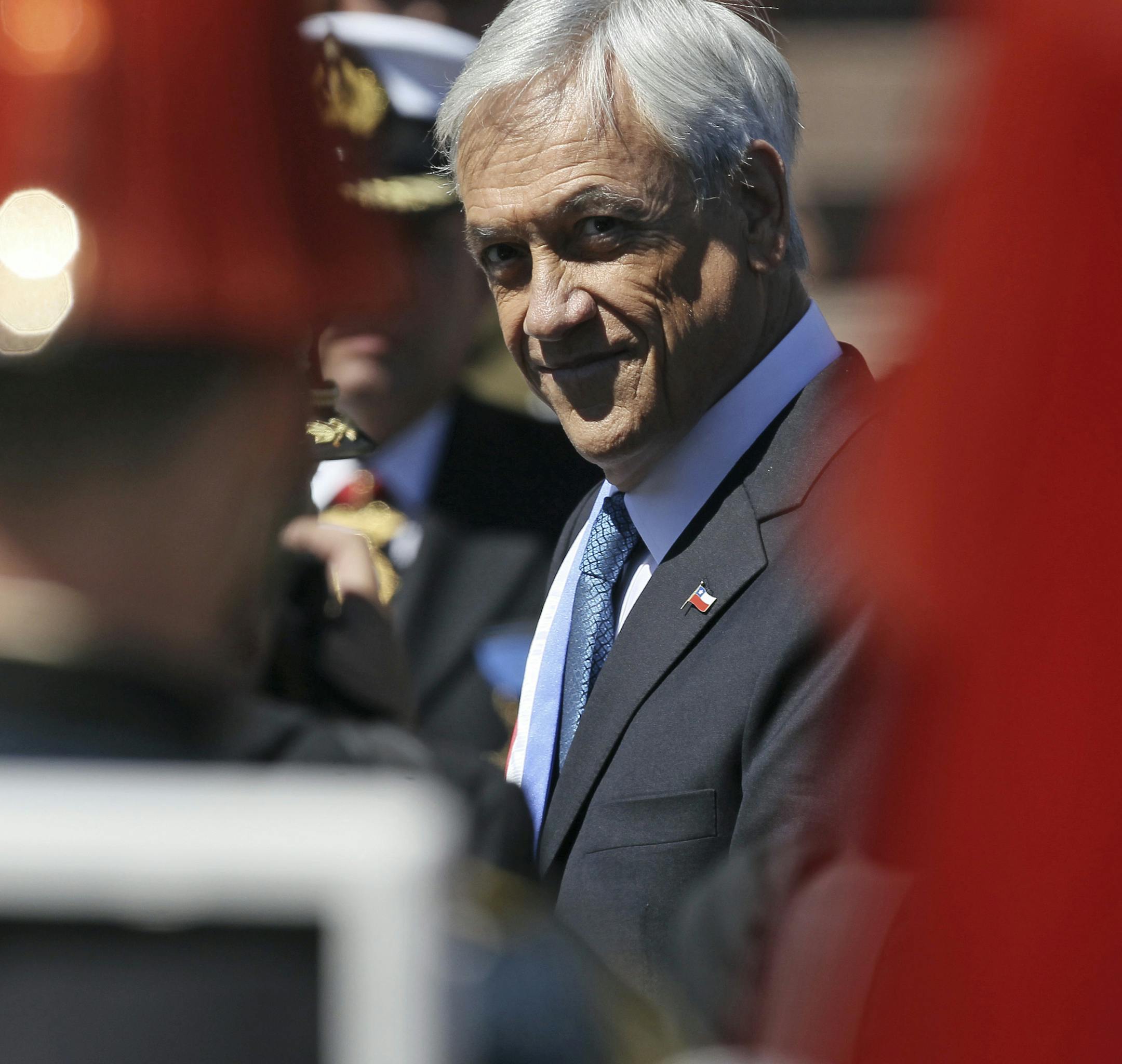
Under Sebastián Piñera, who took over from Bachelet in March, the economy has begun to purr again. GDP in the second quarter of this year was 5.3 percent higher than in the same quarter last year, the fastest rate of growth since his first term as president in 2010-2014. Investment grew at 7.1 percent. The central bank has raised its forecast for growth this year to 4-4.5 percent.
'Low and stagnant'
But this is not yet a return to glory days.
Growth has recovered partly because copper prices have. Potential growth — the economy's capacity to grow without inflationary pressure — is only around 3 percent.
In the past 15 months, the three big credit-rating agencies have downgraded Chile's sovereign debt. This has grown from 4.9 percent of GDP in 2008 to 23.5 percent in March this year. Although that is not high, the agencies fear growth will not be fast enough to justify Chile's strong credit ratings.
The workforce will shrink as the population ages unless more women, young people and immigrants join it. Productivity is "low and stagnant," according to the OECD, a club of mostly rich countries. This holds back potential growth. Chile's dream of becoming a fully developed economy thus looks elusive. Its biggest challenge "is to avoid falling into the middle-income trap" said Rodrigo Aravena, the chief economist of Banco de Chile, a commercial bank.