Pedro Pereira Almao is performing industrial magic in his lab at the University of Calgary.
Lines from a row of tanks feed two greenhouse gases, carbon dioxide and methane, into a chamber the size and shape of a wasp's nest. Less than a minute later, the other end spits out carbon fiber, a more valuable material that is used in cars, planes, golf clubs and other useful things.
Pereira said the process, developed with a doctoral student, Mina Zarabian, could turn power plants, steel mills, or anything that burns fossil fuels into clean, green moneymakers. Using waste gases to produce cheap fiber could give rise to new uses, such as ultra-strong plywood.
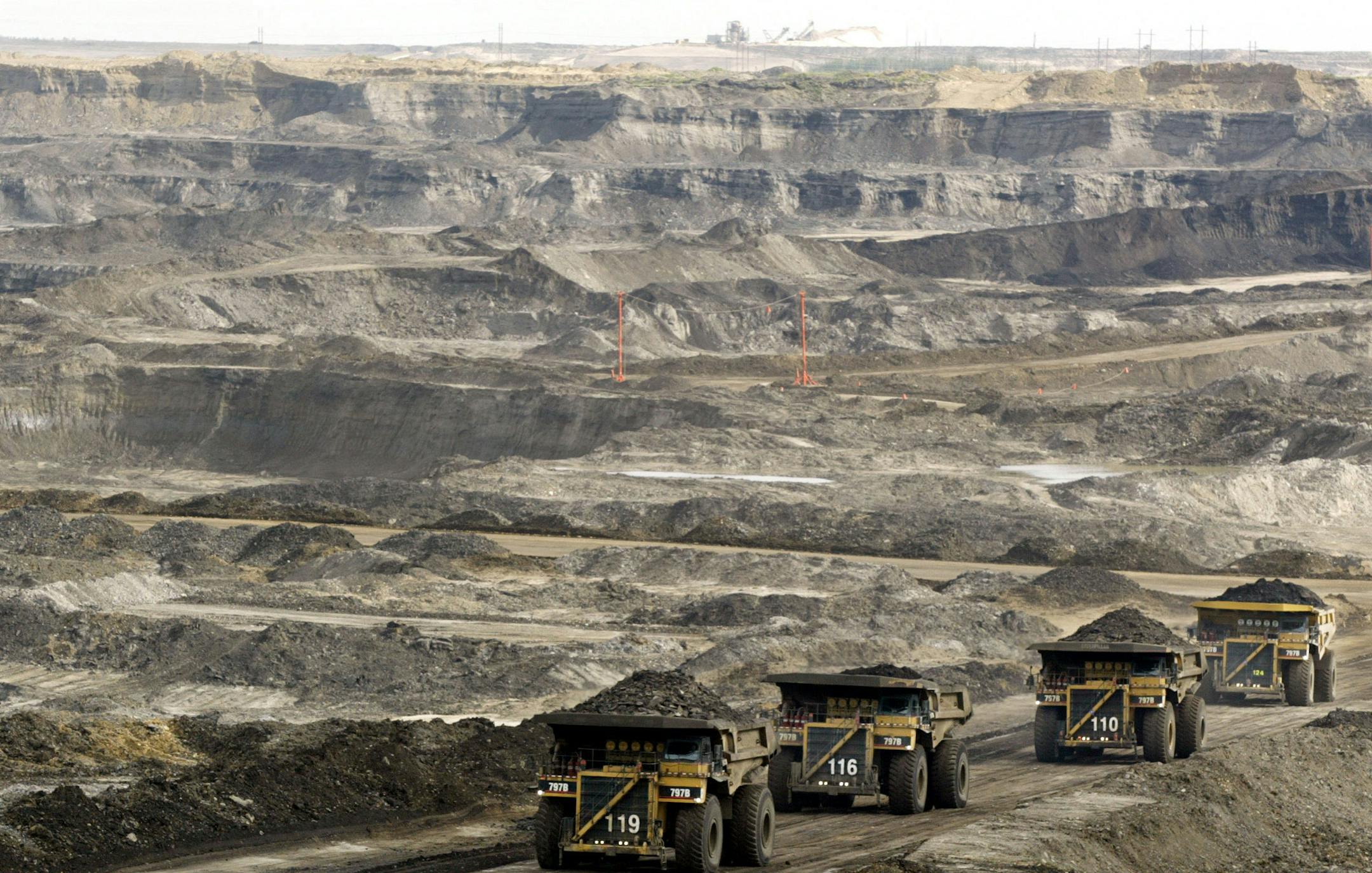
Pereira and Zarabian are not the only ones imagining a different future for Alberta, the Canadian province of which Calgary is the largest city. In another building on campus, Ian Gates and his team are turning sticky bitumen from the tar sands into pellets that can be transported in unheated railcars.
"Bitumen balls," which look like licorice sweets, could be refined into oil, Gates acknowledged, but there could be a much bigger market for their use in other carbon-based products. Bitumen Beyond Combustion, a government-funded program, is exploring what Alberta could do with the 165 billion barrels of oil in the tar sands other than burning it. Promising contenders include using bitumen to make carbon fibers for high-tech composites, vanadium for batteries and steel, and high-grade asphalt for roads.
Alberta produces 81 percent of Canada's oil and gas. It exports most of it. But it is going through a rough patch.
Prices for Western Canadian Select, the benchmark for its heavy crude, began a steep slide in July, caused by overproduction, refinery maintenance work and a lack of pipeline capacity.
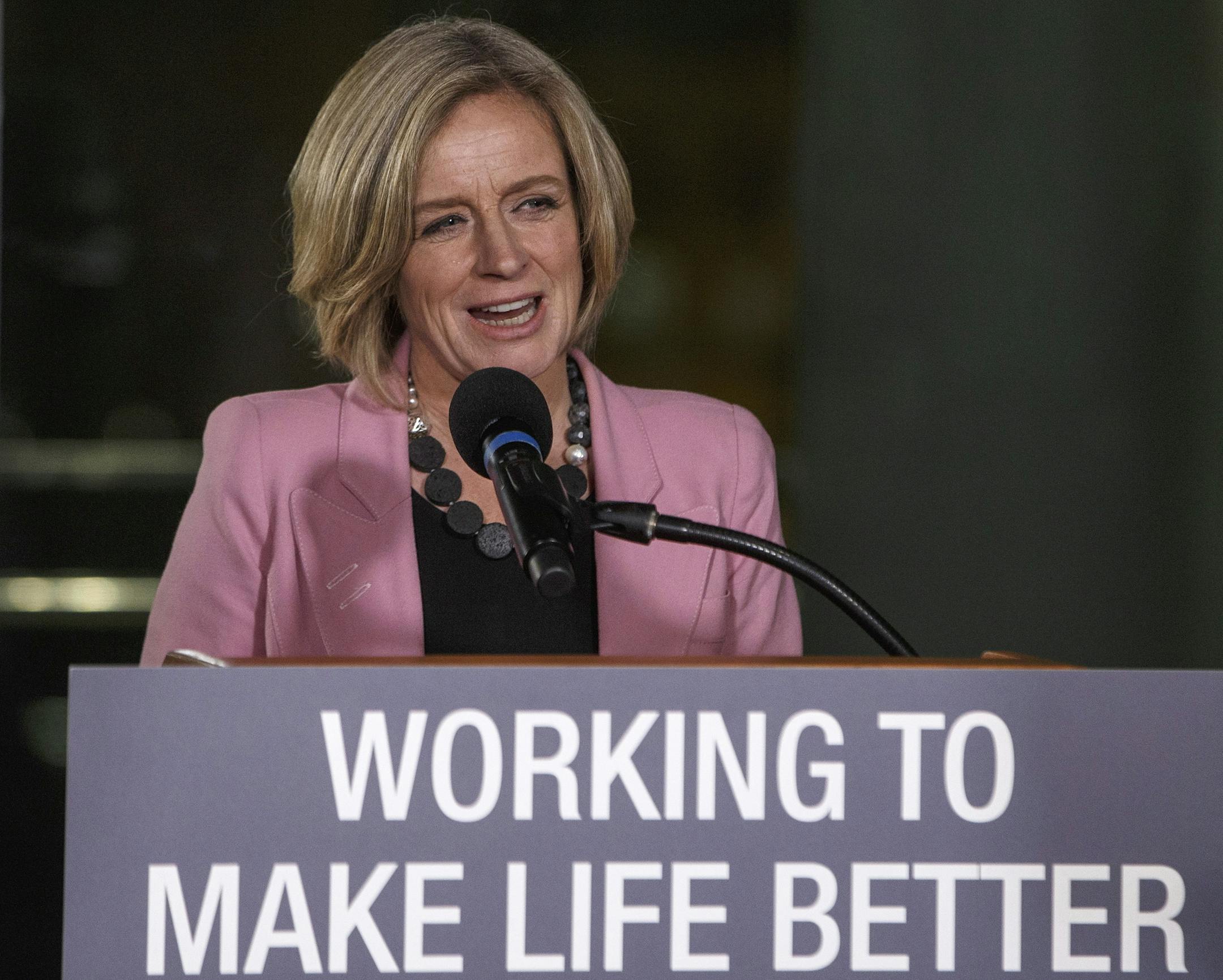
Nonetheless, Rachel Notley, who leads the province's left-leaning New Democratic Party (NDP) government, is doubling down on fossil fuel. She is demanding that the federal government speed up construction of a new pipeline to the West Coast. She wants a new refinery built, probably with government support. And she has said she will delay a promised cap on emissions from Alberta's tar sands. Notley dismisses as fantasy the idea that other industries could one day take the place of oil. "Back home we ride horses, not unicorns," she recently said.