

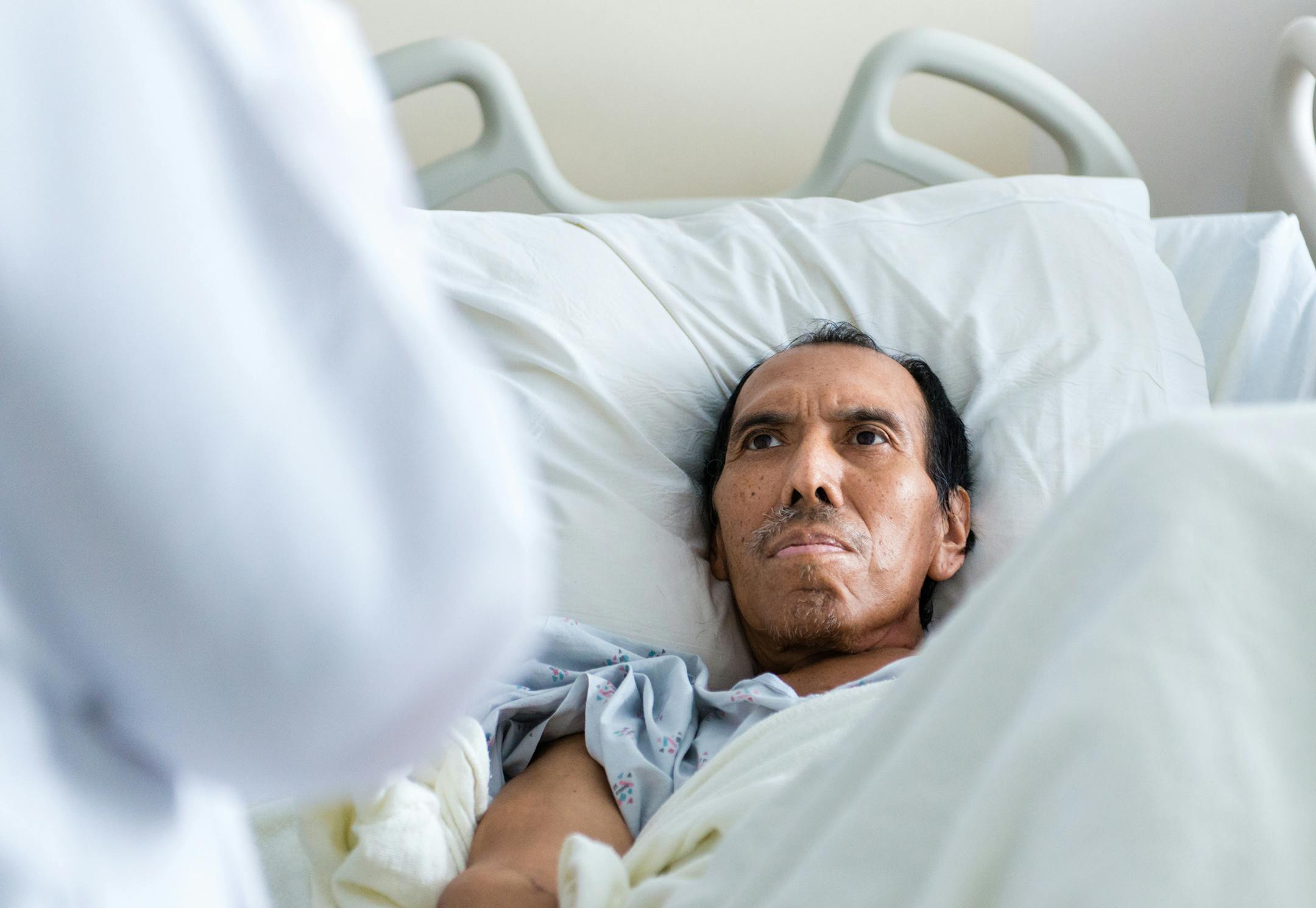
LOS ANGELES – More times than she can count, Dr. Carin van Zyl has heard terminally ill patients beg to die. They tell her they can't handle the pain, that the nausea is unbearable and the anxiety overwhelming.
If she were in the same situation, she, too, would want life-ending medication, even though she doubts she would ever take it. "I would want an escape hatch," she said.
This fall, California became the fifth — and largest — state to allow physicians to prescribe lethal medications to certain patients who ask for it.
Yet van Zyl can't see herself as one of those doctors.
"This is my life's work, to relieve suffering," said van Zyl, head of palliative care medicine at Los Angeles County-USC Medical Center. To her, that does not mean cutting short a life.
"I can't imagine pulling the trigger," she said.
Weeks after California Gov. Jerry Brown signed the "end-of-life option act" into law, palliative care physicians like van Zyl are trying to come to terms with what it means for them and their terminally ill patients.
It's not just a question of whether they support aid-in-dying or personally would ever help end a life. Palliative care doctors say the law underscores the need to raise awareness among doctors and patients about what they do and to expand access to high-quality programs.


