Business Review from the Economist
New iPhone counts on facial recognition
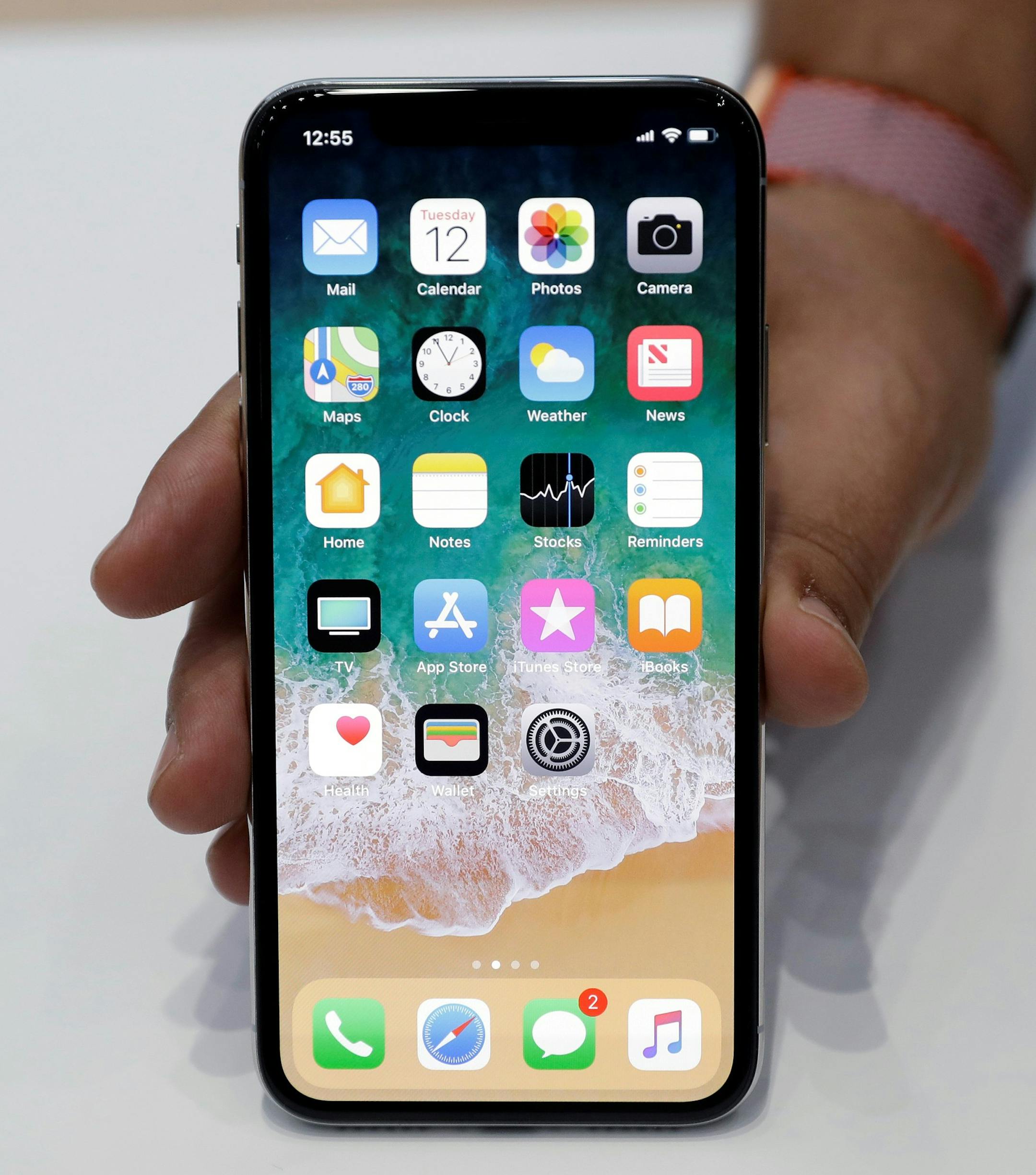
Apple unveiled the iPhone X, a "super-premium" phone that will be priced from $999 in the United States. The X has no familiar home button at the bottom of the device; a user will need to swipe upward to return to the home screen. The Touch ID feature that enabled users to activate a phone with their fingerprint has gone. Instead, the X allows access by recognizing its owner's face. Facial recognition is controversial, and may prove awkward for those shopping with Apple Pay, who will have to wave the device in front of their face to confirm a purchase.
The Trump administration released its first guidance on the future of autonomous vehicles. The document, "Vision for Safety 2.0," focuses on the benefits of driverless technology and calls for the lightest possible regulatory touch in testing the technology.
Google lodged an appeal against the European Commission's decision to fine it €2.4 billion ($2.7 billion) for promoting its shopping service over similar search results from its rivals.
The total amount of bad debt held by Italian banks fell by 10 percent in July to €174 billion ($200 billion), the biggest monthly decrease since figures started to be compiled in 1998. Most of the drop is explained by UniCredit, Italy's biggest bank, selling off its portfolio of toxic loans.
The Japanese government announced that it will sell shares in Japan Post later this month, in an offering that could fetch up to $12 billion. Japan Post's IPO in 2015 raised funds that were put toward the continuing reconstruction efforts after the earthquake and tsunami of 2011.
Inflation in China rose to 1.8 percent year on year in August, a seven-month high, mostly because of more expensive commodity prices. But the price of pork, which worried the government when it surged last year because of its effect on the many households for which the meat is a staple food, fell again, by 13.4 percent.
Britain's headline year-on-year inflation rate hit 2.9 percent in August, matching the four-year high recorded in May. With average earnings increases running at 2.1 percent, wages are losing ground against rising prices. Public-sector workers have been hit hardest, given a 1 percent cap on salary increases. The government signaled its intent this week to scrap the cap for the police and prison staff, and possibly for other employees.
Median household income in the U.S. grew for the second consecutive year in 2016, to $59,039. But over the previous decade the poorest fifth of households saw their incomes decline by an average of $430, while the richest fifth saw theirs rise by $19,500. The poverty rate fell to 12.7 percent, the lowest since before the financial crisis.