

Global business
Taiwan applied to join the new Asian Infrastructure Investment Bank, a rival to the World Bank that has been devised and will be unofficially led by China. More than 40 countries, including Britain, Germany and Russia, have signed up to the AIIB, despite American misgivings about its openness and creditworthiness.
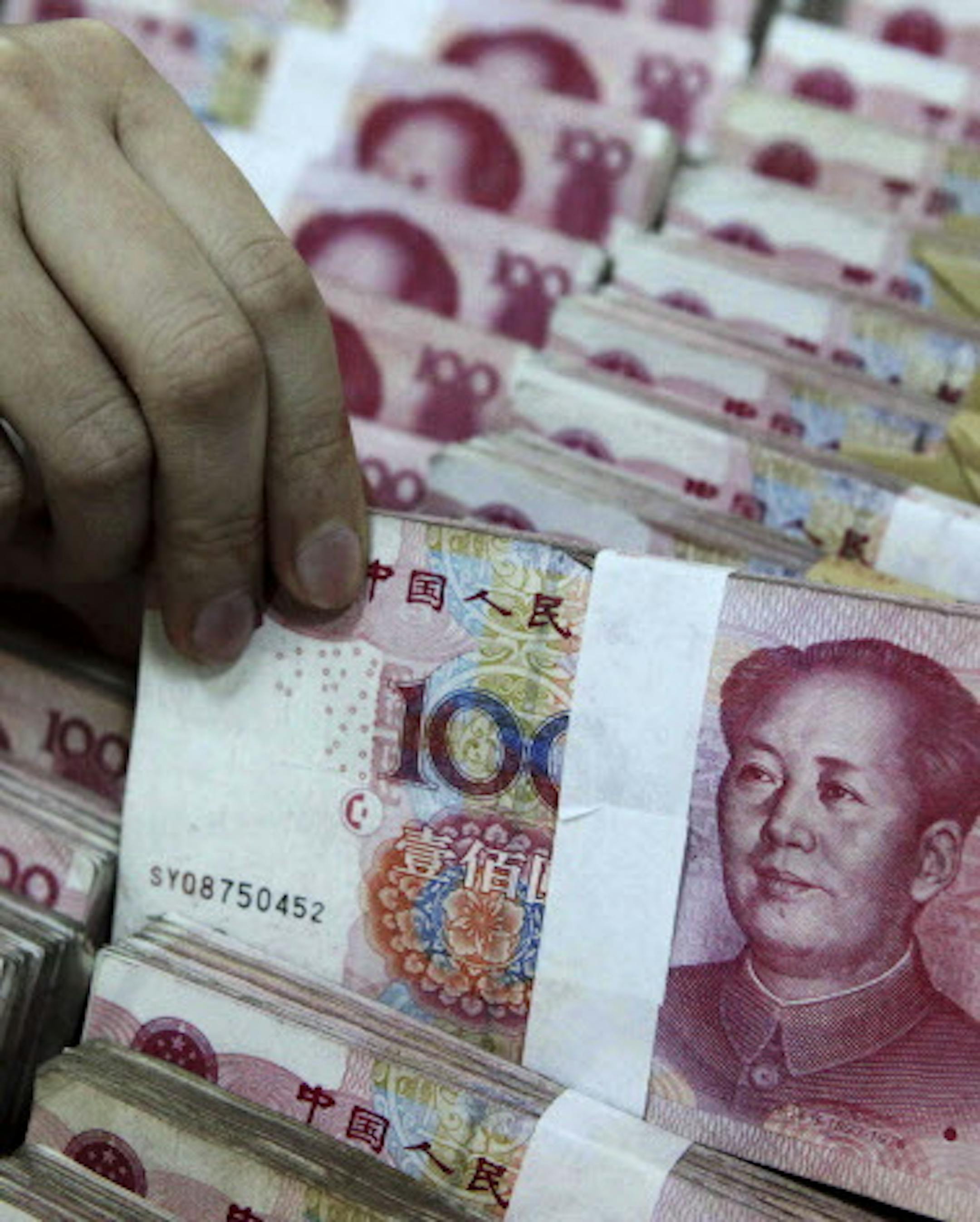
After some delay, China announced it would implement a deposit-insurance scheme starting on May 1. By setting limits to the protection of savers, this is an important advance in the government's promise to liberalize the financial system and encourage competition among banks. The scheme will insure bank deposits of up to $81,000, which should cover up to 98 percent of accounts.
The Bank of England published the criteria for this year's stress tests of seven big banks, which must demonstrate that they have adequate capital to withstand hypothetical economic shocks. The new tests place less emphasis on how the banks would respond to an economic meltdown in Britain and more on global risks.
Charter Communications announced a takeover of Bright House Networks for $10.4 billion. Charter will be America's second-biggest cable operator after the deal closes.
The corruption scandal that has engulfed Petrobras, Brazil's state-controlled oil giant, continued to reverberate, as OAS, a Brazilian conglomerate, sought bankruptcy protection for nine of its businesses. After police raided its headquarters last year as part of the investigation into Petrobras, OAS struggled to refinance its debt and raise capital. Investigators also revealed a new scandal involving a corporate-tax agency that may be even bigger than the one at Petrobras.
The legal battle between Hewlett-Packard and former executives at Autonomy rumbled on. HP alleges that Autonomy provided it with misleading accounts ahead of an ill-fated $11.1 billion takeover in 2011. For the first time HP directly sued Mike Lynch, Autonomy's founder, and Sushovan Hussain, its former chief financial officer, seeking $5 billion in damages. Lynch said he would countersue.
Political economy
Japan recorded zero inflation in February, according to a key measure from the Bank of Japan that excludes last year's increase in the sales tax (overall consumer prices rose by 2 percent from the same month last year). The news raised fears that Japan may slip back into deflation.
Consumer prices in the eurozone fell by 0.1 percent in March from a year earlier. It was the currency bloc's fourth consecutive month of deflation, though it was an improvement on February's inflation rate of minus 0.3 percent.


