Business review from the Economist
Zuckerberg adopts nationalist tone
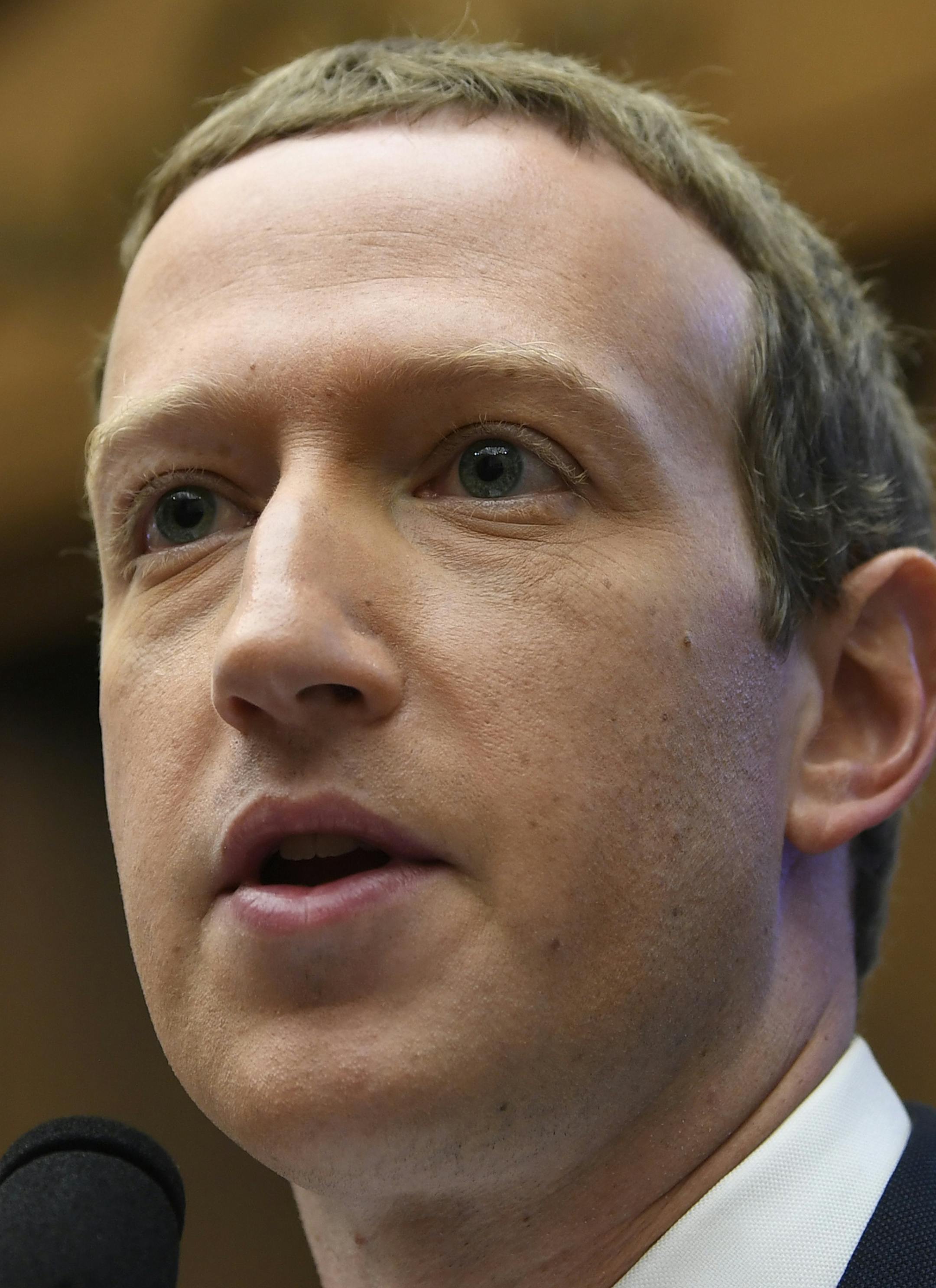
Mark Zuckerberg was grilled in Congress about Libra, a global digital currency that Facebook hopes to launch next year but which faces mounting regulatory hurdles, causing some of its biggest backers to walk away. Zuckerberg argued that Libra will advance financial innovation, and extend America's "democratic values." But with Democrats calling for the break up of big tech companies, Facebook has spent the most of any firm this year on lobbying Capitol Hill, just ahead of Amazon.
SoftBank proposed a rescue deal for WeWork, an office-rental startup that delayed its IPO amid investor concerns about its true worth. The offer from the Japanese tech conglomerate increases its stake and values WeWork at around $8 billion, far below an estimate of $47 billion earlier this year. Adam Neumann, WeWork's boss, who has been blamed for the reversal of fortunes, could gain as much as $1.7 billion from the deal.
Four U.S. state attorneys general outlined a $48 billion proposal to settle thousands of claims against five companies involved in the opioid crisis and urged fellow litigants to accept the deal. As part of the agreement two drugmakers and three drug distributors would pay $22 billion in cash and $26 billion in kind for treating opioid addiction over the next decade.
Biogen's share price soared by 25% when it reversed course and said it would now seek regulatory approval for a new treatment for Alzheimer's disease that it had stopped testing. The biotech company said the results from a wider analysis of tests showed that patients "experienced significant benefits."
China's economy expanded by 6% in the third quarter compared with the same three months in 2018, the slowest rate of growth in 30 years.
A lawsuit brought by New York state's attorney general claiming that ExxonMobil engaged in dodgy climate-change accounting opened in court.
Saudi Aramco was said to have delayed the launch of its long-awaited IPO because of unfavorable market conditions and lower expectations among investors of its stock market value. Its third quarter earnings may shed more light.
An annual survey of global wealth from Credit Suisse found that the bottom half of adults account for less than 1% of total wealth, while the top 1% own 45%. However, that figure has dipped a bit from 2000. The report suggests that global wealth inequality may have peaked in 2016.